Iona Roisin, 2022, Triangle New York
Between times, places, people

An interview by Athanasía Aarniosuo
Photos provided by the artist

AA: You spent several months at Triangle in New York. Had you immersed yourself in New York before or was it a new environment for you? Was it easy to form a relationship with the city?

IR: No, I had never been to America at all! In some ways it was easy to connect, but it took me a long time to settle into a rhythm, after getting so used to the slowness and ease of Helsinki. I had some kind of relationship to the city from afar, like many of us do I suppose, full of fantasies about sauntering around and being super awake to the world around me, which did happen sometimes but I don’t know if that can be a full-time state. It was kind of difficult to match the reality to my expectations, in fantasies you aren’t tired, or shy, or lost, or broke, or uninspired. I definitely felt this pressure to constantly be ‘out there’, both from myself and from the pace of life there in general.

This was my first time also being granted such a residency, so I also felt some pressure to maximise my time because I was afforded this enormous opportunity, and so to do anything other than be super productive would be… disrespectful? Wasteful? That’s a very mercenary way to view time (and artistic practice) and isn’t really my personal belief, but I think the city brought up something in me that’s usually just simmering away in the background, and isn’t so present in Helsinki.
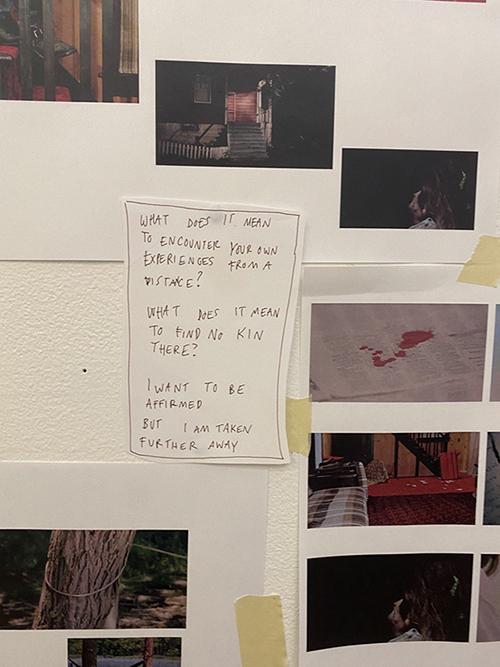
Muistiinpanoja valkoisella paperilla

Rape revenge studio notes.

Sometimes I forget how much creative work alternates between periods of going inwards and then periods of going outwards. This time I found myself hovering between the two, which was a strange space to be in.

So I tried to adjust my expectations based on my capacity, and to rethink what my relationship to the city could be, as well as what a ‘successful’ residency period is. I could have happily spent the whole three months just riding the bus around, letting things come and go, thinking, and being content. But even with the things I found challenging I’m ready to go back!

AA: What did you bring back from New York? Have any ideas, first conceived at Triangle, developed into finished works or exhibitions?

IR: Yes! I had proposed to work on one project about Rape Revenge cinema, but because of covid rescheduling my residency period twice I ended up working on several different things at once.

It was challenging to work on this Rape Revenge project in the context of a residency where there’s a lot contact and meetings etc, I had to introduce the project and the context multiple times, which is normal, but because of the personal nature of the project I felt myself having to detach a bit in order to move in and out of that space. I hadn’t considered that aspect of a project like this at a residency like Triangle, which is perhaps good to know, all my previous residencies were much more solitary. This project is (still) a work in progress, but I got some good insight and support about the ways in which I can develop it further, which has been ticking away in the back of my mind while I’ve been working on other things.

I attended a few poetry classes which were super generative and exciting. I drafted some poems more related to the experience of being in America, or what being there brought up for me, like the swirl of new places and old memories that travelling brings, one of which was published in Propel Magazine recently. It was really nice to have a specific forum to reflect on the experience of being in New York, considering that wasn’t a part of my art projects.

And then I ended up needing to work a great deal on another in-progress video work An Uncountable Number of Threads which was due to be exhibited in Lappeenranta Taidemuseo a month after I returned.
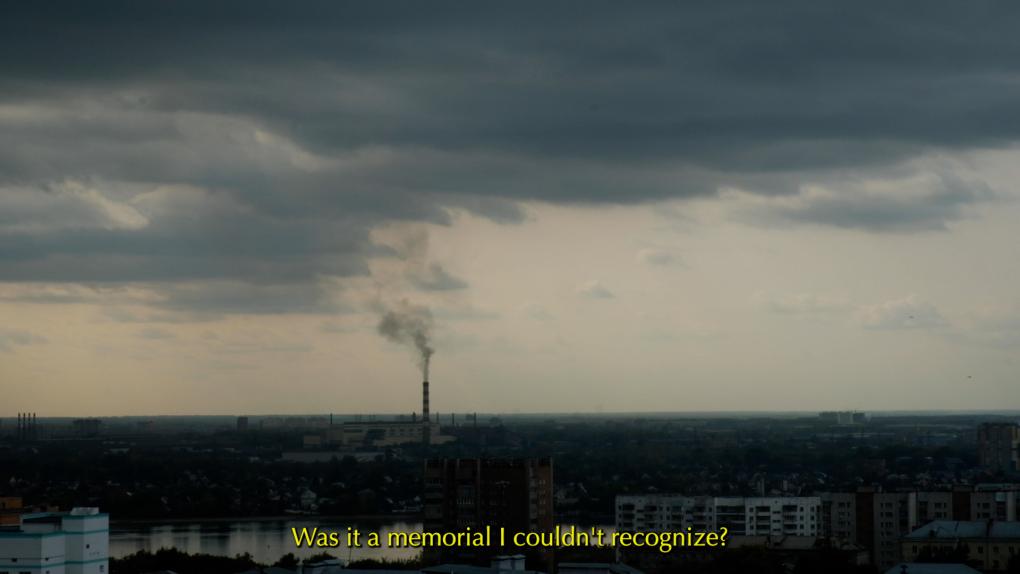
Maisemasilhuetti, jossa taivaanrannassa näkyy tehtaanpiippu.

Still from An Uncountable Number of Threads (2023).

The work is a sort of travel film, or a video work about travel films, that questions itself. It’s made from footage I shot while travelling on group excursions with HIAP’s Connecting Points project, facilitated by Arttu Merimaa and Miina Hujala. In the work I was trying to engage with the ethical restrictions of a travelogue, while working with the material I gathered travelling. It was quite strange to revisit this work in America, tapping into this feeling of being an outsider, and of being small that I felt in both places, countries that are both huge and imperialist, with too many strange echoes to list here. And even though finishing off this piece at Triangle wasn’t what I intended, in the end the location really contributed to my thinking and writing for the project. Hopefully I will show this video in Helsinki soon too. Which leads nicely into your next question!
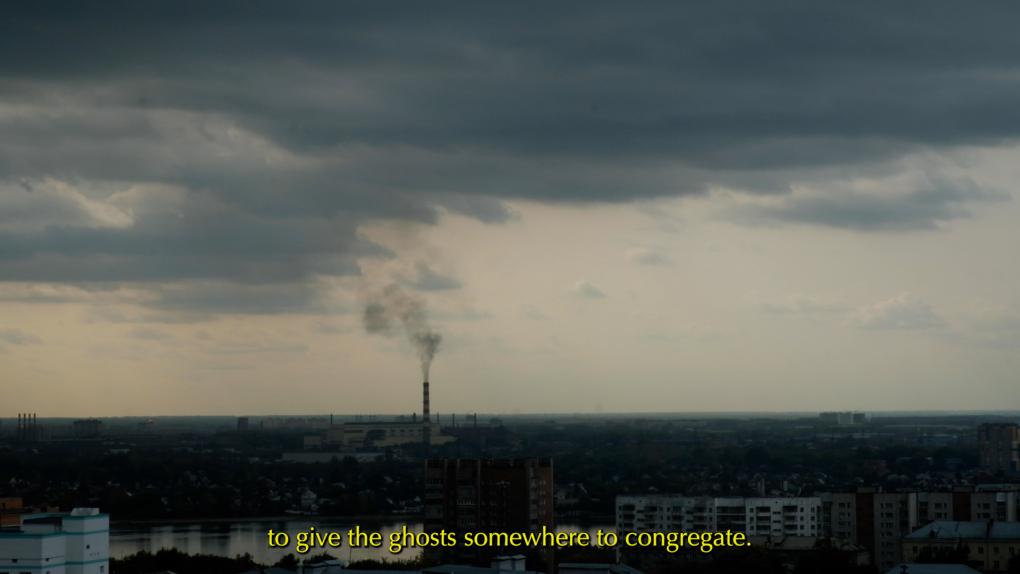
Maisemasilhuetti, jossa taivaanrannassa näkyy tehtaanpiippu.

Still from An Uncountable Number of Threads (2023).

AA: You have, in your previous work, made travel films and tried to share your connections to places. The results are often very intimate and gentle. Do you feel that the places you are describing are collaborators in your practice?

IR: Thank you! Hmm perhaps I’m more at the other end of the spectrum, a bit suspicious of myself, often I feel more like I’m co-opting a place against its will, I feel nervous and aware of making sure it’s obvious that I’m filtering everything through me rather than trying to ‘be objective’ about a place, or define it. I feel like this lack of neutrality has to be a part of my works, at least at this stage in my practice.

Somehow in writing it feels a bit easier to work with places than in video. Perhaps it’s that writing feels more indirect, or closer to me, or just that there’s not the whole issue of the camera being involved. But I imagine when working with a place that you are from or that you live in for a longer time it feels more collaborative, like working with a friend, or a family member you feel indifferent to, but most of the time for me I feel like a guest.

The way being elsewhere changes time interests me too, I think some of the best poems I have written have been while away somewhere, I guess I enjoy how the newness of a context can interweave with all the baggage you bring with you, and how new things prompt you to regard your own things in a surprising way. Now I’m thinking of places as like a therapist or analyst rather than a collaborator hmm…

But I would be very interested to think more about ‘tourism’ in future projects, and to not try to maintain this distance between a ‘travelling artist’ and a tourist, as we rely so much on the same structures and industries. I began to scratch at this in ‘An Uncountable Number of Threads’ but there’s much more to get into. In my family my parents spent their pre-parent years travelling around together for long periods of time on a shoestring, and it is a big part of their identity, perhaps even one of the biggest parts. I have felt critical of this over the years, but as I age I feel more able to step back and be curious about what that means for them and people like them.

AA: In your work, how do your words and images meet?

IR: Hmm tricky! It’s something I do so unthinkingly, or rather what comes most naturally to me. When I was younger I used to draw primarily, all images and text mixed together. At some point in my arts education this got ironed out of me, but my compulsion to always pair some kind of image with text stayed.

If I sit down to make something specific, usually words (language, phrases, voice, song) come first, images I collect as I travel around or remember to bring my camera out but I would like to become more intentional and consistent with this, and someday have a footage archive that I can pull from often.
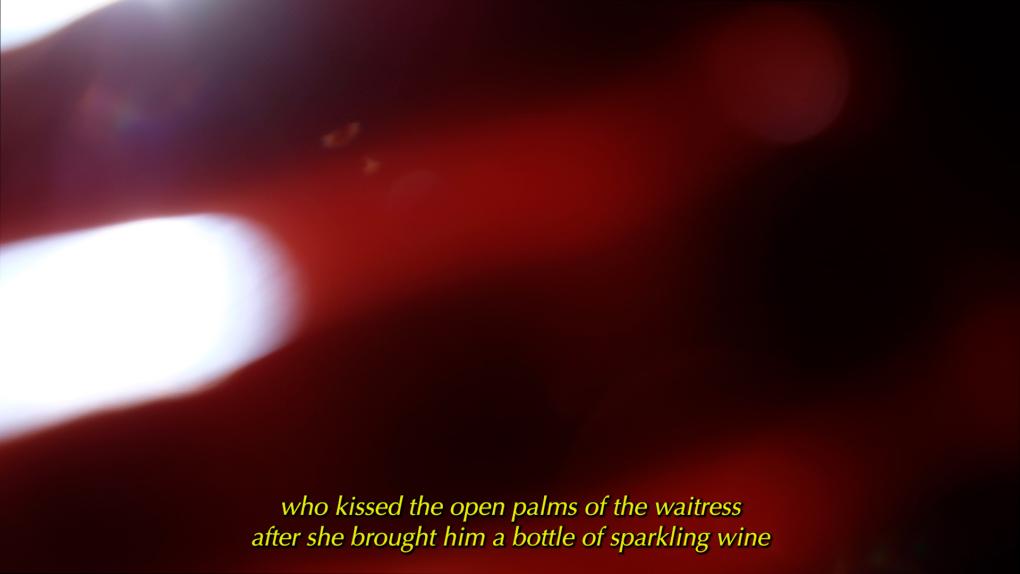
Punainen stillkuva videosta, alareunassa tekstiä.

Still from An Uncountable Number of Threads (2023).

In general I don’t find myself to be a very image-oriented person, in how I think or how I imagine, even if my writing depends a lot on images. I have a hard time making an image just for the sake of it, which is sad, and I think when I’m shooting out and about I’m attracted to the feeling of the place mostly. But yeah I really think this is something that my BA in the UK affected, and how arts education there seemed to discourage this urge to make for pleasure or to just follow the thread of an interest. I got this impression that everything needs to have a reason from the very first moment, and that meaning can only come from that. I don’t agree with this and would really like to shed this idea but it takes time. Probably I rely so heavily on words because of this, and I learnt to shape and affect meaning and feeling in writing in a way that never felt so fluent in image.
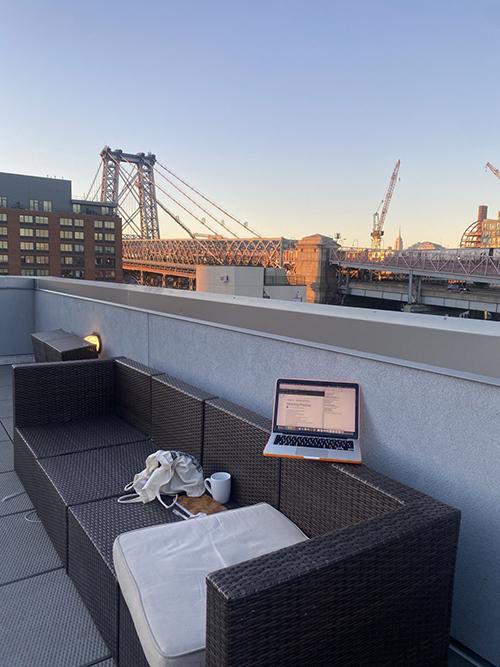
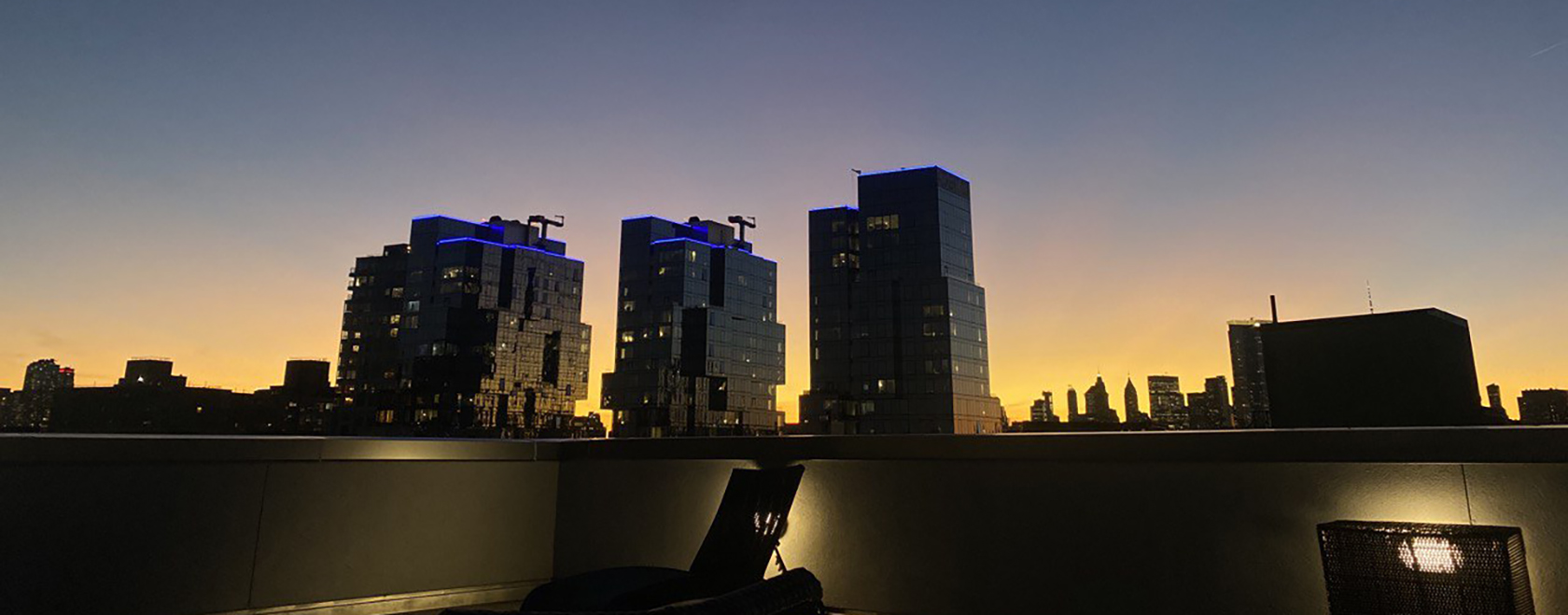
A rooftop view in New York City.

Writing on the roof and waiting for moonrise in NYC.

Sometimes it feels like a hard thing to reconcile with when I want to make moving image, how to not make the visual an afterthought, or is it ok for the image to be subservient to the other elements?  Anyway they inform each other, in mood, in atmosphere, and I hope that in the things I make now the image and the text help each other to unfold.
 

AA: Some of your past works have a very sensitive, almost quiet way of addressing memory, personal experiences and the need to share them with others. Do you feel that there is a relationship between nostalgia and connecting?

IR: I find nostalgia as a quality or tactic very interesting and often alluring, but I’m also wary, considering the ways we see it weaponised at this moment in time. It’s curious to me how nostalgia relies on its relationship to history, but is not really rooted in the past, and often has such a narrow perspective. Of course personal nostalgia is different from cultural nostalgia but in either case, it needs to be detached from its origin somehow. So the relationship between nostalgia and connection seems to me like a sort of shortcut to feeling.

In the project I worked on with Connecting Points, where we made excursions across Russia and Eastern Finland, nostalgia became something I used as an access point into cultures and countries that I am ignorant of and can never deeply know. Engaging with the nostalgic elements of a culture, e.g. music, style, cartoon characters, movies, kitsch etc. feels possible, because there’s so much one can recognise from one’s own individual world of nostalgia. So in this context nostalgia functioning as a bridge was helpful.

It feels complicated to intentionally use nostalgic elements in my work or to make work about it. I would want to be more self-aware than I am, even if I have a relationship to the subject by virtue of being a person in the world. And in terms of work that draws more from my own life, I think nostalgia is there mainly in relation to my distrust of memory. Even if it’s not a thing to be read like a record, its selectiveness is troubling to me. For so many years when I was working more actively with trauma, and trauma-time, working with memory was unavoidable. These days it seems to be less about purging, and more about unearthing the connective tissue between times, places, people.

ionaroisin.com

The Residency Programme

Finnish Cultural Foundation’s residency programme is maintained and developed in collaboration with HIAP – Helsinki International Artist Programme.
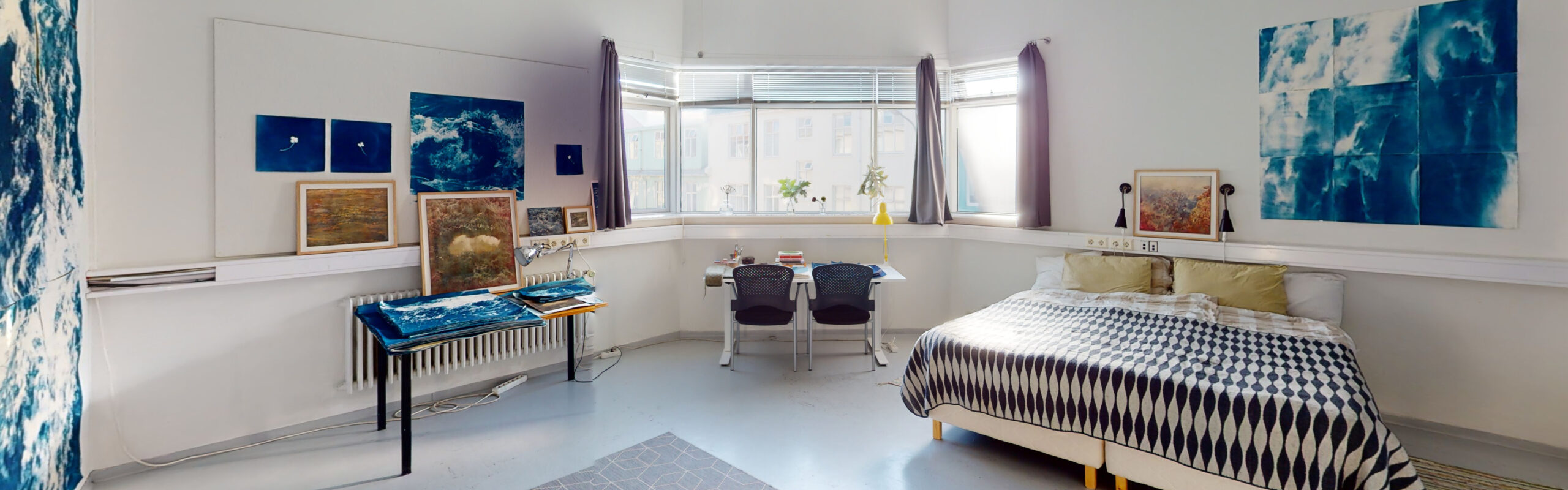
The Cultural Foundation’s Residency Programme Is Expanding

The Cultural Foundation’s residency programme has been operating in its current form since 2017. For the year 2024, residency positions will be offered in nine destinations around the world. One of these is specifically intended for writers and one for performing arts working groups, and the remaining seven destinations are open to artists in visual arts and various other fields, some also for collaborative work. HIAP – Helsinki International Artist Programme works as a partner in the planning of the programme.

Three New Residency Destinations in Europe

For the first time, the residency programme includes a five-month residency at Morpho located in Antwerp, Belgium. At Morpho, both Belgian and international artists receive long-term curatorial and practical support for the development of their artistic work or project.

“The residency at Morpho is an outstanding opportunity for Finnish artists, because its location on the border of two diverse cultural areas, Belgium and the Netherlands, creates connections to both. There is a huge number of diverse contemporary art organizations in the region, which also operate internationally,” describes Laura Boxberg, director of the Finnish Institute Benelux.

Another new destination with emphasis on visual arts, the Sím residency in Reykjavik, Iceland, invests in curatorial support. It is an artist residency run by the Association of Icelandic Visual Artists (SÍM), which annually receives over 200 artists from around the world. The mentoring program created especially for the Cultural Foundation’s grant recipients offers each resident artist individual support from a local curator/mentor.

In addition to these, a new destination for performing arts working groups is opening for application in Tallinn, in cooperation with Kanuti Gildi SAAL. Founded mainly by freelance artists and located in the heart of Tallinn’s old town, Kanuti Gildi SAAL is a contemporary art centre that organizes festivals and residencies. You can apply for the residency with a working group of 2-6 people for a residency period of 2-3 weeks.

“It’s wonderful that the residency program is working again in its full scope after these exceptional years, and we can offer artists new, fascinating residency destinations. About 75 residencies have already been organized through the programme, the impact of which can be seen in many ways in the work of the artists”, delights Special Advisor Johanna Ruohonen.

“The purpose is to continue developing the programme, and, in order to enable the opening of new destinations, we have to let go of some destinations as well. This year ended the collaboration with the Korean SeMA Nanji, one of the first residencies to be offered in the programme,” tells Ruohonen.

Residencies Open for Application for 2024

In the August 2023 application round, the following residencies are open for 2024:

  • AIT, Tokyo, Japan, visual arts / other fields
  • Fabrikken, Copenhagen, Danmark, visual arts / other fields
  • Filba, Buenos Aires, Argentina, literature
  • Kanuti Gildi SAAL, Tallinn, Estonia, performing arts / other fields
  • Morpho, Antwerpen, Belgium, visual arts / other fields
  • NART, Narva, Viro, visual arts / other fields
  • SÍM, Reykjavik, Iceland, visual arts / other fields
  • TOKAS, Tokyo, Japan, visual arts / other fields
  • Triangle, New York, United States, visual arts / other fields

The amount of the working grant for three-month residencies is 7,500 euros/person in total and for five-month residencies (Morpho) 12,500 euros/person. In short-term residencies (Kanuti Gildi SAAL), the amount of the grant is 650 euros/week/person.

The amount of the travel grant depends on the chosen mode of travel. For air travel, the grant is 500 euros for destinations in Europe and 1,000 euros for other destinations. In order to encourage a more climate-friendly way of travelling, destinations accessible by rail and ferry services are given a supplementary travel grant provided the trip is made without flying but through use of public transport. In the case of a residency in Estonia, the travel grant is a maximum of 300 euros, regardless of the mode of travel.

The Finnish Cultural Foundation’s August application period is 10–31 August 2023. The application round closes at 4 pm (EET) on the last application day. See detailed application guidelines here.

Unique heart research

Text: Essi Kähkönen

Heart attack patients receive good care in Finland. They get to the hospital quickly, the blocked coronary artery is opened, and they get the medication they need and thorough follow-up. When they also manage to improve their lifestyle, everything is fine, isn’t it?

Not necessarily. It’s crucial and life-saving to open the coronary artery, but this can also cause problems. Blood clot breakdown medication (lysis) through a catheter, artery dilation, and stent insertion to keep the artery open can all damage the coronary artery.

“In connection with the treatment, a strong inflammatory reaction transmitted by white blood cells starts that further increases the cardiac muscle damages caused by the artery blockage. In the worst case, opening the blockage can lead to heart insufficiency”, explains Professor Seppo Ylä-Herttuala from the University of Eastern Finland.

Gene therapy for heart diseases on the way

Hymyilevä silmälasipäinen mies seisoo käytävällä, taustalla ikkunoista tehty seinä.

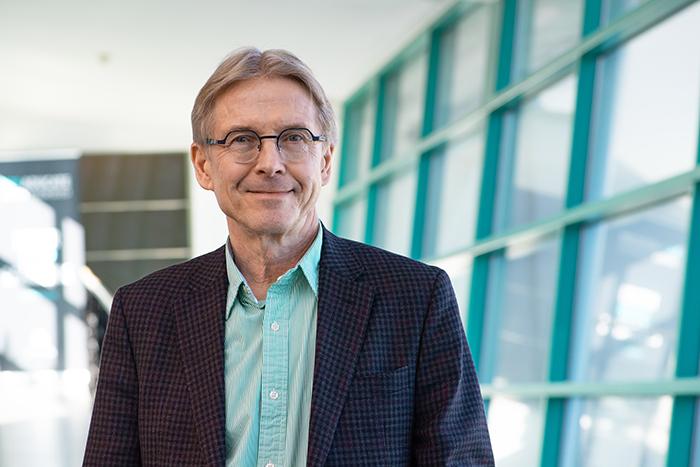
Professor Seppo Ylä-Herttuala. Photo: University of Eastern Finland

Ylä-Herttuala’s research group received a grant of €200,000 from the Finnish Cultural Foundation this spring for research on a new kind of gene therapy for heart insufficiency and for ischemia-reperfusion injury caused when opening up blocked coronary arteries.

Six cardiovascular disease research projects received a total of one million euros in grants in the spring of 2023 from various regional funds of the Finnish Cultural Foundation.

Gene therapy of heart diseases also provides new prospects in the prevention and treatment of complications caused by coronary artery disease treatment.

“Coronary artery disease and the heart attacks it causes affect very many patients. About 25,000 Finns get a heart attack each year, and at least as many balloon angioplasties are performed in Finland.”

The problems caused when arteries are unblocked have wide-ranging effects on the lives of patients.

“Especially heart insufficiency is a disease that tends to slowly get worse, and then patients’ quality of life decreases and their prognoses get significantly worse.”

One treatment could be enough

Ylä-Herttuala’s research group is currently developing a gene therapy that could already be applied when opening a blocked coronary artery. At the moment, there are two noteworthy gene candidates. They would be transferred into the coronary artery by means of a modified adenovirus or certain nanoparticles.

“The desired treatment response could already be achieved by a single gene transfer. The gene therapy would clear up the artery wall’s inflammation for up to two weeks – that would be enough to prevent tissue damage.”

“At present, traditional medication can’t achieve similar results.”

The brain also reacts to heart disease

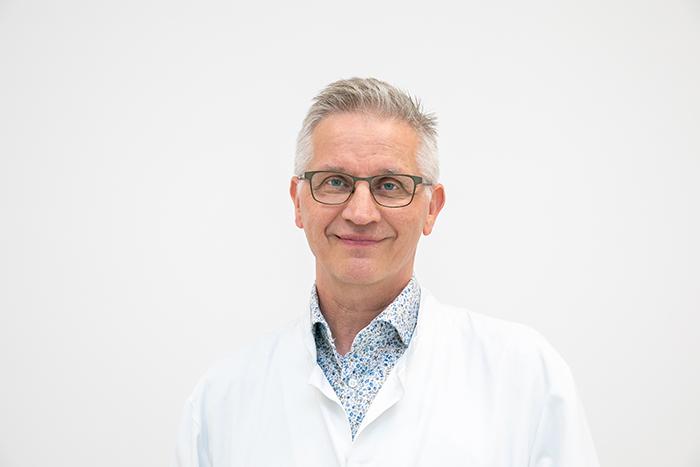
Harmaahiuksinen mies valkoisessa lääkärintakissa. Tausta on valkoinen

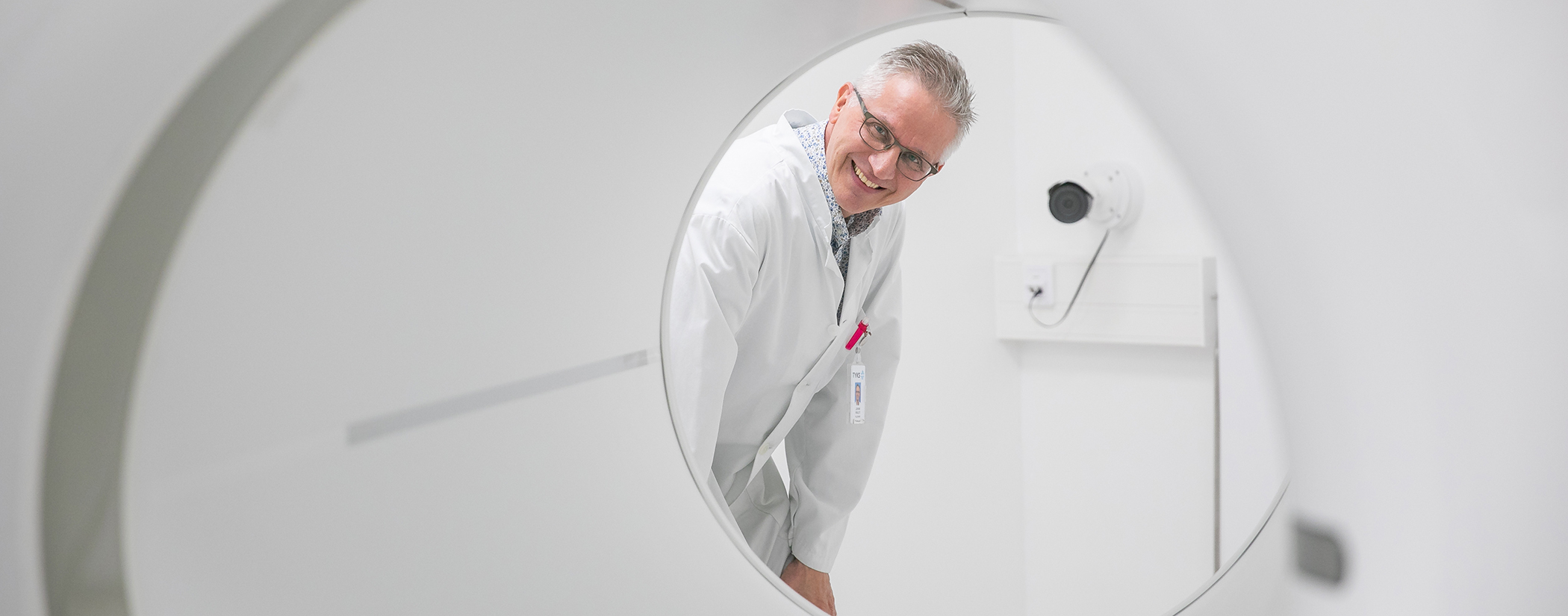
Professor Juhani Knuuti. Photo: Suvi Harvisalo / The University

Professor Juhani Knuuti’s research group received the largest grant, €264,500, as part of the one million euros awarded by the Finnish Cultural Foundation.

The KOVERI research project at the University of Turku’s PET Centre is studying the imaging of changes related to coronary artery disease (CAD) in other organs and is producing unique knowledge on this topic.

Knuuti says that this kind of research has not yet been conducted anywhere else.

“Our project is searching for answers to questions such as how coronary artery disease affects the arterial circulation of, for example, the brain, kidneys, liver, and pancreas.”

Coronary artery disease affects the entire body

Knuuti points out that the disease that narrows the coronary arteries doesn’t just damage the heart, but all of the body’s arteries.

“A person suffering from coronary artery disease may have signs of an unnoticed stroke, for example. So blockages of brain arteries can be the consequences of the artery disease that causes chest pain”, he explains.

Until now, medical science has had no easy way of studying how coronary artery disease (CAD) affects other organs.

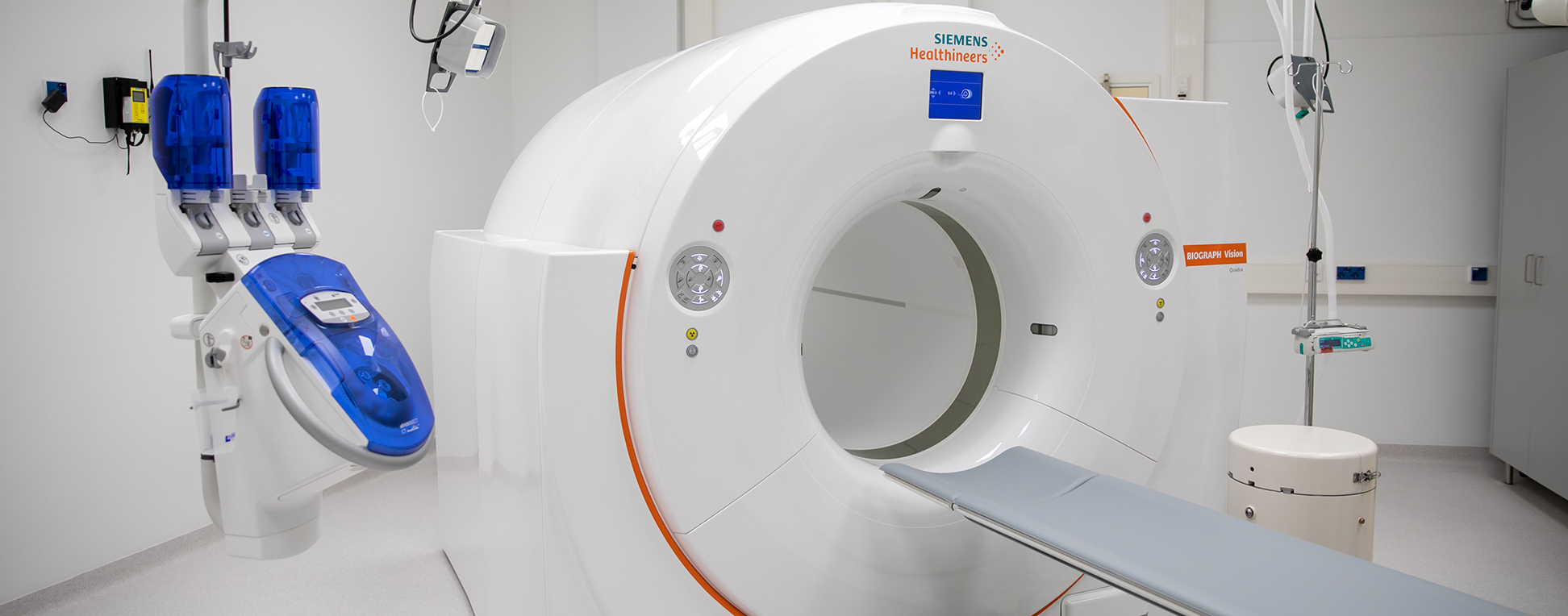
“What’s completely new in the project is that we’re studying this with a PET/CT scanner that can simultaneously image the entire body. By scanning the entire body, we can detect possible arterial changes in all organs already before symptoms appear.”

Knuuti hopes the KOVERI project will help to improve current treatment of CAD.

“At best, coronary artery disease will be found early enough – before it has time to cause a heart attack or stroke and damages other organs too.”

Finnish translations of literature open up the world – €100,000 for eleven new translations

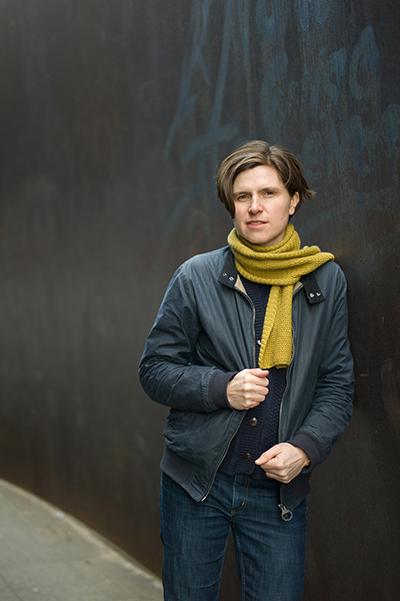
Nahkatakkinen nainen keltainen huivi kaulassaan nojailee mustaan seinään.

Judith Schalansky. Photo: Andreas Schmidt

In 2022, the Finnish Cultural Foundation established a new kind of grant whose goal is to translate and make available to Finnish readers world literature especially from languages that are nowadays rarely translated into Finnish.

Over the course of ten years, this grant will provide a total of one million euros, which is enough for translating one hundred high-quality contemporary works of prose, poetry, or essays into Finnish.

Money has now been granted for eleven new Finnish translations of books in Spanish, Dutch, Portuguese, Polish, French, Swedish, German, and Estonian.

Future translations will include that of Verzeichnis einiger Verluste (An Inventory of Losses, Finnish: Kadotettujen katalogi) by the German writer and graphic designer Judith Schalansky. The book’s texts combine memories, facts, and fiction; are full of anecdotes and free associations; and touch on topics ranging from painting and seafaring to tigers. Schalansky’s books are a synthesis of the arts in which the graphic design is as essential as the text. The publisher of the book is Poesia.

Camila Sosa Villada is one of Argentina’s best known and most widely translated contemporary writers. The publisher S&S will produce Finnish translations of two of her novels, the award-winning Las Malas and a not yet published work. Sosa Villada’s novels use linguistically skilful fictitious stories to present especially the experiences and lives of trans women and trans communities.

Three unpublished but completed manuscripts by Louis-Ferdinand Céline, one of the last century’s most important French writers, disappeared after World War 2 and the occupation of Paris. They were not discovered until 2021. Thanks to the grant for translation of world literature, one of them, Londres, will be published in Finnish by Siltala. It will provide a new perspective on the work of this controversial classic author.

English is the dominant translated language

Books translated from English dominate the Finnish literature translation market. According to the Fennica database, more than half of the literature translations published in Finland in 2022 were from English and almost one fifth were from Swedish.

The Finnish Cultural Foundation supports the translation of literature into Finnish so that Finns can also read books from less familiar cultures in their mother tongue.

“We’ll have a very limited view of the world if we are influenced only by English-speaking countries. If we want to understand what’s happening in the world in general, it’s important to know how people in other countries live and what they think”, says Juhana Lassila, the Finnish Cultural Foundation’s director of grants and cultural affairs.

Both small and large publishers applied for the world literature translation grants for more than 30 books. Most of these books are in a European language.

“The variety of European languages of these books is wonderful. In the future, we hope to be able to support translations of high-quality books from more remote languages too, including African and Asian languages”, Lassila emphasizes.

The Finnish Cultural Foundation has been inspiring Finns to read for a long time already and has supported the success of books and reading in Finland with several million euros. In recent years, for example, parents have been encouraged to read to young children, school libraries have received a variety of books, and books in simplified language and easy to read books have been made available to 13- to 15-year-olds. The financial support for publishers of Finnish translations of world literature is a continuation of these efforts and enables adults to read interesting books originally written in languages that only few Finns understand.

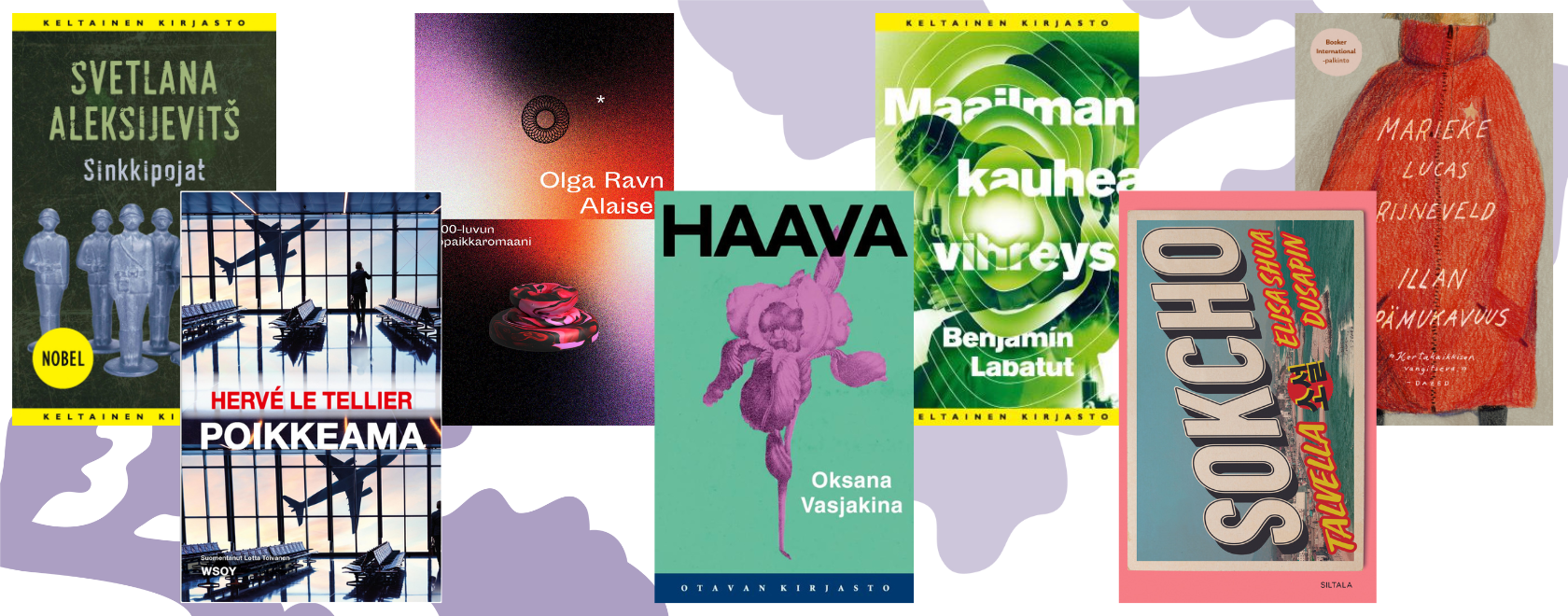
Books published so far with the help of the translation grants can be found on the webpage www.skr.fi/kirjagalleria (in Finnish).

2023 Translating World Literature Grants for publishers

  • Gummerus Publishers for improving publicity for the work Welkom in het Rijk der zieken by the Dutch author Hanna Bervoets, €6,000
  • The literature and culture association Särö for translating and publishing the novel Anna In w grobowcach świata by the Polish author Olga Tokarczuk, €10,000
  • The Otava Publishing Company for translating and publishing the novel De polyglotta älskarna by the Swedish author Lina Wolff, €9,000
  • The Otava Publishing Company for translating and publishing the novel Naturliga beteenden (Luontainen käytös) by the Swedish author Golnaz Hashemzadeh Bonde, €5,000
  • Siltala Publishing for translating and publishing the novel Londres by the French author Louis-Ferdinand Céline, €15,000
  • The publisher Kosmos for translating and publishing the novel Dschinns (Jinnit) by Fatma Aydemir, €10,000
  • The publisher Kirjasin for translating and publishing poems of the Argentinian poet Alejandra Pizarnik,
  • €6,000
  • The publisher Poesia for translating and publishing the work Verzeichnis einiger Verluste (Kadotettujen katalogi) by the German author Judith Schalansky, €15,000
  • The publisher Enostone for translating and publishing the novel O Diretor by Ana Filomena Amaral, €9,000
  • The publisher Schildts & Söderströms / S&S for translating and publishing the short story collection Väike terav nuga (Pieni terävä veitsi) by Kätlin Kaldmaa, €5,000
  • The publisher Schildts & Söderströms / S&S for translating and publishing two novels by Camila Sosa Villada, €11,000

The Book Gallery

Congenitally blind author and translator Jonna Heynke tells the story of a guide dog

Text: Essi Kähkönen
Photography: Petri Summanen

Here comes Papu, a two-year-old Labrador retriever who is enjoying the life of Riley in a lovely family. Until he hears a terrible rumour: he is about to be sent off to guide dog school!

We find out that Papu’s handler will be a young lady by the name of Vilma. Vilma is off to study in a town in eastern Finland called Savonlinna, and Papu is expected to go with her. Papu is thrilled, as he expects raucous student parties and endless socialising. He is sorely disappointed when Vilma turns out to be the sober, introverted type.

But things can always change, and Papu intends to achieve just that…

The focus is not on blindness

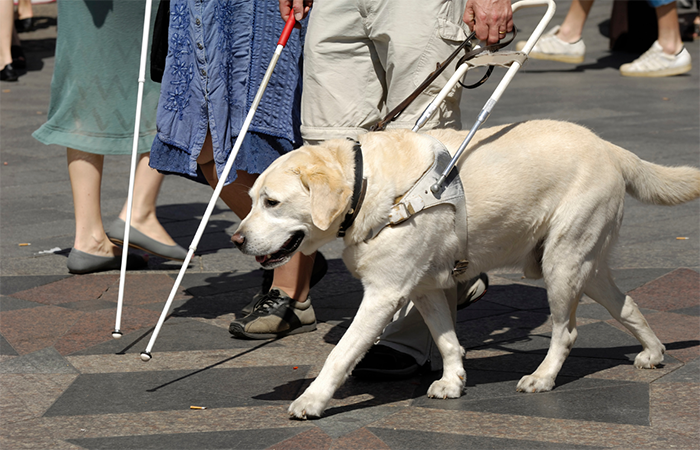
Vaalea koira opastaa ihmistä tien yli

The value of assistance dogs can not be measured in money. The dog in the picture isn’t related to the future book of Jonna Heynke.

That is how author and translator Jonna Heynke, MA, describes the joint adventures of Papu and Vilma, a work of fiction she intends to write with the help of a one-year grant awarded by the Finnish Cultural Foundation.

Having been blind from birth, Heynke knows what she is writing about. She received her first guide dog a couple of decades ago and is currently searching for her latest assistant.

“My guide dogs have allowed me to have adventures and live life to the full. The great work that these four-legged assistants do deserves recognition in the field of literature. At the same time, I will be able to give an idea of the world of the visually impaired to the seeing, many of whom know very little about it,” Heynke says.

With her book, Heynke hopes to shake off some of the outdated stereotypes associated with congenital blindness in particular.

“Looking for stories by congenitally blind authors, you almost exclusively come across autobiographical works that focus entirely on the author’s disability. I, too, have had requests for such a book, and many of my manuscripts have been returned by publishers with the comment ‘write about being blind’. Papu the guide dog’s memoirs are a kind of compromise: there is a lot about blindness in the book, but it is not the focal point of the story,” Heynke explains.

Permission to laugh

In this fictional memoir, the boisterous and cheeky guide dog Papu tries to invigorate his sedate handler, Vilma, occasionally managing to tempt her off the straight and narrow.

“The purpose of the book is to break down old-fashioned ideas about the visually impaired using humour, sometimes of the crude kind. Contrary to what many people believe, blindness does not equate to a life sentence and the blind do not need pity or commiseration. You have permission to laugh at blunders arising from people’s visual impairment,” Heynke says.

Although it is a work of fiction, her book will have an element of truth.

“It’s true for example that my first guide dog, Pontus, would drag me by force to the beer aisle of any shop, however large or small. And there was me at the age of twenty, hardly even having tasted beer, let alone any strong stuff.”

Smells come alive

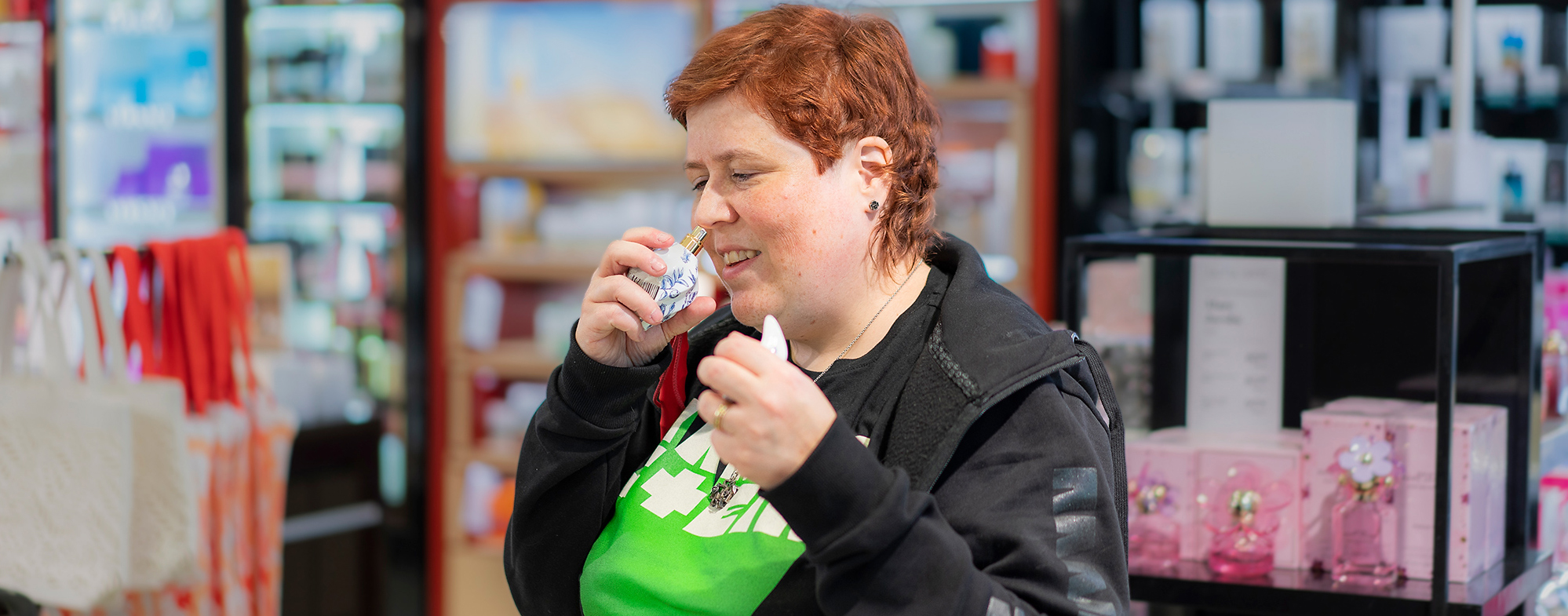
Mustavalkoinen kuva naisesta hajuvesipullo kädessä

Jonna Heynke emphasizes that blindness does not equate to a life sentence and the blind do not need pity or commiseration.

This being the memoir of a canine, it will have an emphasis on scents and smells. Papu’s nose will lead the pair to all sorts of places, from Vilma’s favourite perfume department to the liquor store world of whisky and tequila. Even with a stuffy nose, Papu will not fail to guide Vilma to the gynaecologist’s door at the health centre.

At the pharmacy, Papu draws in the wonderful scents of vitamin B pills, antibiotics and nitrates, and ends up being petted by the pharmacist, even though this is a big no for assistance dogs.

“I see the pharmacist has a ball-less cat at home,” Papu deduces with his nose.

Aural perception is also important for a dog, as it is for a visually impaired person, but there is no need to expose one’s sensitive ears to just any kind of racket. Papu threatens to go on strike when Vilma intends to have him listen to the caterwauling at the Savonlinna Opera Festival.

“One has to draw a line somewhere,” Papu exclaims!

Foreign travel facilitated by grant

In spite of his rebellious nature, Papu grows up to a fine seeing-eye dog. Vilma and Papu learn routes to important destinations, such as the university and the supermarket. They practise using stairs, doorways and pedestrian crossings. Vilma is sure to praise Papu for a job well done.

What has the significance of guide dogs been in Heynke’s own life?

“Huge. The value of an assistance dog cannot be measured in money. My guide dogs have become a part of me: at home they are beloved pets and in the outside world they are not only my guides but also facilitators of social interactions. I enjoy people coming up to me to ask about my dog. Lacking as I am in the eye contact that is integral to human interaction, a guide dog helps in this respect, too,” Heynke says.  

Papu and Vilma’s story is still being written, and future chapters will see them for instance visiting Amsterdam with a group of students. Heynke intends to travel there herself this year, to gather material. She wants to experience at least the Anne Frank House, the tulips and a canal cruise.

“I will really benefit from the Finnish Cultural Foundation’s grant, because as a blind person I cannot learn from videos and pictures: I must discover the experiences myself. Having Papu as a character will allow me to reveal how wonderful and exciting the world can really be. All you have to do is open your eyes and set out into it.”

Author and translator Jonna Heynke received a EUR 28,000 grant for writing the memoirs of a guide dog in 2023.

New CEO strives to make the work environment inspiring and safe

Text: Reeta Holma
Photos: Lehtikuva / Emmi Korhonen 

The article was first published in Finnish in the Tammenlastuja magazine 1/2023.

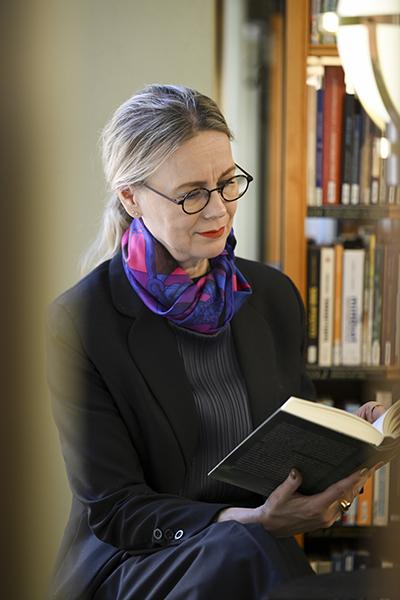
Vaaleahiuksinen nainen värikäs huivi kaulassa ja mustissa silmälaseissa lukee kirjaa. Taustalla kirjahylly

In February it was announced that the Finnish Cultural Foundation’s CEO starting from June 2023 will be Susanna Pettersson, PhD.

Pettersson has been in many demanding leadership and board of trustees positions in Finland and abroad. In her free time, she enjoys culture in many forms, but especially reading has been important to her since childhood. She makes sure to continue having enough time and opportunities for reading.

“I read both fiction and non-fiction from Finland and abroad. Right now I’m in the middle of two delightful books, one on the wonderful world of birds and one on the cultural history of wigs.”

Pettersson grew up in the part of Helsinki called Katajanokka, and she often checked out books from Helsinki’s beautiful former main library on Rikhardinkatu. Her mother’s roots are in the towns of Kälviä and Terijoki, her father’s in Ruovesi ja Lusi. She spent the summers of her childhood in the towns of Kuusamo and Mikkeli.

Another dear hobby is knitting, which Pettersson considers meditative. “When one’s job is complex and abstract, it feels great to get things done quickly on a small scale.”

She also spends time jogging and with her 13-year-old wire-haired dachshund. Her family includes a spouse and two adult children.

Inspiration and energy

“Good leadership depends on having other things in life besides work. Hobbies help us recharge, and we can get ideas and inspiration from them that provide energy we need at work.”

Pettersson describes herself as a value-based leader whose leadership philosophy centres on people. “I think it’s very important that people feel good in the workplace and that their expertise is appreciated at every level of the organization”, she says. “Traditional hierarchical thinking doesn’t fit into today’s world.”

Pettersson has been the director general of Sweden’s Nationalmuseum since 2018. When she announced she was leaving in February, she was asked if this was due to the difficulties such as the pandemic and inflation encountered by the museum in recent years.

“There were adversities during my tenure, but if I feared difficult things, I wouldn’t have even started at the Nationalmuseum”, she points out.

“Things can be difficult, but if the work environment is safe and encourages colleagues to develop ideas together and if people enjoy working there, even difficult things can be solved.” Creating such a work environment is one of the most important tasks of a leader according to Pettersson.

Getting a grant was crucial

Pettersson already has connections with the Finnish Cultural Foundation. She is a member of its support association, has held lectures at the Kirpilä Art Collection, has consulted the Museum Vision project, and has also received a grant from the Foundation. This three-year grant for her art history doctoral dissertation on building a public art collection was awarded in 2000, when multiyear grants were much less common than nowadays.

“Getting a grant from the Cultural Foundation was absolutely crucial for my career”, says Pettersson. The grant enabled concentrating on research and also enabled her family’s move to London, where she wrote the dissertation.

“Although time has already gone by since then, I’m still satisfied with the dissertation. I did the fundamental work carefully, and the beginnings of public art collecting in Finland were researched thoroughly and recorded.”

Academic endeavours

Pettersson has been in many demanding positions in her career. Before being in charge of the Nationalmuseum, she headed the Ateneum Art Museum, the Finnish Institute in London, and the Alvar Aalto Foundation and Museum. Simultaneously, she has always wanted to be active in academia.

She is an adjunct professor of museology at the University of Jyväskylä and enjoys mentoring doctoral dissertations. She keeps her own writing skills honed by annually publishing articles in her field. Recently an article appeared in the catalogue of the Nationalmuseum’s exhibition The Garden – Six Centuries of Art and Nature, and on the way is, for example, an article on Ulla-Maija Alanen’s photography and a book on Ola Kolehmainen’s newest works. An extensive book on Nordic art and social history from 1820 to 1920, which she is editing together with Anna-Maria von Bonsdorff, is planned for 2024.

Nine years on the board of Aalto University have also provided her with a strong understanding of the academic world. “I was vice chair for two years and on the HR committee for nine years, where I participated in the recruitment of leading academic personnel”, Pettersson explains. “In my time at Aalto, I was able to acquaint myself in detail with the multidisciplinary world of academia.”

A manifestation of Finland’s civil society

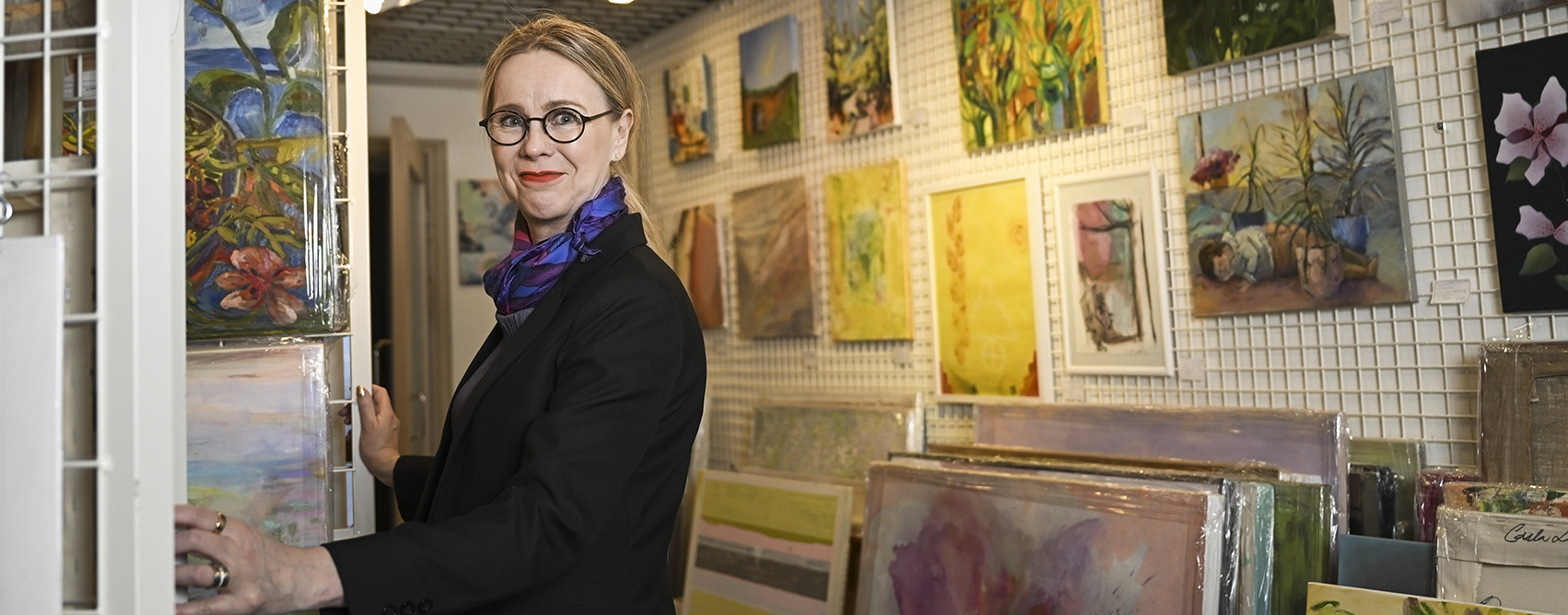
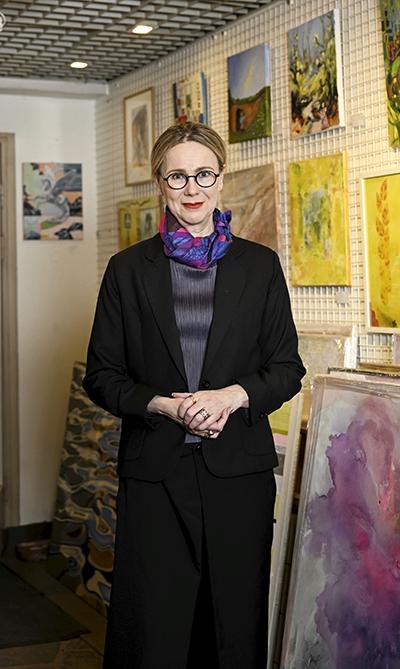
Vaaleahiuksinen, silmälasipäinen nainen tummissa vaatteissa seisoo taidevarastossa keskellä värikkäitä taideteoksia.

Job interviews have the classic question “Why do you want to work for us?” What is Susanna Pettersson’s response?

“During my career, I have acquired a combination of various kinds of know-how that I believe will benefit the Foundation. I have experience working in several countries and in various jobs and on different trustee roles. I know the worlds of culture, art, and academia, and I have also had the chance to deal with the practices of donating.” 

She considers the Finnish Cultural Foundation to be unique.

“Many foundations revolve around a single donor or organization, whereas the Finnish Cultural Foundation has from the very beginning been a strong manifestation of Finland’s civil society”, Pettersson explains.

She considers the Foundation’s national scope to be an essential strength. As one of her first tasks, she intends to familiarize herself with its regional funds in order to get a picture of the Foundation’s activities that is as comprehensive as possible.

She also feels it’s important to collaborate with other foundations, for example, and calls for courage to engage in large joint endeavours. 

“It’s time to look at ways of doing things from a new angle. The very first thing I want to do is to talk about the visions for the future with everyone working at the Foundation.”

Parsa Kamehkhosh, 2022, Tokyo Arts and Space

Parsa Kamehkhosh: A sense of presence and joy

An interview by Athanasía Aarniosuo

AA: You spent a few months in 2022 at Tokyo Arts and Space Residency. As your artistic practice involves incorporating your daily life, routines, and observations into your work, did the change of scenery bring on changes in your work as well?

PK: With the change of scenery, I expected to see new elements in the ideas that flowed through me. Because you know, when it comes to my art practice, I am hesitant to label myself as a creator. Instead, I see myself as a “door” through which certain ideas emerge, and to fulfill this role, I must be present, a challenging quality that I describe as being in the world.

This was my first trip to Japan, and I intentionally refrained from researching the country beforehand. I wanted the experience to be new and unfiltered, which it certainly was. In these situations, the mind enters an alert mode, in which one becomes fully engrossed in their surroundings, absorbing as much information as possible to navigate the new environment. Even simple acts like buying bread or crossing the street required absolute attention and sometimes demanded unlearning and relearning. This state of being usually extremely tiring and causes a lot of confusion as well, and I knew that all I need to do is try to be present (even if it means embracing my confusion) and wait for the digestion of new experiences to naturally manifest in my practice. Now a few months later, I would say some of the lessons I learned there or there have remained with me and will likely continue to influence my work in the future.

AA: I mentioned routine, but it seems to me that in your work emotions are bigger than routine, and experiencing life is never banal, not even at its most repetitive. How did the change of scenery make you feel?

PK: Sticking to a certain routine or discipline can sometimes help me reach a state of flow, and for me, being in the zone, feeling connected to the world, and experiencing joy are all interconnected. In fact, joy is an emotion that is truly compatible with my practice.

However, traveling can make it challenging for me to maintain my daily discipline. This was also the case during my residency in Japan, where I initially felt a lot of pressure and confusion due to first, the multitude of new experiences and second, the unexpectedly dense concrete structure of the neighborhood I was in. During the past eight years of living in Finland, I made a close bond with trees that I found surprisingly tough living without it in a dense city. Adding to that, my experience of getting Covid right after arriving in Tokyo, forced me to stay indoors for ten days which made me crave nature even more. Thus I would say regaining a sense of presence and joy turned into a goal of my practice in this residency, and I managed to achieve this through cycling. Every day, I used to go on a quest to find a piece of nature in or around the city to sit and wait. Through these daily trips, I had a blast experiencing a uniquely magical aura of nature in Japan which granted me a sense of connection to the new land.

Cycling also allowed me to be agile and flexible and visit many places that otherwise I might have never run into. It helped me become part of the daily life of the city and provided me with a much-needed sense of freedom and exploration.

Kerrostalo, jonka edessä kulkee polkupyörä autotiellä.

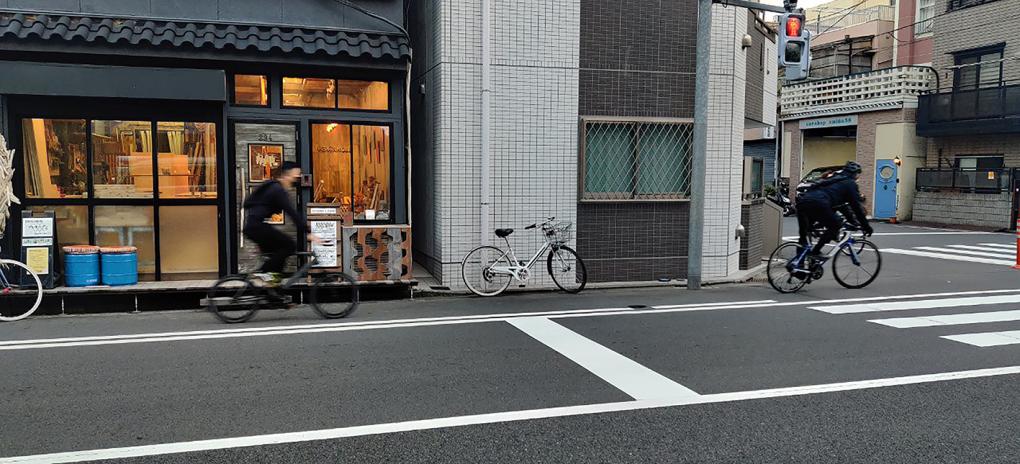
Discovering the perfect spot for my performance between two buildings in Sumida Ku, Tokyo. Photo: Parsa Kamehkhosh

AA: Did you plan the residency period in advance? Did the ideas that occupied your mind and your work while in Japan differ from what you expected?

PK: Before leaving for Japan, I articulated my plan as follows: “I intend to explore the concept of process and processing in the context of Japanese philosophy and the ethics of craft, with a particular focus on performance as an art practice. This will involve closely observing the elements of space, body, materials, and duration in craft traditions, as well as attempting to connect with the supernatural dimensions of the Japanese workspace.”

Looking back on my residency, I’m struck by how well the final piece aligned with my original plan. However, I now realize that the process of arriving at that piece was more organic than I had anticipated. Having a loose framework to guide my exploration, I remained open to the unexpected and allowed different elements to converge naturally. As a result, I had little control over how my ideas took shape and I think my willingness to relinquish control was an important factor in how everything worked.

AA: Did you experience any surprises, unforeseen encounters, or revelations?

 PK: One of the most unexpected things was getting COVID right after arriving in Tokyo, which meant that the first place I visited, other than my room, was a hospital. However, apart from that, most of my experiences in Japan were full of subtle surprises or I would say realizations. For instance, I can refer to my realizations about the notion of light and shadow in Japanese culture which literally altered my understanding of them and already showed itself in the piece I performed at the end of the residency.

AA: Did any new ideas, conceived in Japan, develop into finished works or ongoing processes while back in Helsinki?

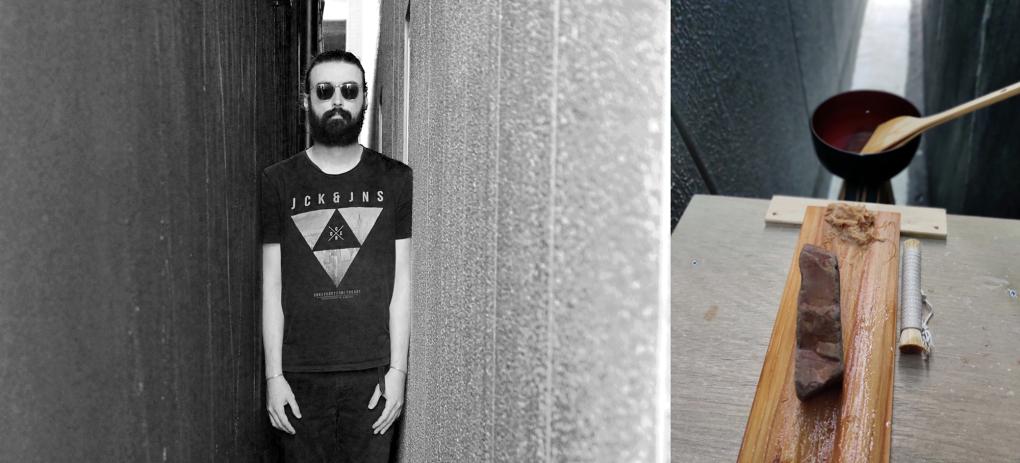
PK: The name of the piece I presented at the open studio at the end of my residency in Tokyo was ‘Rubbing a Stone on a Piece of Wood in the Neighborhood.’ As the title implies, the piece involved rubbing a stone on a piece of cedar wood. To create this piece, I built a working station that fits in the narrow 47 cm space between two buildings near the residency. For nine days in a row, I started 30 minutes before sunset and continued the repetitive act of rubbing for one hour until it got dark.

This piece ended up being the catalyst for a year-long project that I am currently planning, set to debut in 2024.

Vasemmalla mustavalkoinen kuva miehestä aurinkolasit päässä, oikealla puinen teline taideteosta varten.

Left: Sizing up the performance location with my body. Photo: Mio Hanaoka – Right: The custom-built working station for the performance. Photo: Parsa Kamehkhosh

parsa-kamehkhosh.com

The August Round and Residencies

Finnish Cultural Foundation’s residency programme is maintained and developed in collaboration with HIAP – Helsinki International Artist Programme.
Cardiovascular disease research receives one million euros in grant

Cardiovascular diseases are widespread in Finland. Although they have caused less fatalities since the 1970s, they are still responsible for nearly half of deaths in Finland’s working-age population. The most common cardiovascular diseases are coronary artery disease, heart insufficiency, and cerebrovascular disease.

The Finnish Cultural Foundation’s assets consist of donations and bequests received over the last 80 years. Many donors have wanted to support medical science or specifically cardiovascular disease research.

“Their donations have now enabled several simultaneous large grants to research, although large grants in this field are otherwise relatively rare in Finland”, says Mikko Niemi, member of the Board of Trustees of the Finnish Cultural Foundation and professor of pharmacogenetics at the University of Helsinki.

Hymyilevä silmälasipäinen mies seisoo käytävällä, taustalla ikkunoista tehty seinä.

Professor Seppo Ylä-Herttuala and a research group received €200,000 for research on developing gene therapy. Photo: The University of Eastern Finland

Applications for the cardiovascular disease research grants could be submitted during the Finnish Cultural Foundation’s regional funds’ application round in January. Grants were awarded to six projects.

Professor Juhani Knuuti and the KOVERI research project (Turku PET Centre) received €264,500 for research on imaging changes in other organs related to coronary artery disease. The research is producing unique information on the interaction between the heart and other organs and on the changes caused by coronary artery disease in the blood circulation of other organs.

Gene therapy opens up new possibilities for treating many serious diseases. Professor Seppo Ylä-Herttuala and a research group at the University of Eastern Finland’s Faculty of Health Sciences received €200,000 for research on developing gene therapy for improving the treatment of heart failure and the treatment of ischemia-reperfusion injury caused when opening up blocked coronary arteries.

Adjunct professor Katariina Öörni and a research group at the Wihuri Research Institute received €180,000 for research on the reasons for the qualitative characteristics of lipoproteins and research on their effects on the development of cardiovascular diseases. The research project can help improve individual risk analysis and help direct treatment to individuals that benefit the most from it.

Professor Katriina Aalto-Setälä and a research group from the University of Tampere’s Biomeditech (€168,000) are studying the modelling of cardiac ischemia and hereditary heart diseases using stem cells and iPS cell technology, Professor Jussi Hernesniemi and the AFFELECT research group (Tampere University’s Faculty of Medicine and Health Technology, €108,000) are studying the acute treatment of randomised and controlled clinical atrial fibrillation and flutter, and Professor Marja Hedman and her research group (University of Eastern Finland’s Faculty of Health Sciences, €79,500) are studying the prediction of aortic rupture by means of mathematical modelling.

Science knows no regional boundaries

The Finnish Cultural Foundation impacts every corner of Finland through its 17 regional funds. The regional funds are responsible for nurturing and developing the culture of their region.

“One million euros for cardiovascular diseases were collected from 14 donor funds in the areas of ten regional funds, and applications for the grants could be submitted throughout Finland. The aim was to get applications from larger research projects and to achieve effectiveness”, says Antti Niskanen, the fund officer in charge of the application process.

Of the one hundred applications received, some were directed to the normal evaluation of the regional funds, where it was felt they had better chances of success than in the application process meant for bigger cardiovascular disease projects.

The results from the Säätiöiden post doc -pool’s spring application round – 27 scholars received funding

Doctor of Social Sciences Paula Rauhala studies the history of edition, translation and reception of Karl Marx’s Capital between the Soviet Union and the West: in divided Germany and Finland. “Thanks to the grant, I can work in libraries and archives in Germany. I’m also studying to become a German translator, so it’s great that I can finally live in Germany for a longer period of time and develop my language skills,” says Rauhala excitedly and tells about her research.

Mustahiuksinen mies, silmälasit päässä. Istuu tuolilla ja nojaa kädellään leukaansa.

Chaoxiong Ye aims to understand how our brain processes visual information and allocates resources to support our working memory.

“For many, Marx brings to mind pompous Soviet statues and red flags, where the old Marx poses sullenly next to Lenin and Stalin. In fact, however, he was a European mid-19th-century thinker, not a Soviet one,” says Rauhala. In her project, she breaks down what in the original language editions of Capital – and in the Finnish translations of the work – is filtered through 20th-century ways of thinking.

According to Rauhala, our image of Marx as the “classic” of the Soviet ideology Marxism-Leninism, is largely derived from the massive publishing projects financed by the Soviet Union and the GDR, including the editions of Capital produced in these countries. Essential research questions are: how do the editions of Capital produced in East and West Germany during the Cold War reflect the controversy over to whom Marx belonged as a classic, the social democrats, the radical left or Soviet Marxism? How the Soviet ideology is reflected in the Finnish translation of the work? Should the 110-year-old (and only) translation of the first volume of Capital be updated?

Chaoxiong Ye, Doctor of Philosophy, is studying the cognitive mechanism of the two-phase model of visual working memory and its application. “I am excited to share that my research aims to understand how our brain processes visual information and allocates resources to support our working memory”, Ye explains. To investigate this, Ye and his team proposes a two-phase model of visual working memory resource allocation and will conduct two stages of research using electroencephalography (EEG) recordings and cognitive training paradigms.

“We hope to reveal the cognitive and neural mechanisms that facilitate flexible allocation of visual working memory resources and design cognitive training paradigms that can improve individuals’ VWM capacity” Ye says. The results of the project will provide important insights into the cognitive and neural basis of the VWM resource allocation. “Our cognitive training paradigm could have practical applications in improving human cognitive capacity”, he tells with excitement.

What is the Post Doc Pool?

The Pool has a role in making Finnish research more international. After twenty-seven application rounds over 700 scholars have already received funding through the Pool for at least a one-year research period abroad. One third of the grantees have received a two-year funding.

Since 2022, it has been possible to apply for funding from the Post Doc Pool even for shorter research periods abroad (i.e. outside of Finland) that last at least 6 months. The Pool’s next application round will take place from 15 August until 15 September 2023, when some 1.8 million euro will be given in grants. The results of this round will be published by December 2023.

Säätiöiden post doc -pooli has proven to be an important instrument of research funding which has enabled young scholars with families to finance research periods at top universities abroad. The grants awarded by the Pool are determined flexibly in accordance with the applicant’s needs and they often include their family’s moving expenses and children’s day care or school fees.

The Säätiöiden post doc -pooli was set up in the autumn of 2009. During the current three-year-period 2022-2024 there are thirteen foundations involved, allocating altogether 3.25 million euro annually to the pool. The Pool’s foundations are Ella and Georg Ehrnrooth Foundation, Emil Aaltonen’s Foundation, Alfred Kordelin Foundation, the Foundation for Economic Education, Päivikki and Sakari Sohlberg Foundation, Finnish Academy of Science and Letters, Finnish Cultural Foundation, the Finnish Medical Foundation, Swedish Cultural Foundation in Finland, the Society of Swedish Literature in Finland, Finnish Foundation for Technology Promotion, Jenny and Antti Wihuri Foundation and the Ulla Tuominen’s Foundation.

Post Doc grants awarded by the Finnish Cultural Foundation:

  • Shady Awad, biomedicine, 76 000 €
  • Niko Cajander, industrial management, 28 400 €
  • Ehsan Daneshvar, agronomy, 48 000 €
  • Nicholas Downes, cell biology, 60 000 €
  • Md Nurul Huda, physics, 75 000 €
  • Olesia Ignatenko, biomedicine, 48 000 €
  • Jasmin Lukkari, history, 39 000 €
  • Ekaterina Nepovinnykh, computational science, 59 000 €
  • Marika Pulkkinen, theology, 39 000 €
  • Paula Rauhala, philosophy, 41 000 €
  • Jenny Säilävaara, gender studies, 55 000 €
  • Henna Tahvanainen, acoustics, 44 000 €
  • Chaoxiong Ye, neuroscience, 50 0000 €

www.postdocpooli.fi

Donations enable purchase of ‘brain cleaner’ in Oulu

Similar research equipment is not available anywhere else in the Nordic countries.

The University of Oulu has received a sufficient amount of donations to acquire advanced ultrasound equipment for brain research. The high-quality device that opens the blood-brain barrier, also called the ‘brain cleaner’, enables the study of various targeted therapies and may be a decisive step in the development of healing therapies for Alzheimer’s disease, brain lymphoma and epilepsy, for example.

The glymphatic system of the brain has been studied for a long time at the University of Oulu. The purpose of the system is to clean the brain of waste material, especially during sleep. A breakthrough was made in the study of Alzheimer’s disease when Professor Vesa Kiviniemi’s research group succeeded in describing the abnormality in the glymphatic system in the brain of patients with the disease.

This finding is crucial for understanding the mechanisms leading to Alzheimer’s disease and, in the long term, also for the prevention and treatment of the disease.

“When the brain is unable to clean itself normally during sleep, waste materials accumulate. Over the years, this can lead to the development of brain diseases. Medical cleaning of the brain is difficult because the brain is designed to reject everything coming from the outside. With the help of the focused ultrasound (FUS) device, colloquially the ‘brain cleaner’, we can temporarily open the blood-brain barrier and deliver drugs to the right places with precision and, at the same time, flush away waste materials,” says Vesa Kiviniemi, Professor of Functional Neuroimaging.

A total of EUR 2.2 million in donations were collected for the brain cleaner. The most recent donation of EUR 700,000 was made by the Finnish Cultural Foundation.

“The support from the Finnish Cultural Foundation came at just the right time. Combined with the previously received donations and pledges of EUR 1.5 million, the necessary funds for the FUS device are now in place. The device will significantly advance our research project,” says Professor Kiviniemi.

The University of Oulu conducts international-level research on the diagnostics of the brain’s glymphatic waste removal system and on targeted treatment options for various brain diseases. The researchers contributing to the work include Hanne Kuitunen, Director of Oulu University Hospital’s Cancer Centre, Mikael von und zu Fraunberg, Professor of Neurosurgery, research teams in neurology and psychiatry, and Biocenter Oulu’s microscopy researchers under the lead of Professor Lauri Eklund.

The acquisition of the device and the related research group will help establish a unique research centre of international standard in Oulu. There will be close cooperation at national level with universities and hospital centres, and at international level with research centres. 

The Finnish Cultural Foundation is a private foundation whose funds come entirely from wills and donations.

“Many donors support a certain field of research due to their own or a loved one’s illness. The Finnish Cultural Foundation has several donor funds which direct funding to research into Alzheimer’s disease, other brain diseases and neurological diseases,” says Hanna Hiidenpalo, Chair of the board of trustees of the Finnish Cultural Foundation.

“Unfortunately, Alzheimer’s disease and other memory disorders are affecting a growing number of Finns and their loved ones,” says Hiidenpalo.