CULTURE FERRY – Open call for applications
Open Call for Applications, 1 – 31 March 2023

This is a call for art content that is suitable for events directed at audiences of all ages, to take place in the Southwest Finland and Satakunta archipelago in July and early August 2023. We will accept proposals for existing stage productions, music productions, visual art content, street art, literary art and other art forms. The content may be inspired by the local environment or comment on it.

The events will take place across three islands during the peak season, inviting participation from local residents, summer residents and tourists. The CULTURE FERRY’s mission is to foster community spirit while promoting ecological values and cultural diversity. During summer days and afternoons, visitors may enjoy artworks, take part in nature-themed workshops, explore an island on a guided tour and ask questions from a panel of nature experts, for example.

We are looking for work that will blend in well with the islands’ vulnerable natural environment and their unusual performance and exhibition venues. The artworks should be lightweight and easy to transport on connection ferries, and should fall into place naturally on the local rocks, terraces or gardens, or on the sea itself.

Dates and venues

Saturday 8 July, Iniö

Iniö is a locality on the Archipelago Trail. Many tourists pass through the main island, which has an active and tight-knit local community of permanent and summer residents. Iniö comprises more than one thousand islands and islets, and the event will take place outdoors, around the environs of the Norrby guest harbour.

Saturday 29 July, Kuuskajaskari

Kuuskajaskari is a popular tourist destination, attracting 200–300 visitors every day. The island is a former army defence and training fortification, still containing old barracks and military fixtures. Besides the outdoor environment, the venues include an old artillery hall, which has previously been used for summer theatre productions and can fit an audience of 150.

Saturday 5 August, Archipelago Centre Korpoström

The Archipelago Centre offers a versatile programme and services for yachters, visitors interested in culture and the Archipelago Sea, and families with children. Its main exhibition for summer 2023, entitled Migration, considers the topic of migration through contemporary art, while the Kids’ Lab will allow children to explore life forms and water samples from the sea bed. Our event can spread itself across indoor and outdoor spaces.

Application form

Please submit your artwork proposal using the digital application form on the Regional Dance Centre of Western Finland website. The application can be filled also in Swedish and Finnish.

Information to provide on the form:

  • Title of piece or performance
  • Name of artist or group
  • Suitable venues and dates
  • Brief promotional description of the piece or performance for marketing purposes
  • Marketing picture and name of photographer
  • Duration(if applicable)
  • Compensation: salary or invoice
  • Estimated travel costa per venue (cheapest public transport option or mileage allowance if necessary)
  • Written description of completed work (max. one A4) and preferred venue
  • Links to visual and/or audiovisual materials, if available (remember to provide passwords)
  • Contact details (email, telephone, website or online portfolio, contact person for group)
  • PDF file containing cost estimate for materials, rented technology, etc., as well as a list of necessary technical equipment and other details related to erecting/displaying/performing the work
  • Other comments
  • Please note, that you have 60 minutes to complete the application. Therefore you should read the questions in advance and make sure that you have all the necessary attachments available.

Selection process and compensation

The selections for the event programme will be made by a jury appointed from among the organisers, who may consult experts if necessary. The jury may also suggest further developments for ideas. The selection process will pay attention to the proposals’ artistic quality and their suitability for the programme as a whole. Selections will be made by 30 April 2023. After that, the organisers will proceed to make agreements with the selected artists/groups. We will be in touch with all applicants.

Jury composition: Risto Kupari, Fund Officer of the Satakunta Regional Fund; Sari Torvinen, Project Coordinator; and Timo Vuorisalo, Fund Officer of the Varsinais-Suomi Regional Fund.

The selected artists or groups will receive compensation in the form of salary and daily allowances. If desired, the artists/groups may also invoice the organisers for the work as freelancers, including all daily allowances and employers’ contributions in the invoiced sum (they will not be paid separately). We will also cover travel expenses between the artists’ home addresses and the venues, in accordance with the Finnish Cultural Foundation’s travel expense regulations. At some venues, accommodation expenses may be necessary if travel connections demand an overnight stay.

Please clearly itemise all the material and technology-related costs on your application, and we will cover them where possible.

For further information, please contact:

Sari Torvinen, project coordinator
sari.torvinen@skr.fi

Tel.: +358 44 9064 764

Organisers:

Finnish Cultural Foundation’s Satakunta and Varsinais-Suomi Regional Funds.

Partners:

Regional Council of Southwest Finland, Arts Promotion Centre Finland, Regional Dance Centre of Western Finland, and the Swedish Cultural Foundation in Finland.
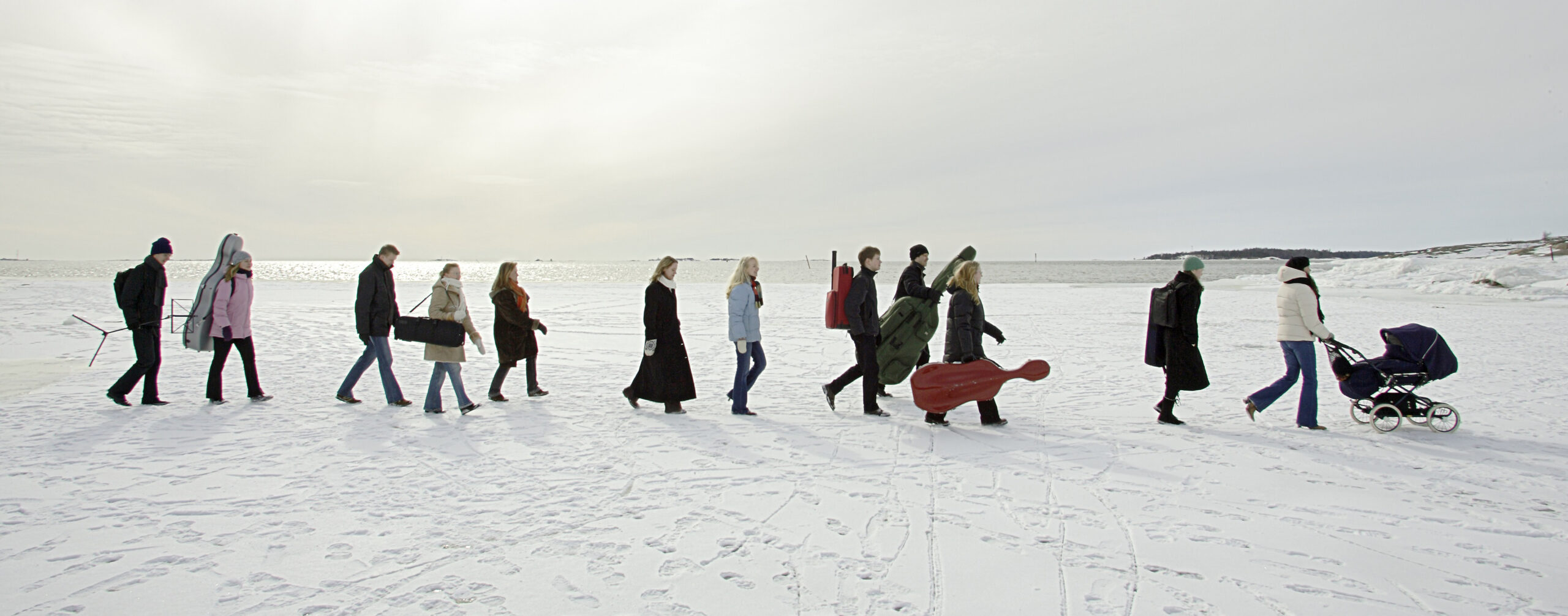
With early music around the Baltic Sea, and into the world of linguistic joy on the wings of poetry

Teksti: Reeta Holma

In the coming years the Helsinki Baroque Orchestra, which focuses on early music, will delve into the history of classical music in the Baltic Sea region with the support of the Finnish Cultural Foundation. The three-year project, which is interesting both musically and in terms of cultural history, is big on the orchestra’s scale, says Aapo Häkkinen, artistic director of the Helsinki Baroque Orchestra. “Without external support, it would not be possible for us to engage in such large projects extending over several years.”

The northern dimension has received relatively little attention in the study of early music and performance practices, as more southerly German and Italian music has left it in the shadows.

Now, the musical heritage of the Baltic Sea region is brought to the fore in a new way. During the project, music from the middle of the 17th century to the beginning of the 19th century will be performed. For example, the flourishing art of the Hanseatic cities of the 17th century and the lively and international musical life of 18th century Sweden are highlighted.

The area of Finland at that time can be characterised as a musical backwater, but as a part of Sweden it was nevertheless closely involved in the cultural circle of the Baltic Sea. The biggest centres for art were elsewhere: in Hamburg, Lübeck, Stockholm and Riga.

“Cultural bridges were also formed to these cities from Finland, which we are trying to outline in this project,” says Häkkinen.

Concerts related to the cultural history of the Baltic Sea are organised at the Helsinki Music Centre, and the intention is to also go on tour with the programme in Finland and abroad. In addition to themed concerts, lectures and discussions, online seminars and publications are planned, which will help the music and cultural history of the Baltic Sea region reach audiences who cannot come to listen to the music.

“The seamless interaction of research and practical music-making is at the heart of the Helsinki Baroque Orchestra’s activities,” says Häkkinen. The orchestra’s artistic design heavily relies on research in musicology and music history, and a key part of its work is to bring out the previously unknown, historically important repertoire of early music. “Many of these unique works are even being heard for the first time since the time they were composed.”

The world of Kirsi Kunnas’s poetry is celebrated in 2024

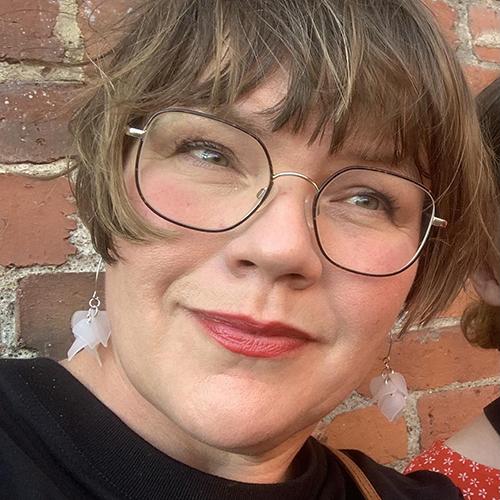
Silmälasipäinen nainen, ruskeat polkkapituiset hiukset. Lähikuva kasvoista.

PiiPoo Cultural Centre’s executive director Pilvi Kuitu.

Kirsi Kunnas (1924–2021) paved the way for modern Finnish children’s poetry with her collection Tiitiäisen satupuu (Tiitiäinen’s fairytale tree) in 1956. She created a world of child-centred poetry that understands a child’s world, plays with words, letters and thoughts, and speaks to adults as well.

Located in Lempäälä, the PiiPoo Cultural Centre, which operates regionally and nationally, is planning a Kirsi Kunnas centenary year for 2024 to celebrate the literary heritage of Kunnas. As a result of the cooperation of a large number of organisations, an artistically diverse programme is being created. Based on equality, poetry, the power of thinking, kind-hearted anarchy and playfulness, the project invites people of all ages from different parts of Finland to come along.

“Kirsi Kunnas practically gave birth to the genre of children’s poetry in Finland, which is a huge thing. She was a significant figure in cultural history and an artist of the entire nation,” says PiiPoo’s executive director Pilvi Kuitu. “Kirsi’s poems are not glossy images. They have unruly children and all sorts of life in them. I hope that the centenary year will also have the flavour of life and not be a mausoleum.”

Kunnas talked a lot about supporting children’s linguistic development and how words and language are the key to expanding thinking. Playing with language, enjoying the rhythm of poetry and having fun with rhymes were the cornerstones of her poetics.

“There is a lot of talk these days about challenges in reading. If reading is a technical achievement that lacks the ability to enjoy playing with language, it lowers motivation,” says Kuitu. 

The centenary year invites cultural actors all over Finland to celebrate Kunnas in the spirit of playful and kind-hearted anarchy; to raise the themes of children’s poetry, the joy of reading and poetry aimed at adults into a common discussion; and to train preschool and elementary school teachers to use poems and literary art in their work. The project also extends beyond Finland’s borders as a collaboration with Finnish schools operating around the world. 

According to Kuitu, Kirsi Kunnas had a strong idea that children are artistic actors, and that play is art and art is play. She tells a story about her childhood when she lived with her family in Ylöjärvi and went to a poetry club on Saturdays.

“One Saturday, a woman came to the poetry club with whom we created rhymes and poems together. She became very enthusiastic about us children and what we were doing. I remember how she looked at us admiringly. At that moment, I realised that I became visible through art and was a colleague of hers – an artist myself. The woman was Kirsi Kunnas, and this meeting has showed the way to my own path in culture.”

The Helsinki Baroque Orchestra Association was awarded 110,000 euros for the implementation of the Cultural History of the Baltic Sea in the 18th Century project, and the Friends of PiiPoo Cultural Centre association received 100,000 euros for the national Kirsi Kunnas 100 cultural project in 2023.

The Finnish Cultural Foundation’s awards for significant cultural achievements

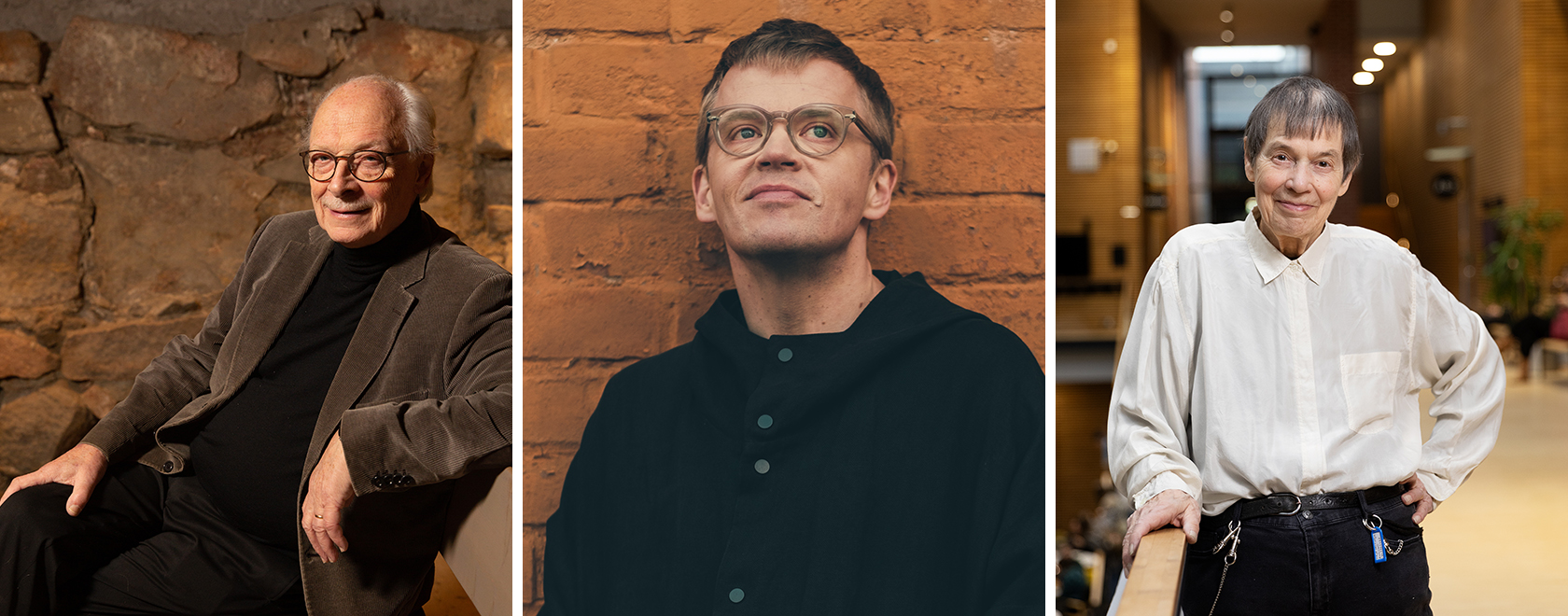
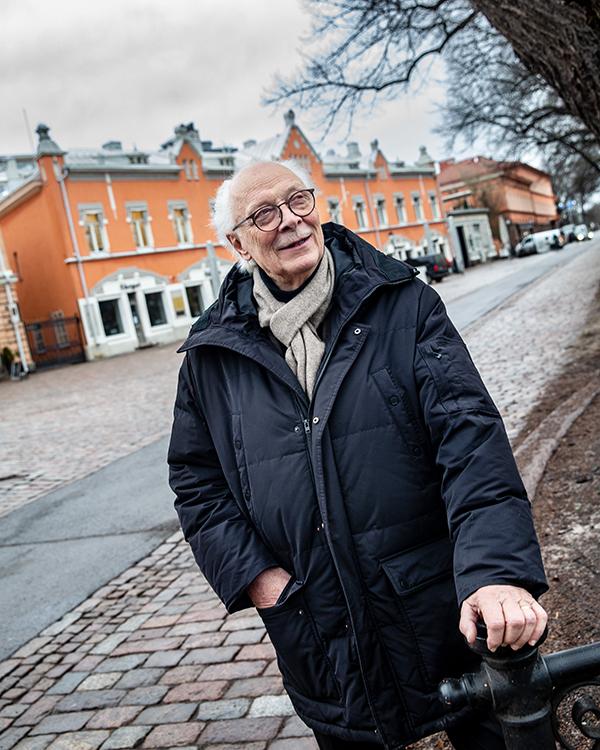
Benito Casagrande

Vanha mies tummassa takissa seisoo aitaan nojaten. Taustalla oranssi kolmikerroksinen kivitalo.

Benito Casagrande. Photo: Robert Seger

The architect Benito Casagrande was born in Turku in 1942 and studied architecture at the Helsinki University of Technology. Already in his 1970 master’s thesis, he studied Turku’s historical identity and suggested solutions that take into consideration both the historical accretions and the demands of today.

In 1983, Casagrande presented a plan to enliven Turku’s old town. This was a foundation for the ensuing successful efforts to restore the old city milieu to a more original form. Parking areas and other inappropriate structures were removed from the old main market, and several old wooden houses between the bridge Aurasilta and the market Vähätori were saved. This required above all perseverance and devotion to Turku but also good collaboration between Casagrande and civil servants and the Finnish Heritage Agency.

Thanks to Casagrande, the Ingman House, already threatened with demolition, was revitalised by renovation respectful of its history and under the supervision of the Finnish Heritage Agency. Today it is one of Turku’s most beautiful old buildings and provides premises for a restaurant, cafe, shops, and other businesses. A Catholic chapel was built to commemorate the people buried in the church ruins found in the archaeological excavations carried out under the building.

Benito Casagrande’s influence is visible in different parts of the city: in the University of Turku’s campus, in the Turku Science Park and its cluster of advanced technology and scientific research, in old factory buildings such as Manilla and Rettig turned into culture spaces, and in numerous business and office buildings. His energy, initiative, and creativity in dozens of board positions have influenced culture and businesses locally, regionally, and nation wide.

The award is conferred for respecting history and for preserving beauty.

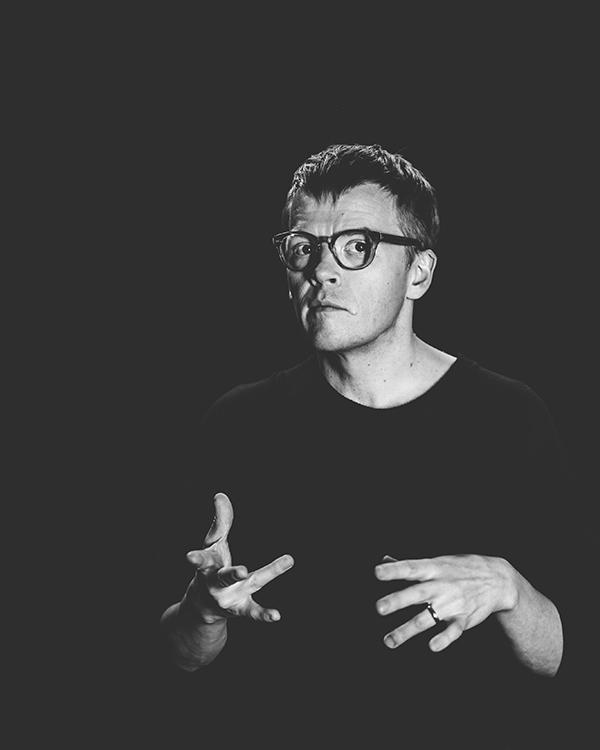
Pekka Kuusisto

Mustavalkoinen kuva. Silmälasipäinen mies huitoo käsillään. Tausta on musta.

Pekka Kuusisto. Photo: Bård Gundersen

The violinist and conductor Pekka Kuusisto (born 1976) has become known as an exceptionally versatile musician who is equally at ease as a violin concerto soloist, conductor, chamber music player, composer, arranger, festival director, and folk musician and in a circus, on a theatre stage, and in jazz and the realm of electronic music – and in defending nature and justice.

Kuusisto’s violin studies, begun at the age of three, took him to the East Helsinki Music Institute and on to the Sibelius Academy and the University of Indiana and to becoming the so far first Finnish winner of the Sibelius Violin Competition in 1995. His home is in the Finnish town of Pernaja, but due to his strong international career, he actually works nearly all over the world. Currently he has regular orchestra engagements in Oslo, Basel, San Francisco, Bremen, and soon also Helsinki.

His classical repertoire ranges from Baroque to the most experimental contemporary music, and the list of his premieres is stunning. Nowadays Kuusisto has also become increasingly successful as a conductor in different parts of the world.

The award is conferred for mastery of the violin, baton, and bits and for questoning boundaries. 

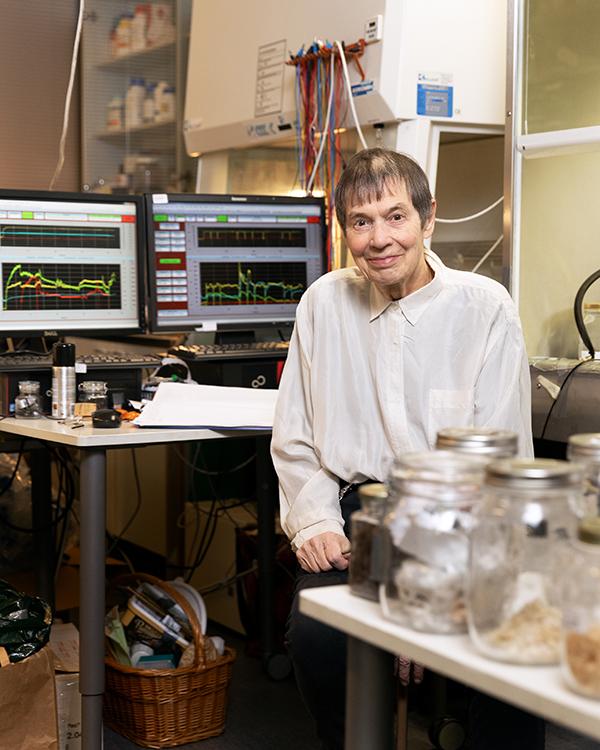
Mirja Salkinoja-Salonen

Vanha nainen istuu tuolilla tietokonepöydän edessä ja katsoo kameraan.

Mirja Salkinoja-Salonen. Photo: Riitta Supperi

Professor Mirja Salkinoja-Salonen (born 1940) is professor emerita of microbiology at the University of Helsinki and has had a renowned career. She is still doing research at the Aalto University’s Department of Electrical Engineering and Automation and is focused on adapting sensor technology in research on indoor air problems.

At the beginning of her career, Salkinoja-Salonen studied the decomposition of synthetic and chlorinated compounds and focused mainly on paper pulp bleaching agents. Her research was very influential in the wood and paper industry’s decision to stop using chlorophenols, which are poisonous compounds that accumulate on lake and river bottoms.

Since the 1990s, Mirja Salkinoja-Salonen has studied the connection between chemicals and health in construction sites and housing. The PHMB compounds used in paints, glues, disinfectant and cleaning products, and cosmetics have turned out to be harmful especially in indoor air.  Salkinoja-Salonen’s research has shown that attempts to use chemicals to prevent or correct indoor air problems can at worst produce poisonous compounds that cause permanent damage to human nerves and the immune system.

Salkinoja-Salonen has combined technological, chemical, and microbiological research in exceptional ways. She has had no qualms about presenting research findings even when they recommended things that contradicted prevailing procedures in the food or construction industries or in agriculture.

Salkinoja-Salonen has received an honorary doctorate in technology from the Aalto University, and she invited to become a member of the American Academy of Microbiology in 2013.

The award is conferred for purifying the air, earth, and waters and for improving our health.

Cultural Foundation pays out EUR 31.5 million; major grants for research on ancient DNA and future technologies

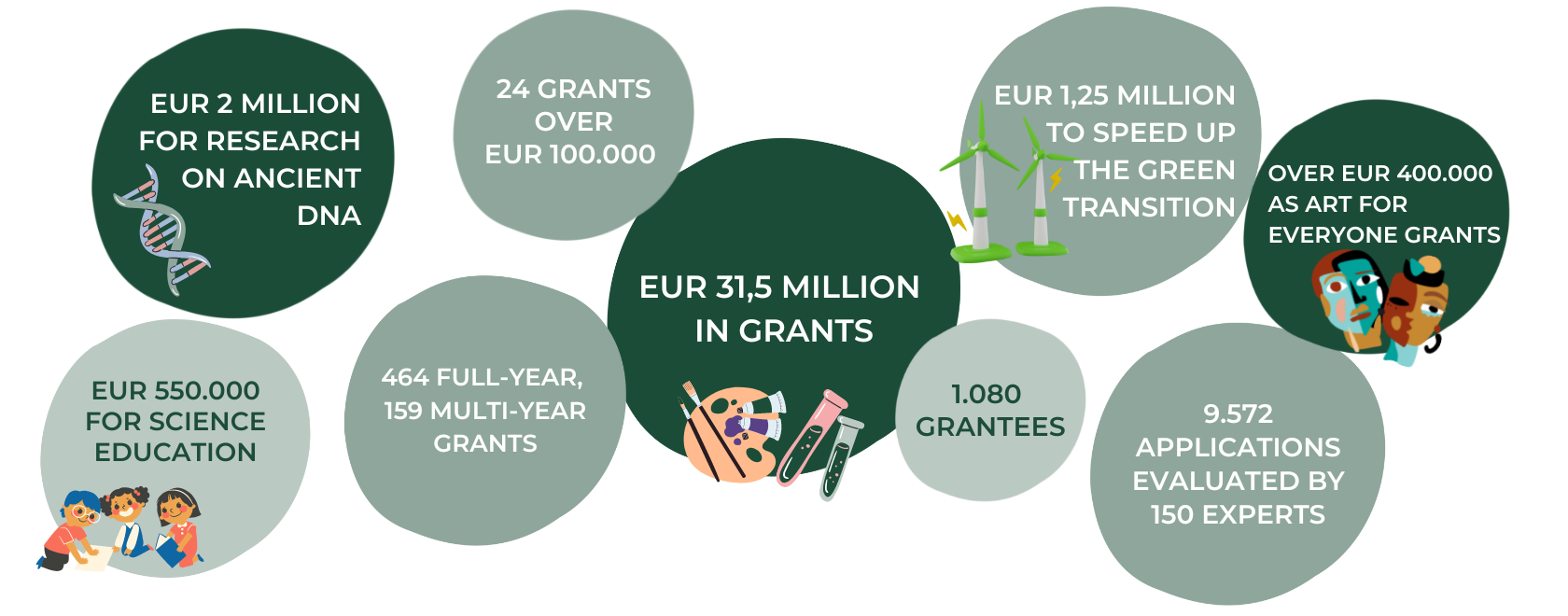
The October round is the largest of the Finnish Cultural Foundation’s four annual application rounds. This year it led to grants totalling EUR 31.5 million. All in all, the Finnish Cultural Foundation supports the sciences, the arts and culture in Finland with nearly EUR 60 million each year.

In October, the foundation received nearly 10,000 applications, of which 1,080 were successful. Of these, the sciences accounted for 61% and the arts for 38%. The special-purpose grants of the application round were this time focused on the sciences. “Research on ancient DNA received the biggest grants of the year, totalling EUR 2 million. In contrast, we also reached towards the future by funding the development of new materials and technologies that aim to speed up the green transition with EUR 1.25 million,” says the Chair of the Cultural Foundation’s Board of Trustees, Hanna Hiidenpalo.

On an annual level, the distribution between the sciences and the arts evens out thanks to the Cultural Foundation’s many arts-focused projects and special-purpose grants.

The Cultural Foundation has been aiming to increase the number of full-year and multi-year grants, which allow grantees to work full-time on their academic or artistic pursuits. The Foundation now granted 464 full-year grants and 159 multi-year grants, of which seven were for four years.

On average, one in ten applications were successful. The acceptance rate varies depending on the discipline, however, because the distribution of grants is determined by the purposes specified by the Cultural Foundation’s donors.

“Many of our donors have wished to support various medical fields. This is why we are able to give out significant grants, such as the EUR 250,000 received by the team led by Anu Kauppinen, PhD (University of Eastern Finland) for research on the development of medications against age-related macular degeneration,” explains Juhana Lassila, the foundation’s Director of Cultural Affairs.

The number of arts applications the foundation receives is clearly on the rise. “We receive huge numbers of applications particularly in the field of visual arts, where there seems to be a great need for funding,” Lassila says.

The grant applications submitted to the Finnish Cultural Foundation are processed by panels formed by experts in the field in question, who change annually. This year, applications were reviewed by around 150 experts. “We encourage our experts to pick the applicants they find convincing, to whom they would like to give an opportunity. The decisive factors are quality and the appeal of the subject,” says Lassila.

The Cultural Foundation has amassed assets totalling nearly EUR 2 billion through small and large donations received over eight decades. The basic capital was obtained through a national fundraising campaign in 1938, to which 170,000 Finns donated. Grants are paid out according to purposes specified by various donors; hence, the Foundation is able to support highly diverse initiatives in various fields of academia, arts and culture.

Nine research projects working to unlock the secrets of ancient DNA

The Cultural Foundation supported research on ancient, environmental and sedimentary DNA with special-purpose funding totalling EUR 2 million. Studies of ancient DNA have broadened the scope of methods available to archaeologists and our knowledge of the history of the human race. Environmental and sedimentary DNA, on the other hand, which lies in the layers of the earth, provides data on past and present ecosystems.

“Research related to ancient, environmental and sedimentary DNA is a quickly developing field around the world. We wanted to provide this major funding to promote the field in Finland and to encourage scientists from various disciplines to work together,” explains the Finnish Cultural Foundation’s Secretary General, Antti Arjava. “Ancient layers contain data on topical phenomena, such as climate change, pandemics and biodiversity loss.”

The funding was shared between nine research projects. The team led by Petri Auvinen, PhD, is studying post-ice age ecosystem changes (University of Helsinki, EUR 400,000); the team led by Professor Antti Sajantila is studying ancient peoples and the microbes they carried (University of Helsinki, EUR 400,000); and the team led by Sanna Huttunen, PhD, studies the diversity of plants, animals, insects and biocoenoses in Finland between the Stone Age and now (University of Turku, EUR 240,000).

Read the article: Ancient DNA samples can equip us for the future

Green transition demands new materials and technologies

Another major theme of the October round of applications provides EUR 1.25 million in funding to research relating on materials and technologies promoting the green transition. “Accelerating the green transition is becoming a matter of urgency. The research topics may seem opaque to a layperson, but they might affect all of our everyday lives in the future,” says Secretary General Arjava.

Funding was granted to six projects, including the research conducted by the team led by Antti Karttunen, PhD, on materials that can turn heat loss into electricity (Aalto University, EUR 200,000); the team led by Jussi Toppari, PhD, for developing higher-efficiency solar cells (Nanoscience Center at the University of Jyväskylä, EUR 250,000); and the team led by Yagut Allahverdiyeva-Rinne, PhD, on the development of biohybrid technology using photosynthetic bacteria and sustainable materials (University of Turku, EUR 200,000).

Read the article: The green transition requires new materials and technologies

Major grants for forest bathing and the cultural history of the Baltic Sea

Twenty-four grants with sums exceeding EUR 100,000 were awarded. Recipients included Heikki Hyöty, M.D., and his team for research on the prevention of allergies using daily forest baths in early childhood (University of Tampere, EUR 200,000); Professor Anu Kantele and her team for research on the effectiveness of faecal microbiota transplants in preventing repeated urinary tract infections (University of Helsinki, EUR 170,000); the Helsinki Baroque Orchestra for a project on Baltic Sea cultural history of the eighteenth century (EUR 110,000); and musician Harri Lidsle for the Brass Academy 2.0 education project (EUR 100,000).

Subjects related to visual impairment received just over EUR 500,000, with Jonna Heynke, MPhil, receiving EUR 28,000 for writing the memoirs of a guide dog, and Rajataide ry from Tampere receiving EUR 30,000 for audio descriptions of contemporary art for the visually impaired.

Subjects related to endangered Finnish minority cultures include the PhD thesis of Lindsay Doran, who received a grant for a comparative study of education policies within Finnish Sámi and North American Indigenous residential school systems (EUR 28,000). Suvi West is examining the status of Sámi women, the tension points related to indigenous artistry, and the search for the power of foremothers for her book (EUR 28,000).

Science Education, Art for Everyone and Eminentia as special purpose grants

Science education for children and adolescents was a special theme for the first time in the October round. All in all, eight grants related to the topic were awarded, totalling EUR 550,000. They went to universities, associations and foundations around Finland, for purposes including field courses at research stations in Lapland (University of Helsinki, EUR 96,000), the development of the outdoor classroom concept (Lastu School of Architecture and Environmental Culture in North Savo, EUR 72,000), and the development of multimedia mathematics clubs (MAOL ry, EUR 50,000).

Art for Everyone grants (previously known as Art for Institutions) have been given out since 2014. Their aim is to increase the opportunities of people in need of care or support to experience high-quality art. This year the sum total of these grants was just over EUR 400,000. Pyry-Pekka Jaala, M.Ed., and his team received EUR 25,000 for producing a rap music project for adolescents at risk of marginalisation; and Elina Airikkala, M.A., received EUR 33,000 for implementing the lap rya method among the aged, those lacking language skills and the disabled.

The Cultural Foundation’s EUR 25,000 Eminentia grants are intended for reflection on and sharing of one’s own scientific or artistic life’s work and the experience gained from it to benefit others, in written form. Among the eight Eminentia grantees were Professor emeritus Matti Kortteinen for writing a book on the combination of diverse materials in empirical social studies; Marjo Kuusela (member of the Academy of Finland) for writing about her thoughts on her life in dance and theatre; and Professor emeritus Tapio Vapaasalo for collecting his experiences related to design, communication and teaching.

Next application round in March

The Cultural Foundation will next be accepting applications in March 2023. Applications are invited for instrumental loans and mobility grants, as well as Art2 grants, which are intended for high-quality art projects that strive to reach larger audiences. Publishers can apply for grants for translating world literature into Finnish.

More information 

The green transition requires new materials and technologies

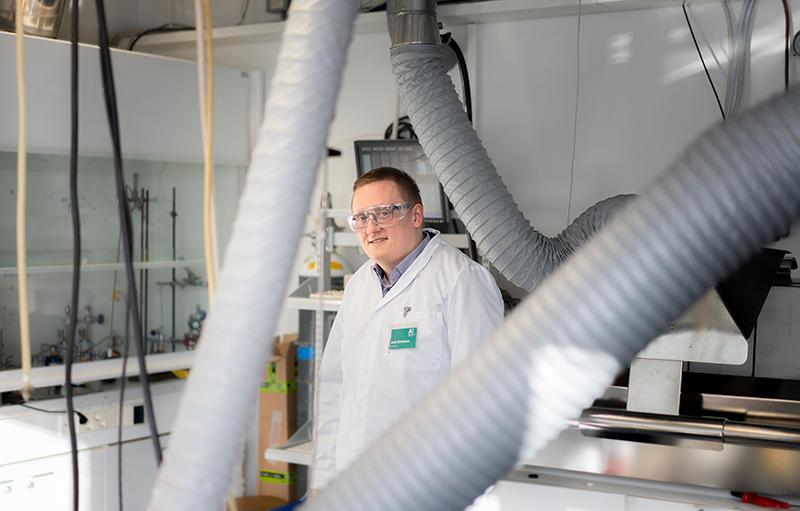
Mies valkoisessa laboratoriotakissa seisoo laboratoriossa putkien takana.

Fil. Dr. Antti Karttunen. Photo: Petri Summanen

Text: Elina Venesmäki

Could lost heat be recovered more efficiently? This is the subject of research for Ph.D. Antti Karttunen and Ph.D. Maarit Karppinen and their teams at Aalto University.

The Finnish Cultural Foundation decided to grant EUR 1,25 million euros in funding on the theme of “new materials and technologies for the green transition”. Karttunen and Karppinen’s teams were among the grantees.

“We are researching how to turn heat loss into electrical energy,” Karttunen says.

Say someone burns wood in a fireplace to save on heating energy, for example; could they collect the extra heat and turn it into electricity to charge their phone?

Our researchers are looking into this. Server rooms, for instance, generate huge amounts of heat, but usually it is fanned out. In Finland it is used for heating in winter, but at other times and in other parts of the world it is mostly just lost.

That doesn’t have to be the case. The scientists are focusing on a technique called atomic layer deposition (ALD), which creates thin films. These are used to turn heat into electricity.

Karttunen demonstrates a device smaller than a mobile phone, that is already capable of doing so.

The technology is already 50 years old, but it has two problems: first, it is not very efficient; second, it involves rare metals, which means it cannot be universally applied.

These are the issues Karppinen and Karttunen are looking to solve in order to make the technology widely reproducible.

“We want to use a material that appears commonly in the earth’s crust, such as iron,” Karttunen says. The metals currently used in the devices are also toxic, so they are searching for a safer material.

Heat loss is everywhere

An electric car’s batteries produce heat loss, as do industry, computer rooms and even the human body. Could a film created through ALD be added to a sports shirt and the heat generated during a gym session be used to charge a mobile phone?

“Collecting heat from a gym shirt is a small step, of course. But electric car batteries and data centres generate huge amounts of heat that is wasted in most parts of the world.”

These issues mentioned earlier must be solved before anything major is created. So where could one find a commonly available, safe material, and how does one make the device as efficient as possible?

The research team has access to an ALD machine around one metre in width, height and depth. A test piece can be placed inside, and it will be coated in a film that collects heat and turns it into electricity.

“Green steel production is currently a hot topic. Soon steel manufacturers will be able to use hydrogen, which will cut carbon dioxide emissions. This is fine, but it will still generate huge amounts of heat loss,” Karttunen says.

Novel solar cells

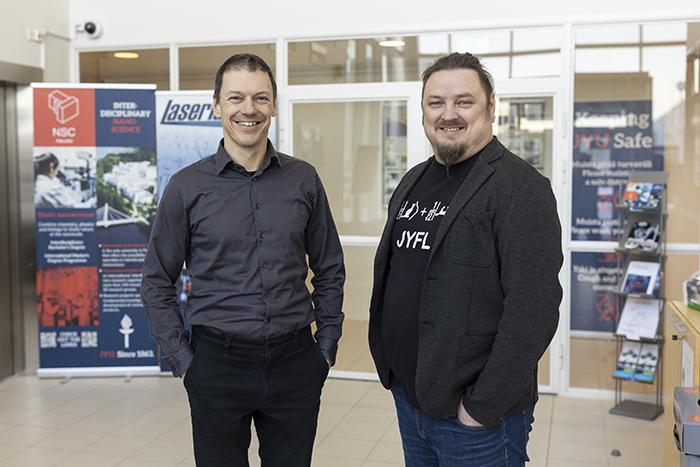
Kaksi miestä seisoo isossa huoneessa. Taustalla Jyväskylän yliopiston juliste.

Professors Gerrit Groenhof and Jussi Toppari. Photo: Jiri Halttunen

Professors Jussi Toppari and Gerrit Groenhof and their research teams at the University of Jyväskylä are also working to further the green transition. They received the same funding to create more efficient and ecological solar cells.

Currently there are two types of photovoltaic cells: organic and inorganic (semiconductor-based).

The efficiency of organic solar cells is only just over 10 per cent. Semiconductor-based solar cells are mostly seen on ordinary roofs because they are much more efficient and durable than organic ones, but even their efficiency is not great. Typical silicon solar cells capture and process around 30 per cent of the energy radiated by the sun.

Toppari and Groenhof want to take this further: they want to collect energy from a large area onto one or a handful of molecules, from where it goes into storage.

“We are already able to make molecules transfer the energy they receive from light really efficiently from a large area onto one molecule. The bottleneck is how to move it on from there,” Toppari explains.

Target: more power

The subjects of study here are on a very small scale, measured in nanometres (one billionth of a metre).

There are many molecules that can collect photons, i.e. absorb light. Having absorbed a photon, the molecule becomes energized. It can transfer this energy on to another molecule, for example, or emit an electron, which creates an electrical current. This is the operating principle of some organic solar cells.

“We are taking this further in that the photons are not absorbed directly into the molecules but become coupled with metallic nanostructures. This turns the light into a surface plasmon, which becomes coupled much more strongly and with several molecules at a time.”

The surface plasmon and the molecules form a single space among which the energy spreads. This permits high-speed energy transfer between the molecules. The scientists intend to utilise this property in a new type of cell.

They have already demonstrated that light can couple with several molecules. This three-year grant period will focus on how the energy can be passed forward once it is collected.

“This period gives us time to build a prototype and prove that it works.”

Ancient DNA samples can equip us for the future

Mies valkoisessa takissa laboratoriossa.

Geneticist Petri Auvinen running a project examining two types of samples that take them on a journey far back through time. Photo: Petri Summanen

Teksti: Emma Nikander

Ancient DNA can reveal a lot about the history of people and the environment. At the same time, it can provide answers to some of today’s most pressing questions, such as biodiversity loss, climate change and pandemics.

The boring of sediment samples from the soil provides data from a very long time period: so long that it could not be accessed in any other way. For example, the deepest sediments of our 10,000-year-old Baltic Sea contain records of the sea’s whole history. Samples can be used to study the sea’s ancient and current organisms and to obtain information on the state of the environment during various periods.

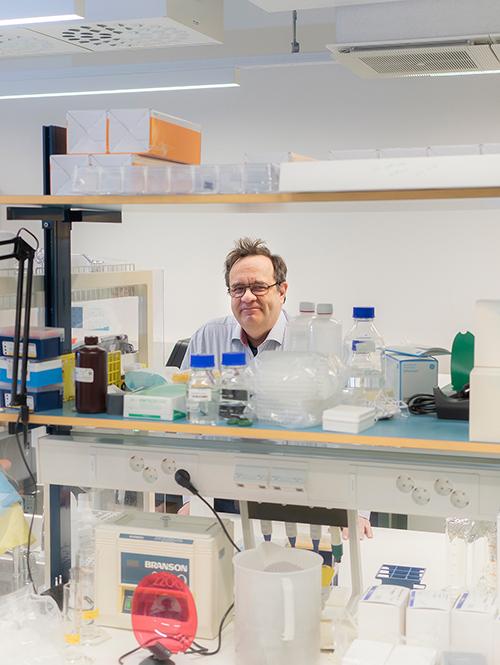
Geneticist Petri Auvinen and his team are running a project examining two types of samples that take them on a journey far back through time. In addition to sediment samples from the Baltic Sea, they are boring a second series of samples from a bog in Tammela, whose deepest parts can provide data on a similarly long period.

If DNA can be isolated from these samples, scientists can examine it for evidence of the historic microbes, flora and fauna of the region. The samples may also show what the soil was like and what happened to it when the climate changed.

This may help us to understand our current climate change, Auvinen explains: “It is easier to predict the future when you know what has happened in the past. Marine sediments and marshlands have been recording conditions for thousands of years without asking any questions. In this case, we can use history to reach into the future.”

What did the people buried at Levänluhta die of?

Studies of ancient DNA can also provide valuable information on people’s lives. A project conducted by Professor Antti Sajantila and his team is examining ancient DNA from remains recovered from two different kinds of burial sites from different periods. These are the tar pit grave in Ruukki, south of Oulu (northern Finland), and the waterlogged burial site of Levänluhta in Isokyrö (South Ostrobothnia) and the nearby Käldamäki burial site.

Ihmisiä istumassa rappusilla

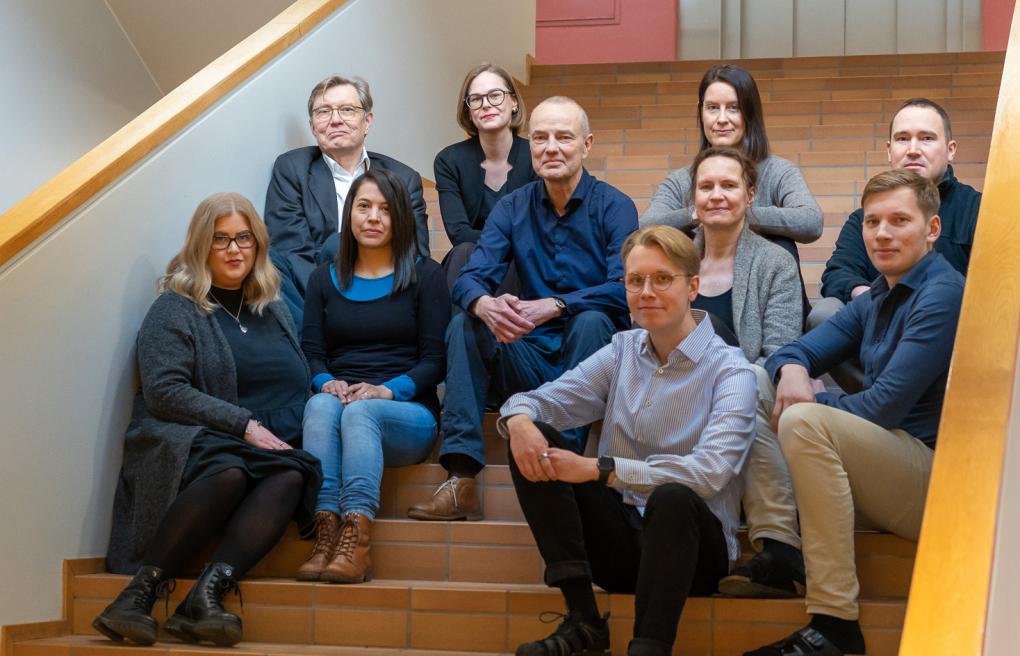
Professor Antti Sajantila with his working group. Photo: Petri Summanen

Besides the people who died, the team is interested in the viruses and bacteria they carried. By studying the human and pathogen DNA in the remains, the team is seeking to find out who the deceased were, what population group they belonged to and anything about their state of health or cause of death. They also want to know when the people lived and what they ate. Were they related? That can also be revealed using molecular research.

The Levänluhta burial site has been known since the 1670s, and it has been investigated using different methods for over a century. Diverse theories as to how the bodies ended up there have been suggested over the years, explains Professor Antti Sajantila of the University of Helsinki.

“The Ruukki area seems to be a burial site from a specific time period, whereas Levänluhta appears to contain remains spanning several centuries of the Iron Age.  And not just human remains but also animal ones. Perhaps our research will show whether they died of an epidemic or of malnutrition, for example.”

The multidisciplinary research team includes experts in molecular genetics, forensic pathology, molecular virology and isotopes, as well as archaeologists. “Information produced by a single discipline would be significantly less valuable without the other fields to support it,” Sajantila says.

Data on the movements of hops and apples

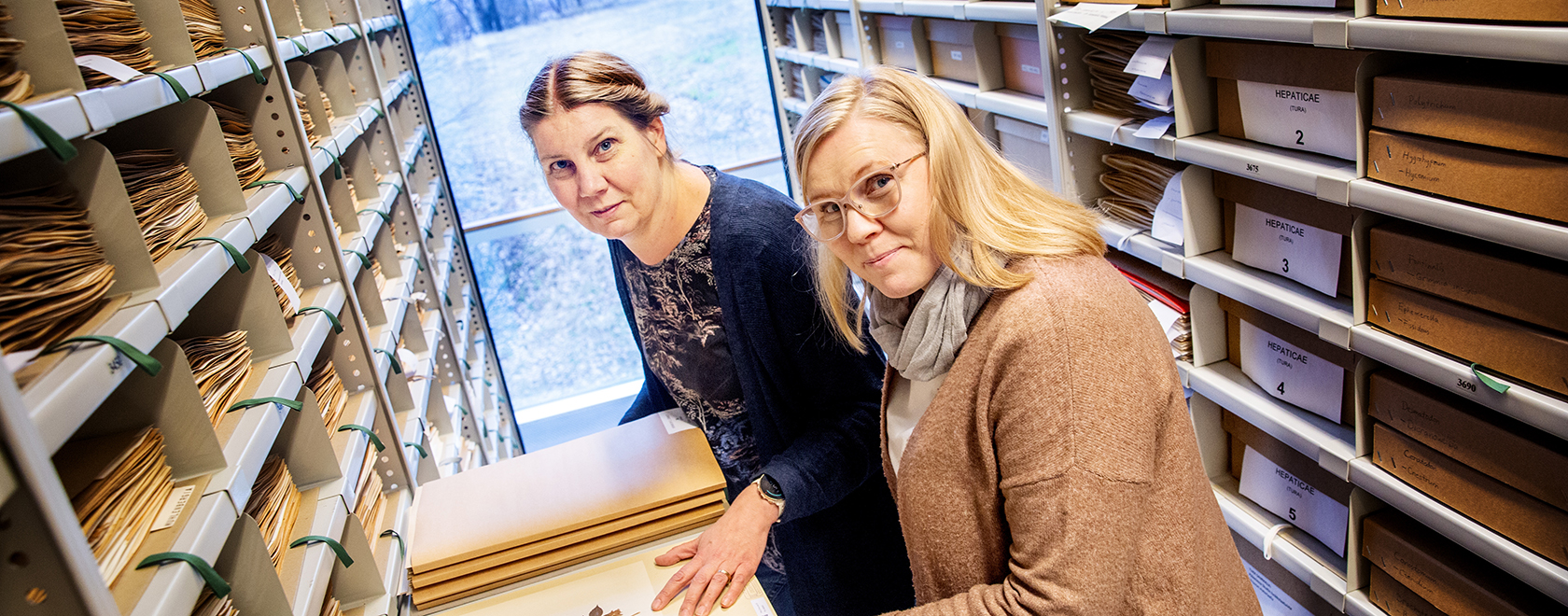
Kaksi naista pöydän ääressä. Takana vihreä kaappi.

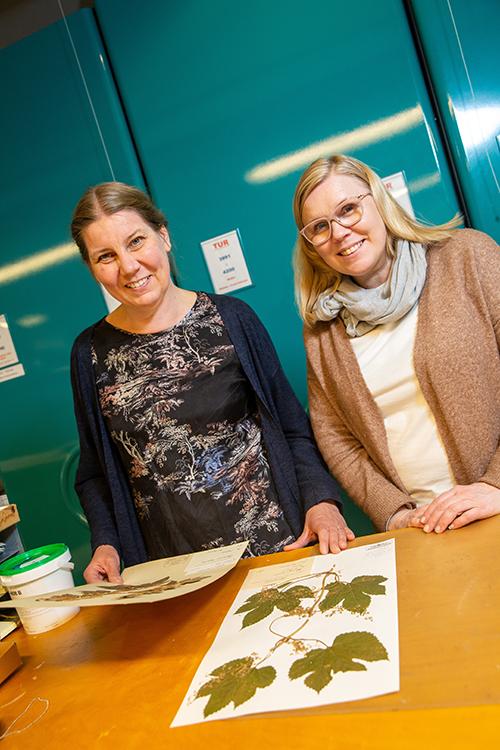
Biologist Sanna Huttunen (left) ja archaeologist Mia Lempiäinen-Avci. Photo: Robert Seger

Information on ancient peoples and their ways is not only obtained by studying human DNA. Samples found at two archaeological sites – Stone Age Humppila and Medieval Turku Cathedral School in Finland – may generate data for example on the strains of hops and wild apple used in Finland. They are being studied by biologist Sanna Huttunen and her team at the University of Turku.

“We are trying to find out, among other things, what strains were used in various parts of Finland, are they related to today’s heritage or wild varieties, and how they spread,” Huttunen explains.

This information will then be compared with historical and modern data possessed by scientists at the Natural Resources Institute of Finland, Finland’s museums of natural history and individual researchers, among others, who are partnering with the project.

In Humppila (southern Finland), Stone Age strata have become buried in layers at the bottom of a paludified (filled-out) lake. The flora and fauna preserved in the peat can now be identified more accurately than before, using DNA barcoding. After that the team can examine whether they show evidence of settlement from 4,000 years ago. DNA methods can also be used to identify flora and animal remains that have previously not been recognised. This can show whether some of them were farmed grains, for example.

“That would be one of the earliest signs of agriculture in Finland,” explains the team’s archaeologist Mia Lempiäinen-Avci from the University of Turku.

Hops were very widely grown in the Middle Ages – almost by every household. Genetic data can show us how people spread various strains of the plant. Here, too, the past can help us equip for the future: if a specific strain of hops appears to have survived through the ages, it may have potential to cope well in the uncertain times ahead.

The samples are already in existence, so there is no need for new digs. Therefore the project will focus on examining them with microscopes and in labs, Huttunen explains. Every member of the multidisciplinary research team has their own areas of responsibility and expertise.

“The starting point for the research was that we have access to expertise and diverse data that can be seamlessly combined to achieve results that no one could produce by themselves.”

Demand for ancient DNA research

The 2022 Nobel Prize in Physiology or Medicine went to biologist Svante Pääbo, who ran research that revealed the Neanderthal genome and led to the discovery of a whole new human species. The prize had a significant impact on the status of ancient, environmental and sedimentary DNA research, mentions Sajantila, who himself worked in Pääbo’s laboratory at one point.

Until now, ancient DNA research has lagged behind in Finland, and our extensive bodies of data have been under-researched, according to Lempiäinen-Avci. “I am thankful that the Finnish Cultural Foundation supports this highly necessary topic.”

“This kind of research teaches us to value our history and our special characteristics. All sorts of things may be revealed once we begin to examine data that has previously received little attention,” Huttunen explains.

In 2023, the Finnish Cultural Foundation granted EUR 2 million in funding to research projects focusing on ancient, environmental and sedimentary DNA. The aim was to increase cooperation between research teams from various disciplines, thereby strengthening the field as a whole in Finland.

Susanna Pettersson becomes the Finnish Cultural Foundation’s CEO

Susanna Pettersson, PhD, has been the director general of Sweden’s Nationalmuseum since 2018. Before that she was the director of, e.g., Ateneum Art Museum/Finnish National Gallery, the Finnish Institute in London, the Alvar Aalto Foundation, and the Alvar Aalto Museum and has been in various posts at the Finnish National Gallery. She has a PhD in art history from the University of Helsinki, is an adjunct professor of museology at the University of Jyväskylä and has been on the board of trustees of many organizations in Finland and abroad.

“Susanna Pettersson’s strong expertise and wide-ranging experience in art and foundations and as a scholar provide excellent qualifications for leading one of Finland’s largest foundations and developing its activities and effectiveness”, says the chair of the Finnish Cultural Foundation’s board of trustees, Hanna Hiidenpalo.

“The Finnish Cultural Foundation is very active in supporting the sciences and arts and in enabling new ideas. The foundation’s role in building a pluralistic society is especially important in these times. I’m truly glad to be able to join the Finnish Cultural Foundation’s competent and committed team”, Pettersson says.

The Finnish Cultural Foundation’s current secretary general, Professor Antti Arjava, will continue in his post until 31.5.2023 and then retire.

The Finnish Cultural Foundation is one of Finland’s largest privately funded foundations. The assets of the Foundation are based on donations and bequests received over more than 80 years. The assets are divided between a Central Fund, regional funds, and nearly 900 donor funds. They amount to almost 2 billion euros.

The Finnish Cultural Foundation uses almost 60 million euros annually to promote Finland’s cultural life through grants and projects. It has about 30 full-time employees and is represented throughout Finland by its regional funds.

One million euros’ worth of plain-language books for children who struggle with reading

The Cultural Foundation is initiating a two-year project, which involves donating a book package to all schools in Finland that teach years 7 to 9 (lower secondary school). The package will contain 50–150 specially produced or recently published plain-language or easy-reading books. The project will be carried out by the Finnish Institute for Children’s Literature.

The target audience are lower secondary pupils who for one reason or another are as yet unable to read books in standard language but can aim to do so with practice. The causes behind reading difficulties may be lack of practice or motivation, diverse attention deficit disorders, dyslexia or having an immigrant background.

Teachers will be offered training and materials for using plain-language and easy-reading books. At the same time, the current selection of plain-language literature will expand with the commissioning of new books for the packages.

“The adolescents who benefit from plain-language books are interested in reading the same books as their peers, so they are looking for plain-language adaptations of popular works,” explains Kaisa Laaksonen, executive director of the Finnish Institute for Children’s Literature. There is demand for more horror, detective, fantasy, sci-fi and romance books, as well as for non-fiction, including biographies of athletes and other celebrities. At the start of the project, a survey will be conducted to find out in further detail what kinds of books might encourage the pupils to read more.

“Many of the plain-language books that are available for young people are too easy, while standard-language ones are too hard. We need a more diverse selection,” says Finnish language and literature teacher Elina Mäntylammi from Juhannuskylä School in Tampere. “There is a huge shortage of plain-language texts in schools. This book donation will make life easier for teachers, because it will allow us to offer reading material to suit various readers.”

Plain-language books can inspire the less confident readers

Literacy has declined among Finnish children and adolescents during the twenty-first century. As many as 14 per cent of those graduating from comprehensive school lack sufficient reading skills for coping with everyday situations.

Plain-language books are used in Finnish lower secondary schools to respond to various reading difficulties. Children suffering from dyslexia or attention deficit issues can read them instead of books in standard language, which may be too difficult, while those who speak Finnish as a second language can use them as learning materials. Those who lack a routine or motivation for reading can use plain-language books to awaken their interest and practise their technique. Plain-language adaptations make it possible for readers of all levels to carry out group work together. Through practice with plain-language books, some can move on to easy-reading books and, eventually, standard-language ones.

Although the need for plain-language books has grown in schools, school libraries tend to stock a very limited selection. “Buying plain-language books for schools is difficult and expensive. Thanks to our support, the selection of new plain-language books that lower secondary schoolers have access to will grow considerably”, says author Karo Hämäläinen, who sits on the Cultural Foundation’s Board of Trustees.

The Cultural Foundation has been working consistently to improve reading skills in Finland. The aim of its Reading Gifts for Children programme, initiated in 2019, is to encourage families with young children to read aloud. This is done by handing out book bags via maternity and paediatric clinics. The Reading Clans project, on the other hand, focused on improving school libraries and their selections between 2017 and 2019. Since 2017, the Cultural Foundation has supported reading in Finland with around EUR 5 million in funding.

Hanna Råst, 2022, Fabrikken

Text: Athanasía Aarniosuo
Photos provided by the artist

My call finds Hanna Råst at her flat, where she spends a lot of her time reading and researching. A lovely old atelier apartment, it is not a space she wants to get messy. For that she has a studio space in Roihuvuori, in a building where over thirty artists work. She enjoys working, if not always with other artists, definitely near them. Which is why she enjoys spending time at artists’ residencies, too. She enjoys the space and the time they provide to experience new environments and think without being forced to produce. In her practice, Hanna works in a variety of media, using archival material – often photographs – in order to investigate topics of memory, remembering, and past trauma. Having time to reminisce and remember is crucial.

Hanna remembers her time in Copenhagen’s Fonden FABRIKKEN for Kunst og Design residency fondly. The three-month period (between April and June 2022) was long enough for her to do a lot of intensive research, read and think, experiment with new techniques, as well as take in the city and its people and galleries. Fabrikken offered Hanna the opportunity to put on an exhibition at the end of the residency period, but she felt she needed to focus on her work, without the pressure of a final outcome. She enjoyed the relaxed atmosphere, having long conversations with the other artists with whom she shared ideas and opinions. Curators’ visits were also organised by Fabrikken.

All in all, Hanna found the residency period relaxing, fruitful, and necessary, and the residency itself very well organised. The only thing she wishes had been a little more convenient is the distance between her accommodation and her studio. At 8 km apart, and with no conveniently located public transportation stops nearby, swapping between the two spaces meant 16 km of daily cycling, often carrying heavy loads, no less.

From light mobiles to heavy sculptures

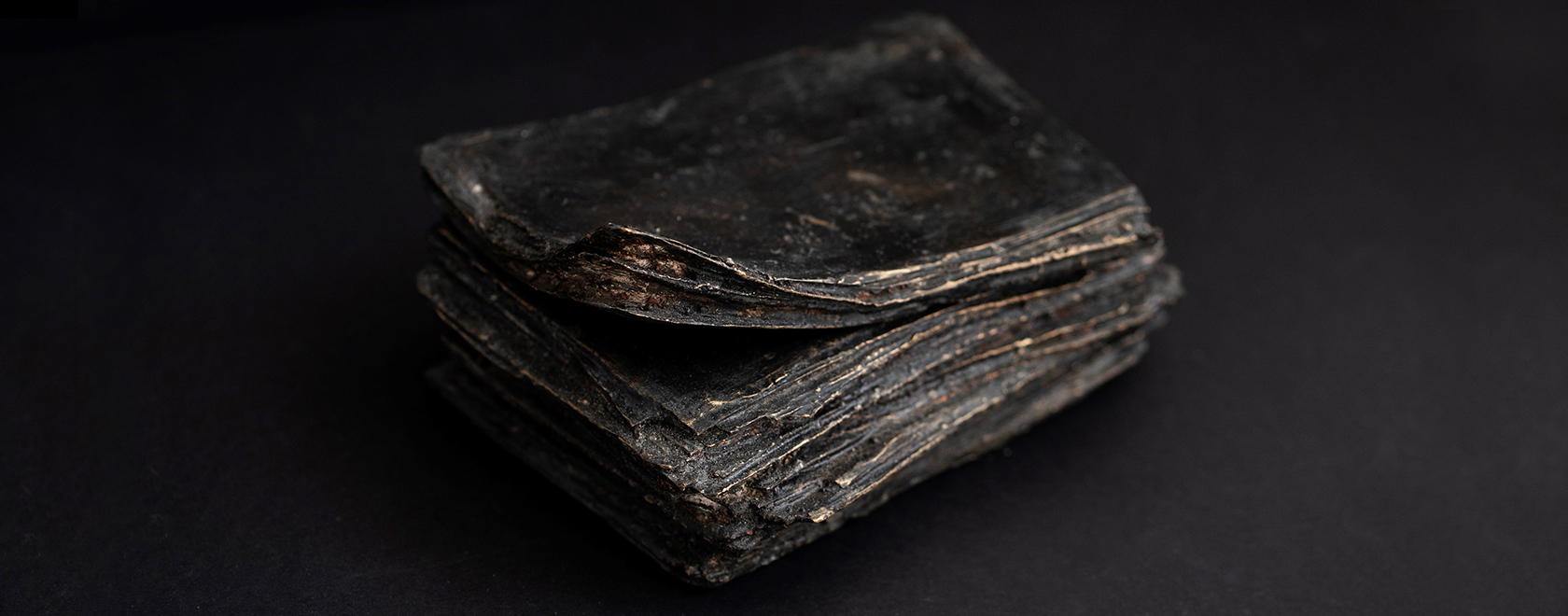
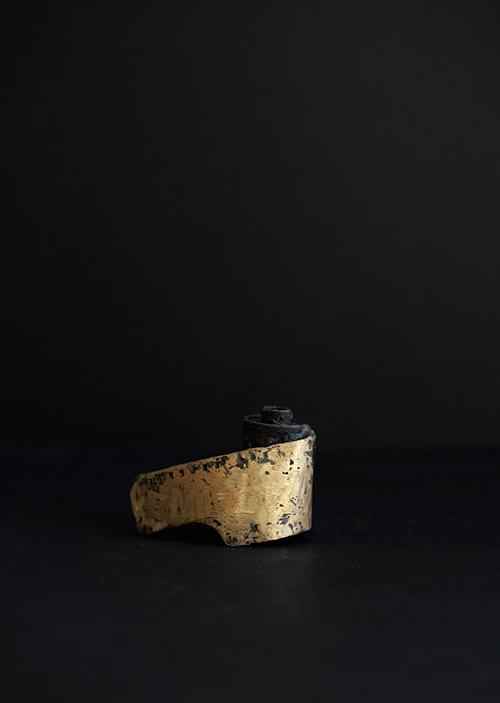
Expose me not, 2022. Bronze. Approx. 5x3x2,5cm.

Expose me not, 2022. Bronze. Approx. 5x3x2,5cm.

Originally, Hanna intended to spend her time at Fabrikken working on a mobile sculpture consisting of metal frames and some old photographs from Hanna’s personal archives. However, transporting all the materials to Copenhagen only to have them shipped back soon after seemed a little too complicated. When she expressed her worries and wishes to the staff at Fabrikken, they were eager to suggest she worked at Vestsjællands Arbejdende Kunstværksteder (VAK) instead, creating bronze casts. Working with bronze casting was something Hanna had loved when she was still in art school but hadn’t had the space for since 2016, so she jumped at the idea.

The workshop, Hanna tells me, was an open, friendly place, where everyone worked next to each other, sharing ideas and processes. Hanna felt warmly welcomed, and she was able to complete, with the kind assistance and supervision of the workshop master, two small sculptures and a few experimentations during her time working there. As bronze is such a heavy material, Hanna thought the heaviness of the objects created should reflect heavy themes as well, which is why both sculptures, albeit small, are heavy with memories and thoughts.

With using photography as a starting point, the sculptures deal with the weight of one’s past. The weight of a memory is a mental, spiritual weight; giving that weight material form is what Hanna set out to do at VAK.

For the first of the two sculptures, Hanna used a pile of old family photographs. The shape of the pile, when cast in bronze, doesn’t give away any of the memories present in the photographs themselves. In a way, in erasing the content of the photographs, Hanna creates a space for the viewer to reflect on their own past and on their own memories. What moments are kept in photographs? Which moments does each one of us value worth keeping, moving with us from flat to flat, in albums, or in shoeboxes, kept with us through the years?

The sculpture is very small – the actual size of a pile of photographs – but very heavy, approximately 7 kgs. The weight is important and emphasised the weight of the memories themselves. When those memories are destroyed, or erased, we are left with blank spaces, with holes where the memories should be. What happened in the past? Why can we not remember?

The second sculpture reflects upon these same topics, investigating matters of erased memories and hidden parts of the past. A roll of a film acts as a metaphor for lost memories, a container of memories we can no longer access.

The first one of these sculptures, called Muiston paino / Weight of Memory (2022), is currently on display as a part of the group exhibition “In Continuous Dialogue: Tracing Memories” curated by Noora Lehtovuori. The small sculpture exhibited at gallery Oksasenkatu 11 is deceptively heavy, and Hanna encourages visitors to lift it up and feel its weight. The exhibition can be visited until the 29th of January 2023.  The exhibition is the first of two, with the second one coming up in November 2023. For the second part, Hanna intends to create a new work, dealing with similar themes of remembering, forgetting, and weight.

Remembering and forgetting

Hanna has always been curious about how memory works, possibly because her own memories of the past are often vague. Using her background in photography as a starting point, she likes to investigate the role of a photograph in remembering – and forgetting. Most of us have photographs from our childhood, of events that we cannot actually remember, the photograph acting as the only proof that something did really happen. Some of us also have false memories; we think we remember something happening, only to realise that what we actually remember has been reconstructed from a scene we have seen in a photograph.

Sometimes the memories we do not have are actually more meaningful than the ones we do. Hanna is interested especially in the gaps in our memory; the things we find too painful to actively remember have a way of making themselves present in their absence. They leave gaps, holes in our memory that are so big and so obvious that we cannot ignore them. Our minds have interesting ways of dealing with these gaps, the remnants of painful memories. Sometimes we try to fill them in, creating new versions of the past within our minds. Those fake memories are shifting, however, as the way we look at our past changes as we live and grow.

Hanna intentionally looks into the gaps and the absences that tend to cover up painful memories. Her gaze does have sympathy and kindness, too – not only sorrow.

Archeological sites

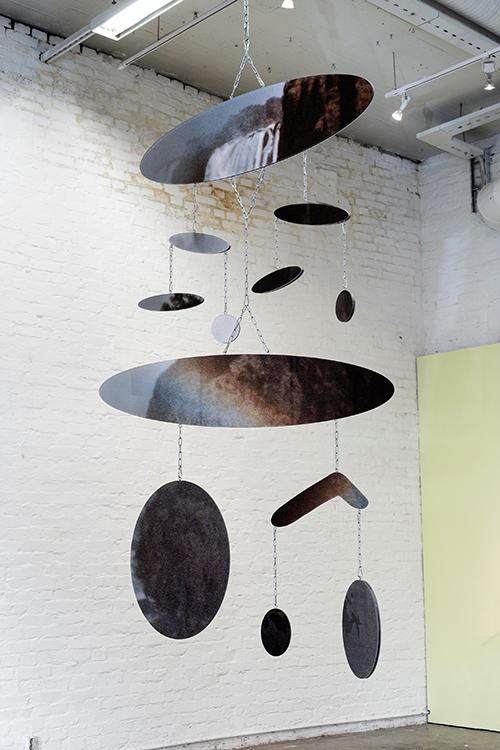
Vertigo, 2021. Mobile. Approx. 1,5 x 1,5 x 3,5 meters.

Vertigo, 2021. Mobile. Approx. 1,5 x 1,5 x 3,5 meters.

This introspective research into one’s own past and memory finds another way to manifest itself in the form of Hanna’s other current and ongoing project, one that she started researching while at FABRIKKEN. While the bronze sculptures deal with forgotten personal memories, this other project – that Hanna refers to as her “archeological project”or a “project of ruins” – deals with collective memory and looks into the land that Hanna’s family has owned for generations. The land has been lived in since the 17th century and Hanna herself remembers it from her own childhood.
With signs of population and ruins scattered around the now overgrown area, the project has encouraged Hanna to acquaint herself with archaeological research methods and techniques. Although Hanna has already spent some time researching the area and reading about it, the final form of the work is still unknown. At first, Hanna thought the research would result in a site-specific piece, situated in the area itself, but now it seems that the area will only present itself in the work as a premise.

The questions the project raises are many and varied. Does investigating the past also help re-evaluate the future? Who has the right to a land? Does designating the area for some people automatically mean that it excludes others? These are questions that Hanna is hoping to, if not answer, at least assess.

Current processes and future plans

Hanna’s time at FABRIKKEN instigated many processes, the results of which are seeing the light of day currently and in the future.

A public art project commissioned by Helsinki City and Helsinki Art Museum HAM was being finalised during the time our discussion took place and is now fully installed at a primary school in the Pohjois-Haaga neighbourhood in Helsinki. The 33-metre-long installation titled Chronology comments on the many layers of history. A book of poetry is planned to be published this spring. Published by the Yö ry association, the book is a first for both the association and Hanna. Hanna is also looking to travel to Rome’s Villa Lante this year, supported by Wihuri Foundation. There, just like in Copenhagen, Hanna may find herself researching a space that is simultaneously strange and familiar, a memory of a place that doesn’t quite match reality.

Finnish Cultural Foundation’s residency programme is maintained and developed in collaboration with HIAP – Helsinki International Artist Programme.

Applications opening for Regional Funds: EUR 13 million available

In the January round, the Regional Funds give out grants to support arts and academia in their own regions. This time the round includes 16 funds, because the Uusimaa Fund only gives out grants every other year (January 2024 being the next time).

The Regional Funds award grants to applicants who live or were born in the region, as well as to academic or artistic work and diverse cultural projects taking place in the region.

Special-purpose grants common to all the Regional Funds include projects related to each region’s heritage, Art for Everyone grants and Spearhead Project grants. The additional EUR 1 million for cardiovascular research is open for applications from every region. Each region may also have its own special-purpose grants.

Support for research on cardiovascular diseases

In the January round, all Regional Funds are accepting applications for the joint additional EUR 1 million for research on cardiovascular disease. This additional funding is directed at various fields within medicine, but applications may include components related to specialist areas within cardiovascular research or closely related disciplines.

Besides research, applications may relate to funding for starting up research groups or completing projects, for example. Applicants can be individuals, teams or research consortia, and the funding can be spread over more than one year. Typically the “additional million” grants have totalled EUR 100,000–250,000 per project, but even bigger projects than that are welcome to apply. Applications are evaluated on medical grounds and on the basis of their national or international significance, without any need for a regional perspective.

Art for Everyone grants for long-term projects

The purpose of the Art for Everyone grant is to reach people who have difficulties accessing art. Potential sites for these projects include diverse institutions and assisted living residences.

The minimum sum for the Art for Everyone grants to be distributed from the January Round is EUR 10,000. The objective is that the funded projects will span a longer period, to maximise their impact. They may apply either to several audiences or to long-term work with one audience.

Special-purpose regional grants

Major grant for developing a more sustainable future

The South Karelia Regional Fund is providing funding totalling a maximum of EUR 100,000 for projects that combine art, science and technology and are linked to ecology, the circular economy or social resilience. 

Major grant for research on the energy sector

The South Savo Regional Fund is providing funding totalling a maximum of EUR 100,000 for research on the energy sector. The research subject may be the sustainable use of renewable natural resources, energy storage or other solutions related to security of supply, for example.

Speak Finnish Boldly!

The South Ostrobothnia Regional Fund has a Speak Finnish Boldly! grant in addition to its usual funding for artistic or academic work. The grant sum is EUR 3,000 and the applicant must undertake to improve their Finnish language skills during the grant period.

Planning Grant

Applications may be made to the Pirkanmaa Regional Fund for planning and developing a Spearhead or Major Project for the 2024 application round. The grant sum is EUR 2,500 and its purpose is to facilitate the planning and development of large-scale and extraordinarily demanding projects.

Further information

For more information on the Regional Funds’ grants, please refer to each Regional Fund’s subpage and to the regional information videos on the Cultural Foundation’s YouTube channel

There will be a joint grant information event for all the Regional Funds on Tuesday 31 January between 2pm and 4pm. More details will be available on the January Round’s web page close to the date.