October Round is on

The Finnish Cultural Foundation supports science, art and culture with over EUR 50 million every year, of which about EUR 30 million is open for applications this October. Typically, the Foundation receives over 9,000 applications in the October round. Some 10 per cent are successful. 

Applications are welcomed from any field of science or arts, either for the work itself or to cover expenses. Academic grants are directed particularly at doctoral theses and postdoctoral academic work. Artists may apply for grants for work or projects, while artistic communities may apply for cultural projects. The Finnish Cultural Foundation is also happy to accept applications for large-scale, multi-year projects. 

Besides the regular grants, applications can be made for a specific purpose grant. The October round includes several new special purpose grants. A total of EUR 1 million will be available until 2030 to support the revitalisation of the Finnish Romani language and Romani art and culture. The Kirpilä Art Collection Research Grant will support research related for example to art collecting. In this October round, the Additional Million-euro Funding for Science will support research on Finland’s competitiveness. 

“Many fields in the arts particularly are sounding an alarm about the difficult financial situation. The Finnish Cultural Foundation cannot fill the gaps in public funding, but we still encourage artists to persevere and build even far-reaching, large projects,” says Juhana Lassila, the Foundation’s representative for grants and culture. 

The Foundation is looking to increase the number of multi-year working grants. Applications may be made for as many as four years at a time. The annual grant sum has been raised to EUR 30,000 (EUR 34,000 for the postdoc stage). 

Familiar and new special purpose grants in October  

Besides working and expenditure grants, diverse special-purpose grants are available for specific themes and areas. 

Support for Romani Language and Culture  

The Finnish Romani language and culture will be supported through a new special purpose grant. You can apply for a grant for preparing educational materials for the Romani language, written work in the Romani language, translating literature into the Romani language, researching the Romani language and developing materials that support the Romani language revitalization. “The Foundation has awarded grants for Roma culture every year, but now it will receive a more solid and long-term support,” says Juhana Lassila.  

Read more about support for Romani Language and Culture  

Kirpilä Art Collection Research Grant  

The Kirpilä Art Collection Research Grant from the Juhani Kirpilä fund is available for application for the first time. The grant is intended for PhDs for research, the topic of which may be related to collecting art, collectors’ collections, memorial houses or artists in the collection of the Kirpilä Art Collection. “The Juhani Kirpilä Fund maintains the Kirpilä Art Collection and also provides substantial support for the work of artists and researchers. With the new grant, we want to focus on research into collecting and domestic 20th-century art, and thus accumulate knowledge on topics that Kirpilä considered important,” says Johanna Ruohonen, the Senior Advisor in charge of the grant and Museum Director of Taidekoti Kirpilä. 

Read more about the Kirpilä Art Collection Research Grant 

Additional million for science: Finland’s competitiveness in industry, business or creative fields 

The Finnish Cultural Foundation will award EUR 1 million under the theme ‘Finland’s competitiveness in industry, business or creative fields’. The funding will be used to support no more than five research projects. Eligible applicants include working groups. Universities and research institutions, however, are ineligible. 

Read more about the additional million 

Discover Science 

The Finnish Cultural Foundation wants to encourage the interest of children and adolescents in science, regardless of their place of residence and background, and to improve their ability to acquire, handle and evaluate new information. Discover Science grants can be up to EUR 150,000, and altogether EUR 600,000 will be rewarded in grants.  

Read more about the Discover Science grants 

Art for Everyone 

The Art for Everyone grant is aimed at increasing the opportunities of people in need of care or support to experience high-quality art and, in this manner, promoting cultural equality. The grant is available to artists, work groups and professional, registered art associations.  

Read more about the Art for Everyone grants 

Eminentia 

Each year, the Finnish Cultural Foundation gives out one or more Eminentia grants to scientific researchers and artists who are approaching the end of their careers. A prerequisite for the Eminentia grant is that the resulting work be published in writing as a book, online publication or a series of articles. The grant size is EUR 25,000. 

Read more about the Eminentia grants 

Ask about applications in our webinar 

Information webinars on the October round of applications will be held via Zoom, in Finnish on Wednesday 11 October between 2pm and 3.30 pm and in English on Thursday 12 October between 2pm and 3.30 pm. Experts from the Finnish Cultural Foundation will present the different grant types and give tips on making a good application. The webinars are open to all, and attendees will be able to ask questions from the speakers. 

Join the webinar here

Recordings of the webinars will be released later on the Finnish Cultural Foundation’s YouTube channel. 

Useful links 


The Singing Organiser

Text: Reeta Holma
Photos: Petri Summanen

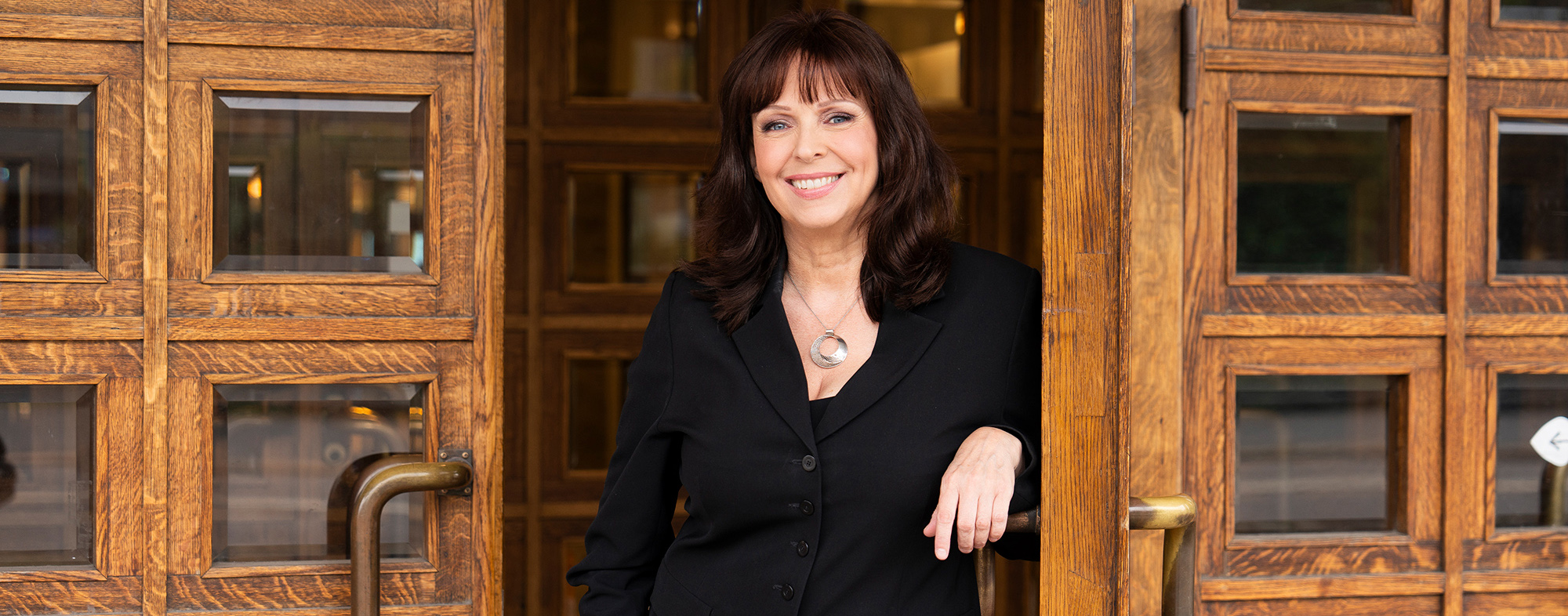
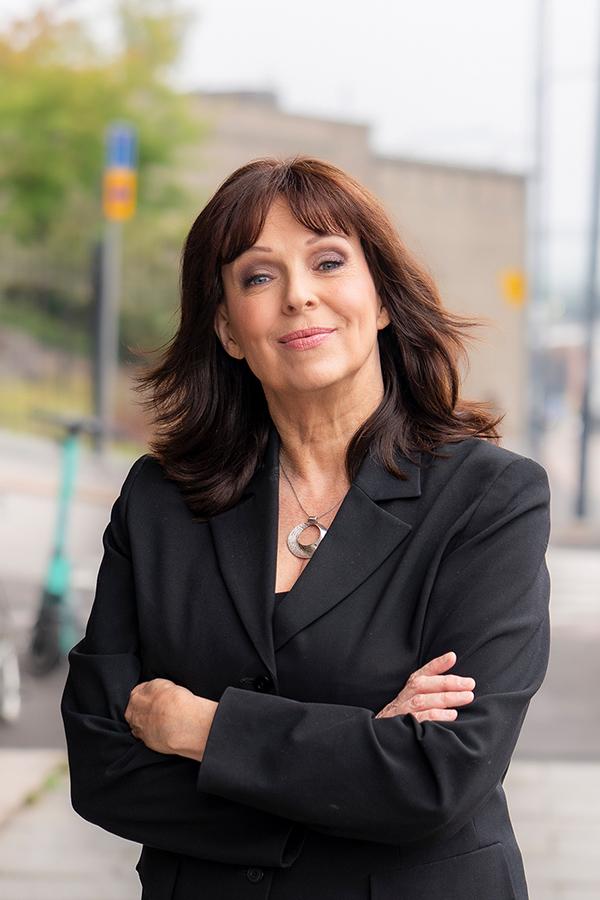
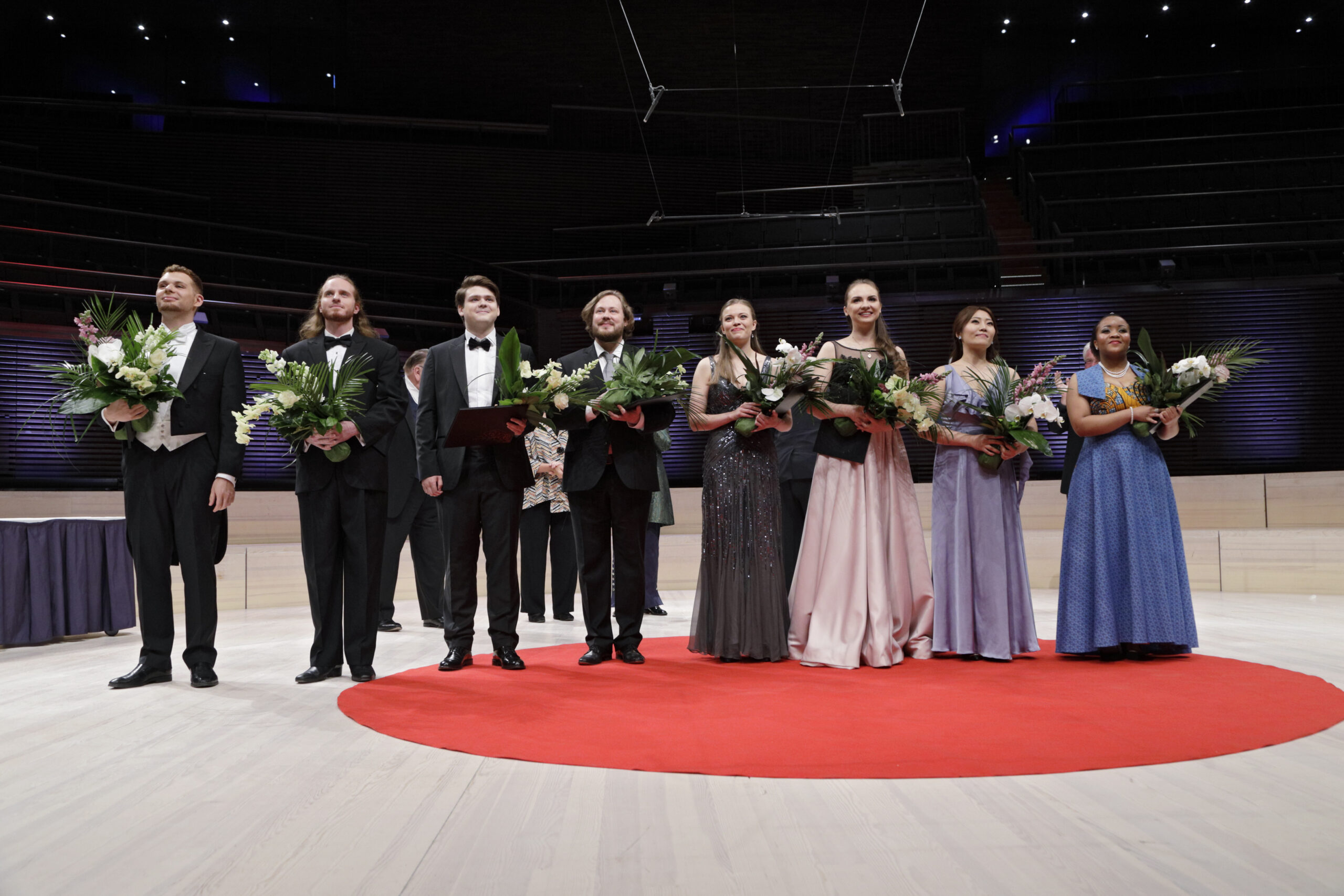
Päivi Loponen-Kyrönseppä took on a new position at the Finnish Cultural Foundation in August, as director of the Mirjam Helin International Singing Competition. The next instalment of the event, which ranks among the top classical singing competitions in the world, will take place in June 2024.

Tummahiuksinen nainen mustassa jakussa kaupunkimaisemassa.

When asked about her hobbies, Loponen-Kyrönseppä says that her whole life is about art and culture. Winter swimming and mushrooms are a small exception. “I am a passionate mushroom picker with an unbridled desire to catch mushrooms. I pick mushrooms beyond my needs.”

Loponen-Kyrönseppä says that she highly appreciates the Cultural Foundation’s decision to invest even more effort into the competition. She also finds the foundation that funds arts and sciences an otherwise enjoyable workplace.

“Especially in these times of great uncertainty globally, domestically and in cultural spheres, it feels wonderful to be working for the greater good.”

Loponen-Kyrönseppä has been involved with music since childhood, having started the violin at the age of seven.

At some point she began to dream of a career in music, and was accepted into the Sibelius Academy. While studying music education and classical vocal arts, she also began to teach and to work as a journalist. She established the opera company Skaala with some of her fellow students in 1996.

“We suddenly realised we could do opera independently. We commissioned our first opera from composer Juha T. Koskinen and produced it ourselves. I chaired Opera Skaala for seven years, which was a really deep dive into building, funding and developing an artistic organisation.”

Having always also carried out other work in the music business in addition to singing, Loponen-Kyrönseppä felt increasingly drawn to that. 

“Very few people in Finland make a living out of singing, so many combine performing with vocal teaching, for example. I wasn’t interested in teaching, so I started to work as a music journalist, first for local papers, then Helsingin Sanomat newspaper and, from 2003, for the Finnish Broadcasting Corporation (Yle).”

This was followed by stints leading Vantaa Pops Orchestra and the Savoy Theatre. Since then, she has utilised her performer’s instinct in tasks such as presenting.

Being asked about leisure pursuits, Loponen-Kyrönseppä answers that her life revolves around art and culture, the only exceptions being ice swimming and mushroom picking..

“I am passionate about mushrooms, with an intense drive to forage. I pick more mushrooms than I need.”

Loponen-Kyrönseppä’s work experience serves her well in her new role as singing competition director.

“As a singer, I am aware of the special characteristics of the singing world. A competition such as this is not only about skill but also involves matters of taste. Sometimes it’s about identifying future potential. Sensitivity is important,” she says. Managing a singing competition requires even more organisational skills, however, and she has amassed some of those while running various musical institutions.

Meanwhile, thanks to her background as a journalist, Loponen-Kyrönseppä finds it easy to approach people, including global superstars, without hesitation.  

The Mirjam Helin International Singing Competition is among Finland’s finest vocal contests, and it is also highly valued abroad. While being highly ranked among professionals, the competition still has some work to do to improve its recognition among the public. How can one get people who are not well versed in classical music to become invested in a contest such as this? 

Is it even possible to compete in art? Loponen-Kyrönseppä doesn’t see a conflict in it. Yes, it is about skill and talent, but ultimately the crucial thing is for the artist to win over the audience’s hearts.

“Besides a good voice and a fine musical ear, a singer must have persistence, tenacity and good luck. Competitions are an excellent opportunity for singers to introduce themselves, and for audiences to discover new talents.”

The director feels that the best singers are not only competent vocalists but also smart, deep, interested in the outside world, and keen on continuous self-development.

Many singing competitions have scrapped having separate categories for men and women, and the next instalment of the Mirjam Helin Competition will do the same. The world’s diverse range of genders and human voices is more highly valued than before.

“Of course on the stage, particularly the opera, gender fluidity has always been a thing – just think about trouser roles, where male parts are played by a mezzo-sopranos or contraltos, or older works where all the roles were played by male adults or children. Not to mention the parts written for countertenor or castrati.”

The Finnish Cultural Foundation has organised the Mirjam Helin International Singing Competition every five years since 1984, based on a major donation made to the foundation by singer and professor Mirjam Helin (1911–2006) in 1981.

The competition cycle will now be shortened to once every three years.

It has been an established part of the competition to arrange home accommodation for the contestants. Whether this can continue is currently under consideration.

“Accommodation hosts become involved in the competition in quite a unique way, and for many contestants this form of housing adds a whole new dimension to the experience. An entire community springs up around the event. I warmly encourage people to apply to be hosts and to enjoy the ambience of the competition!”

What is The Mirjam Helin International Singing Competition?

  • The Finnish Cultural Foundation has arranged the competition since 1984. From 2024 onward, it will take place every three years.
  • The IX Mirjam Helin Competition will take place in Helsinki between 3 and 12 June 2024.
  • The total prize money is EUR 190,000.
  • You can subscribe to the competition newsletter at mirjamhelin.fi.

Päivi Venäläinen to lead the Uusimaa and Kymenlaakso regional funds

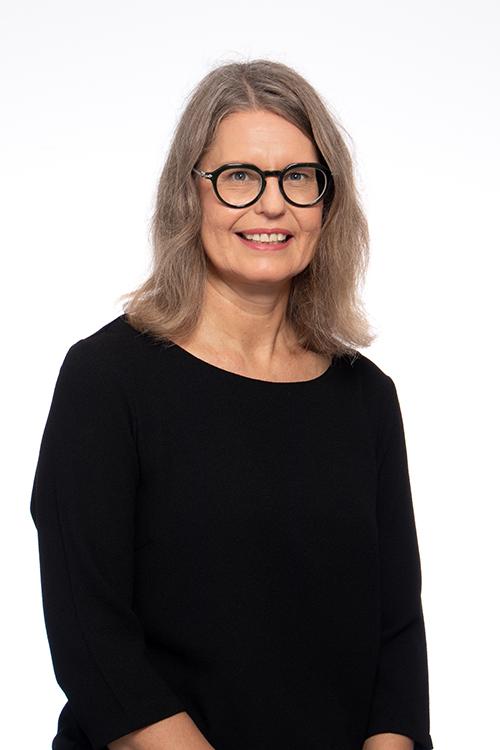
Nainen silmälaseissa ja mustassa puserossa. Tausta on valkoinen.

Päivi Venäläinen has started as a Fund Officer for the Finnish Cultural Foundation’s Uusimaa and Kymenlaakso funds on 2.10.2023. She is also the person in charge of the Art Testers project at the Foundation.

In her previous position, Venäläinen was the Executive Director of the Art Centre for Children and Young People Foundation that promotes the art education of children and young people in Finland.

She brings a solid knowledge of children’s and youth culture and expertise in art and pedagogy to her new workplace.

“It will be exciting to work in a specialist organisation like the Finnish Cultural Foundation, with a wide range of skills, both in staff and trustees. I have often applied for grants, which makes peeking into the other side particularly interesting,” says Venäläinen.

She has worked in cultural education and audience development for most of her career. Her doctoral thesis in art education, completed in 2019, has focus on the same topic: contemporary art as a learning environment.

Previously, Venäläinen has worked in various roles at the Art Centre for Children and Young People Foundation, in pedagogical positions at the Museum of Contemporary Art Kiasma and the Finnish National Gallery, and has taught museum pedagogy. She holds a PhD in art education and a master’s degree in education.

In her new role, she is particularly inspired by broadening her perspective from children and youth culture to the wider phenomena of art and science. “It’s great to get to know what kind of thoughts and ideas our grantees have.”

Color Up Peace: Supporting Ukraine and Ukrainians since 2016

Text: Lisa Glybchenko

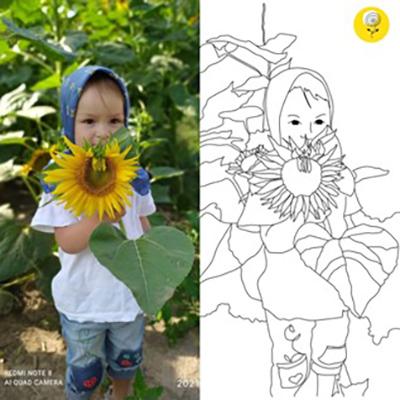
Color Up Peace works at the intersection of art-making and technology to leverage artistic innovation as a peacebuilding tool. I invite people from all over the world to submit photos of what peace is to them – and then turn the photos into coloring pages by drawing every outline manually. The idea is that then someone would be able to color the outline and connect to another’s experience of peace in visual and digital ways. Like this, the outlines become instruments of deliberative and participatory futures design – where people build demos of peace arrangements by exploring and multiplying peace values through the ways they engage with the outlines.

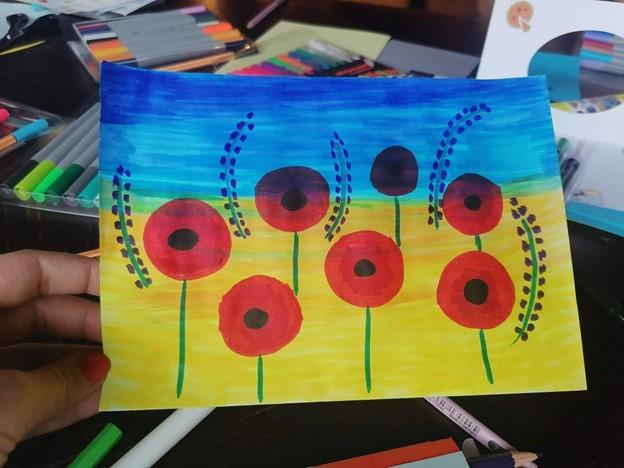
vesiväreillä maalattu paperi, jossa taustalla ukrainanlipun sininen ja keltainen ja edessä punaisia kukkia.

Artwork by a Color Up Peace workshop participant Kateryna Drobakha. Photo: Lisa Glybchenko

In general, Color Up Peace aims to encourage participants to think about peace and what peace means to them; to create opportunities for sharing visions of peace through artistic and digital means; to foster dialogue through collective artmaking; to challenge the abundance of violence-centered visuals in the media and popular culture; and to employ digital visual artmaking as a peacebuilding tool. My motivation to start Color Up Peace in 2016 was to help people like me – who suffered from Russia’s war of aggression against Ukraine since 2014.

Vasemmalla pieni tyttö pitää auringonkukkaa kädessään, oikealla sama tyttö ääriviivoin piirrettynä.

This photo was taken in the sunflower field in Vinnytsia Oblast, Ukraine. Photo: Kateryna & Veronika Drobakha. Outline and image design by Lisa Glybchenko.

I think it is in every peacebuilding startup that the founder would wish their startup did not even exist – that there would not be a need for that, that there would be no violence and cruelty that make such startups and the services they offer needed. And I never imagined I would be helping Ukrainians in Tampere in 2022–2023, after 8 years of collective suffering for the participants, myself – and lots of other Ukrainians in Ukraine and abroad.

Participants came from different places in Finland: not only Tampere, but, for instance, Vaasa and Jämsä. Part of these workshops were supported by Operation Pirkanmaa and the City of Tampere.

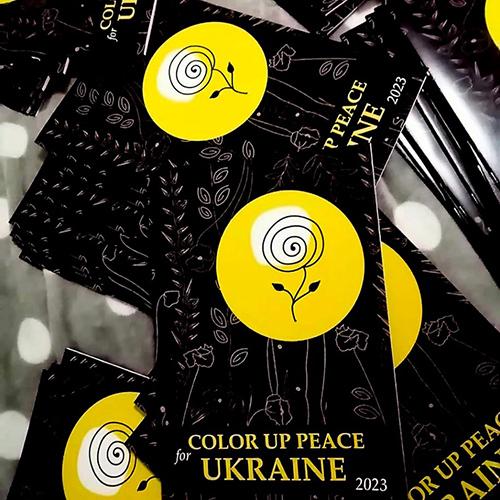
I recently also finished a Nordic-Ukrainian initiative to create art-based support programs for my compatriots in Ukraine and abroad like in their host communities in Vaasa and Tampere in Finland; Reykjavik in Iceland; Kyiv, Kharkiv and Chernivtsi in Ukraine. The programs were supported by The Nordic Culture Point and they attracted around 250 participants and received extremely positive feedback. Within the programs 390 artbooks were printed and distributed in Ukraine, Finland and Iceland. New projects are already in implementation too!

Pöydällä lojuvia mustia värityskirjoja, joiden kannessa kukka keltaisessa pallossa ja teksti Color Up Peace Ukraine.

Latest coloring books by Color Up Peace. Cover design, layout and illustrations: Lisa Glybchenko.

Some new opportunities for helping Ukrainians and generally people affected by wars came out of these workshops. With the virtual education company Claned we collaborated to create the virtual version of the workshops so that people in other places around Finland and in other countries could join and have this experience too. The workshops are self-paced and available both in Ukrainian and English.

I think the most important highlight for me so far has been that I could see that the workshops make a difference and that I was able to help holistically, as well as use my skills and talents to help. I also learned a lot from the people I worked with and from their experience of restarting their lives in a new place they did not choose and may barely know anything about. Based on this, I think it is important to highlight how it would be good to continue supporting Ukrainians:

  • creating employment opportunities that do not require fluency in Finnish
  • mentoring Ukrainians about certain topics of interest, like entrepreneurship or NGO management, as they are done in Finland, since it could be very different in Ukraine
  • creating ways for connections between the Ukrainians under temporary protection in Finland and the Ukrainian diaspora, since they could be scattered around the country with difficulties moving around
  • asking Ukrainians, including diaspora members, what kind of help they may need
  • and realizing that supporting Ukraine and Ukrainians is essential for everyone who appreciates freedom.
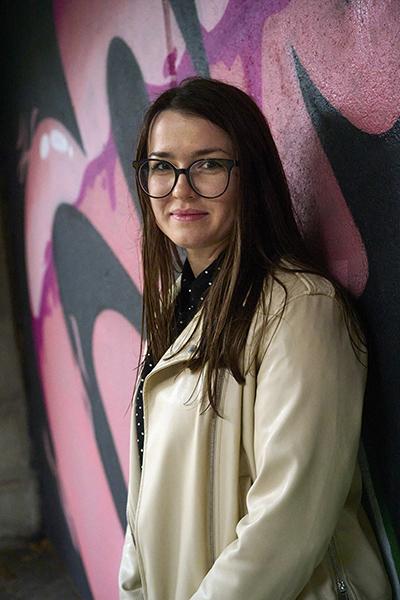
Pitkähiuksinen nainen harmaassa villapaidassa ja silmälaseissa nojaa seinään, jossa on vaaleanpunaisia graffiteja.

Artist Lisa Glybchenko is a researcher and an entrepreneur of the startup Color Up Peace from Crimea, Ukraine. She is preparing a doctoral dissertation at the University of Tampere, in which she studies Digital Visual Images as Security-Building Tools. She has participated in the design and implementation of the visual identity of the Tampere Freedom of Speech Event in September 2023.

One more thing to note is that Ukrainians in Ukraine and away from Ukraine are also simultaneously doing a lot of decolonization work to protect their culture, and the ways their culture is part of their everyday lives even abroad. It is important to make space for this kind of work and actively support the needed conversations and initiatives, even if they are difficult to hold.

Follow the Facebook and Instagram pages of Color Up Peace for more information!

facebook.com/coloruppeace

instagram.com/coloruppeace

Using white blood cells to attack cancer cells

Text: Antti Kivimäki
Photos: Harri Tarvainen

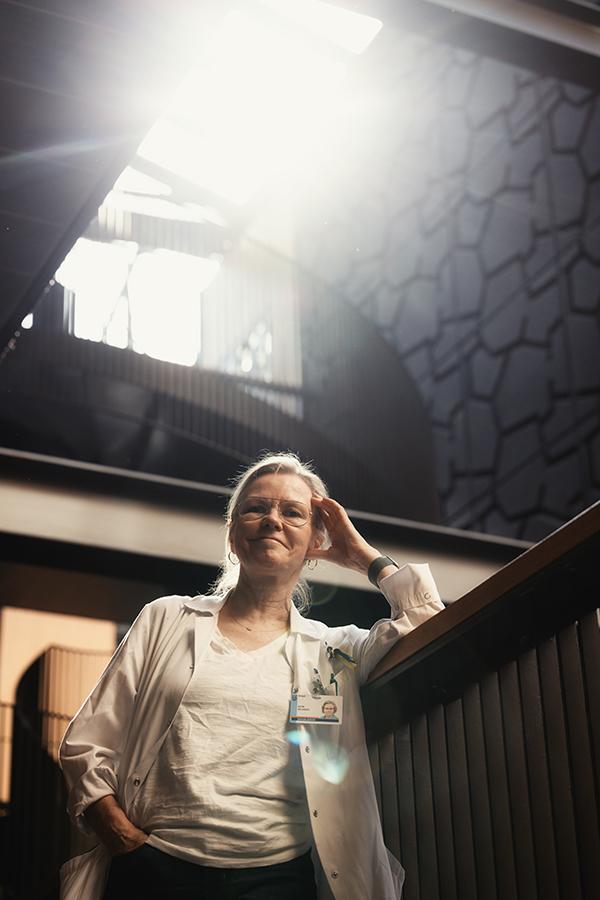
Nainen valkoisessa takissa nojaa muuriin. Kattoikkunasta loistaa valoa.

Katri Selander, a specialist in cancer medicine.

Over the past ten years, cancer treatment has been revolutionised by so-called immuno-oncology therapies. These drugs boost the activity of white blood cells.

“The drugs take the brakes off white blood cells, allowing them to attack cancerous tissue more vigorously,” says Katri Selander, a specialist in cancer medicine and associate professor of medical cell biology.

The mechanism of immuno-oncology therapies is as follows.

A cancer cell is a cell that has stopped obeying the body’s orders and is growing on its own. It begins to produce proteins on its surface that are foreign to the body. The white blood cells that defend the body should therefore recognise the cancer cells and destroy them.

“However, cancer cells have their own immune defence. They know how to put proteins on their surface that fight white blood cells. Immuno-oncology drugs bind to these proteins and, as a result, white blood cells can attack cancer cells.”

The immuno-oncology drugs that have been in clinical use the longest include ipilimumab, nivolumab, pembrolizumab, atezolizumab and avelumab. These drugs do not help all patients, but for some they are of considerable help.

These drugs were first tried in patients with advanced cancer and no other hope. In some patients, the drugs destroyed the cancer tumour completely.

Today, immuno-oncology drugs are increasingly being offered to cancer patients even in the early stages of treatment when the cancer has not yet spread. They are now being offered for some lung, bowel and breast cancers, melanoma and head and neck cancers.

The downside of treatments

There is, however, one major risk with these drugs.

“When white blood cells attack cancerous tissue more aggressively, they may also attack the body’s own healthy tissues more aggressively.”

The most common side effects of these autoimmune attacks are rash, diarrhoea, thyroid dysfunction, and lung inflammation. The symptoms are often mild, but in the worst cases they can be fatal. Rare and life-threatening complications include intrahepatic bile duct destruction and pituitary destruction.

Patient data have shown that an autoimmune disease in the patient or a relative – such as rheumatoid arthritis or type 1 diabetes – increases the likelihood of immuno-oncology drugs causing white blood cells to attack the patient’s own body.

“The patients may not remember or know if any of their relatives have had autoimmune diseases, so the most sensible way to find out is to do a genetic test.”

It is therefore not advisable to boost white blood cell function in patients in whom white blood cell function can cause problems even without boosting. Immuno-oncology treatments are not offered for these patients.

“However, patients may not know if they have a latent autoimmune disease. They also may not remember or know if any of their relatives have had autoimmune diseases. The most sensible way to find out is to do a genetic test,” says Selander.

“Susceptibility to the side effects of immuno-oncology drugs can also be increased by something that does not manifest as an autoimmune disease but is genetic.”

Gene tests to support treatment solutions

Selander and her team are developing a genetic test that would reveal susceptibility to side effects. This would allow a doctor prescribing cancer treatments to assess whether it is safe to administer immuno-oncology drugs to a cancer patient based on the test alone.

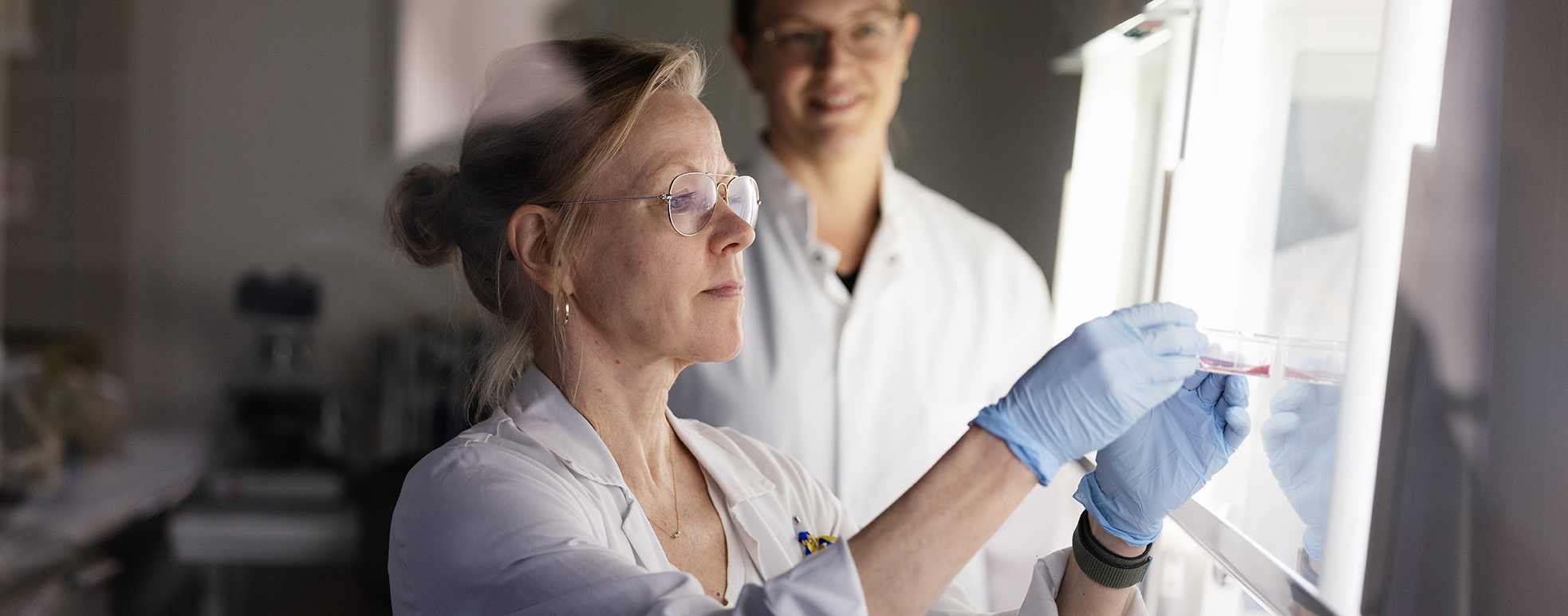
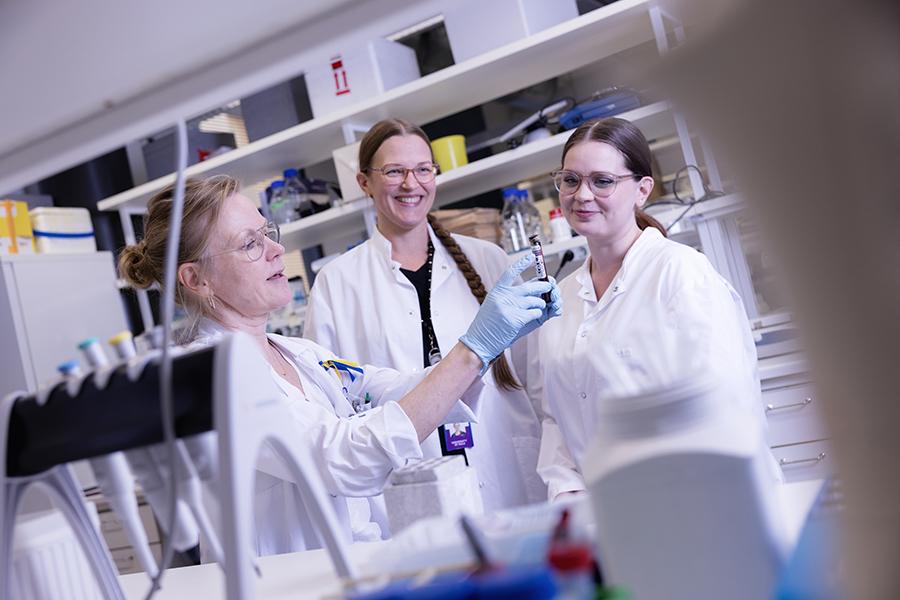
KOlme naista tutkivat näytteitä laboratoriossa valkoiset takit päällään

Katri Selander, Sini Nurmesniemi ja Essi Parviainen are developing a genetic test that would reveal susceptibility to side effects.

Many other research groups in pharmaceutical companies and universities around the world are developing similar tests. There are probably many predisposing genetic variants.

Selander and her group have identified one. The gene is linked to immune function. Selander is unable to disclose the gene in any more detail than this as their research is still ongoing.

A gene discovery in a relatively small number of patients at Oulu University Hospital must first be confirmed in a larger number of patients through collaborations with international researchers. Then the research article will still have to be published.

Research led by Selander is being carried out in many places in Finland. Patient samples are being collected at Selander’s workplace at Oulu University Hospital. There is clinical collaboration and data exchange with the cancer clinics of the University Hospitals of Tampere and Kuopio. Laboratory studies are being carried out at the Department of Biomedicine at the University of Oulu, and mouse experiments are being carried out at the University of Turku, where Selander holds a professorship.

Selander’s research team has transplanted into mice a gene discovered in humans that may predispose them to the side effects of immuno-oncology drugs. The aim is to find out whether the susceptibility gene and immuno-oncology drug treatment alone are enough to trigger a mouse’s immune defence system to attack its own cells or whether other factors, such as a particular diet, are needed. Selander is not yet able to say what these results will be.

Towards individualised cancer treatment

Selander received her PhD from the University of Oulu in 1996, focusing on the mechanism of action of osteoporosis drugs, and planned to do the orientation phase of her medical work at the Pello Health Centre in northern Finland. However, a PhD-related business trip to a conference of bone researchers in Switzerland changed her plans.

“The leisure programme at the conference included skiing. Having grown up on the slopes of Ounasvaara in Rovaniemi, I was excited to teach Texas researchers about the sport, and they in turn invited me to do post-doc research at their home university,” says Selander.

“If I had known who they were, I would not have dared to go and give them advice. They were great gurus in their field. I decided not to work at the health centre in Pello but to become a researcher in Texas instead.”

Selander spent the period from 1996 to 2000 at the University of Texas at San Antonio campus studying the mechanisms by which breast cancer metastasises to the bone, and that is also where she met her future husband. From 2000 to 2017, the couple worked at the University of Alabama, where Selander established her own research group.

“One day, researchers in Finland and elsewhere will hopefully have mapped out all the genetic variants that prevent immuno-oncology treatments.”

Selander had three children and in 2017, when her oldest child was 17, she decided that it was the last sensible time to move to Finland so that all her children could easily access the Finnish school system.

Selander started working as a cancer specialist at Oulu University Hospital in September 2017 and within a couple of months she had this research topic in mind.

Not all patients experience side effects from immuno-oncology treatments, but some patients have severe symptoms. I thought that the cause must be genetic and that we needed to investigate the matter further,” says Selander.

The end result is clear in her mind: one day, researchers in Finland and elsewhere will hopefully have mapped out all the genetic variants that prevent immuno-oncology treatments.

“Then patients could immediately undergo genetic testing and treatments would only be given to those who have no genetic predisposition to serious harm. If they then develop mild side effects from the drugs, the treatment could still be continued. Immuno-oncology therapies are so good that it is not worth stopping them for minor reasons,” says Selander.

Announcing the second edition of writing course for critics

The Finnish Cultural Foundation will organise a course for critics in the spring of 2024. The aim is to reinforce professional identities and collegial relationships, and to teach new skills that support professional competence. The participants will update their understanding of the significance of art and critique, and familiarise themselves with international discourse around art. 

The course will be held in the premises of the Kirpilä Art Collection, and will comprise eight training days, as well as mentoring and personal feedback sessions. The course content is designed by the online publication Long Play, which is known for its high-quality writing courses, with editor/journalist, author and writing teacher Anu Silfverberg and editor, author and music critic Sonja Saarikoski as the responsible teachers

Other teachers on the course will include literary critics Maaria Ylikangas and Vesa Rantama, pop critic Oskari Onninen, film critic Kalle Kinnunen, arts critic Sanna Lipponen, postdoc researcher and music critic Nuppu Koivisto-Kaasik, former Helsingin Sanomat theatre critic and communications expect Suna Vuori, and theatre and dance critic Maria Säkö. Additionally, there will be guest lectures from artists from various fields.

The participants’ final coursework will consist of a series of podcasts dealing with the significance of art criticism. The course will also include a study and work trip to Berlin. The chosen participants will receive a working grant for the coursework.

The 2020 course received extremely positive feedback; some participants even described it as pivotal for their careers.

Anu Silfverberg, Long Play: “When we ran the course for the first time, the best thing for me as a teacher was to notice the great strides that the participants took in their writing, and their careers, during the semester. The strengthening of peer support among professionals was also beautiful to witness: critics are often fairly lonely in their jobs, and it was great to see how infectious encouragement and enthusiasm – however small – can be in the field. Based on last time’s feedback, we will now try to set aside enough time for dialogue.”

Susanna Pettersson, CEO, Finnish Cultural Foundation: “Critics play a central role in cultural discourse, which should be characterised by diversity, a multiplicity of voices, and a variety of channels. Our writing course offers critics a unique opportunity to hone their expression and deepen their professional competence.”

The course is possible thanks to the Cultural Foundation’s donor fund named after art critic E. J. Vehmas, whose designated purpose is to support art critics.

Applications for the course are accepted until 4 pm on 10 October 2023.

Emilia Ukkonen, 2022, Arts Initiative Tokyo, Japan

Looking for spirits in Tokyo

An interview by Athanasía Aarniosuo
Photos provided by the artist

The residency period, originally awarded for 2019, was delayed due to the Covid-19 pandemic, as many others during that time. Travelling, even two years later, was not easy and many changes to original plans were made. Due to Japan’s strict regulations, Emilia thought it safer to travel by plane rather than through land and sea.

The first months of the residency were rather solitary. Not many foreigners had taken the extra step to travel to Japan, and communication with the locals was challenging. Japanese people are generally not so confident in speaking English, Emilia found.

However, the overall experience was positive and fruitful in many ways, and after the first secluded period, more and more foreign artists started to arrive in Tokyo.

The Arts Initiative Tokyo Residency itself is a small, two-storey house that only accommodates one guest artist at a time. However, collaborations with other residency programs and visiting artists are arranged. Emilia was the first in a long time to visit.

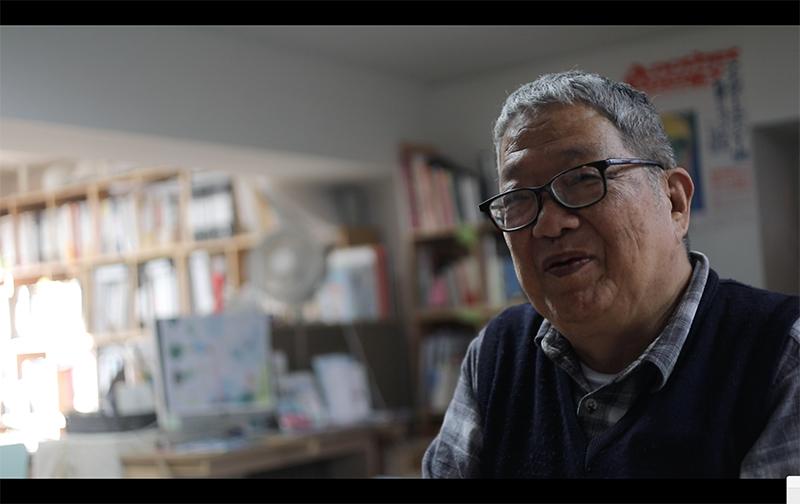
A Japanese man with glasses and grey hair in a library

Mr. Hidetoshi Hoshitani

The two-year wait influenced Emilia’s plans in regards to her work as well. While her subject matter and main research focus remained unchanged, a majority of her contacts were no longer useful. During the residency, Emilia wanted to explore the supernatural, and people’s experiences with ghosts and spirits; finding a whole new set of volunteers to interview was a part of the process.

She talked to locals who had seen ghosts in order to learn more about Japanese supernatural beliefs. The residency staff helped arrange a meeting with a clairvoyant, psychic, Mr. Hidetoshi Hoshitani, that a Japanese artist had collaborated with previously. Historically the Japanese have valued their spiritual experiences; however, Emilia found it rather challenging to engage the locals about their personal beliefs.

A dark forest

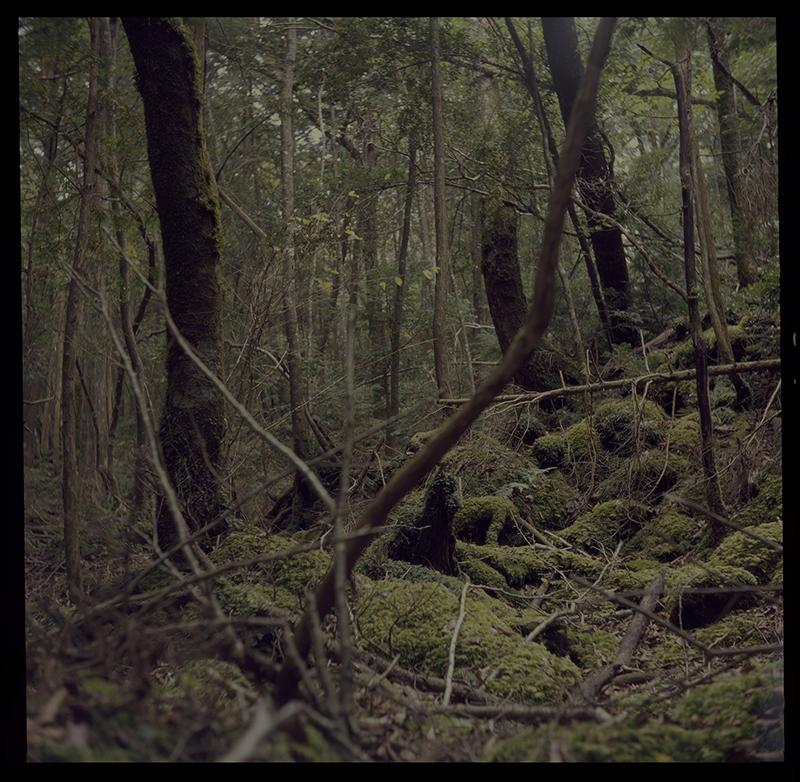
The forest of Aokihagara.

Emilia visited the forest of Aokihagara, Mount Fuji’s vast ‘Sea of Trees’, which is located a mere two-hour bus ride away from central Tokyo. The Mount Fuji area is a well-known tourist destination and the forest is visited by many because of the well known caves in this area. However, it is also home to ominous events: every year, many Japanese people go to the forest to take their own lives. A popular suicide spot, the stories of ghosts and haunting spirits existed before these more recent tragedies, but have increased with them.

Emilia has been interested in ghosts and the supernatural throughout her life, and has been working on this particular project for a few years already. The project is not limited to Japan, but she has photographed well-known haunted areas around the world, while also interviewing people about their relationship with the supernatural and their personal ghostly encounters. The project has taken her, among other places, to England and Scotland, where the cultural history encourages ghost stories; every village has them! Next, the project will take her to Romania, where stories of the spiritual world are plenty. The photographs she takes are mostly of outdoors spaces, forests particularly; not so much haunted houses or castles.

Emilia is interested not only in the haunted stories themselves, but also the history behind them: how do they get formed and where do people go to experience the supernatural? The photographs and related interviews have not been exhibited publicly yet, but Emilia is in the process of compiling them into a book.

Alongside her main project, Emilia also took a trip to Hiroshima to photograph some old trees as part of another larger body of work, through which she takes portraits, in a way, of trees that have witnessed major world events and personal tragedies. This project is also ongoing.

Emilia’s time in Japan, in the end, did not differ too much from how she usually works: she travels to a place of interest, photographs it, then continues working from her laptop at home. However, it did come with many new ideas and revelations.

Finnish Cultural Foundation’s residency programme is maintained and developed in collaboration with HIAP – Helsinki International Artist Programme.

Tampere Freedom of Speech Event focuses on the importance of media freedom

The topic of the first Tampere Freedom of Speech Event, to be organized in the end of September, is the importance of media freedom and a pluralistic press in the story of independent Ukraine.

The keynote speech will be delivered by journalist Myroslava Gongadze. Ms. Gongadze is a prominent American Ukrainian journalist and media leader, a force behind Ukraine´s best-known journalism prize and a mentor for young Ukrainian journalists. Gongadze is closely linked to the most fateful moments of Ukraine´s media freedom.

Myroslava Gongadze’s husband Georgiy Gongadze (1969–2000) founded one of the first independent Ukrainian news media, Ukrainska Pravda, and his brutal murder outside of Kyiv in 2000 raised an early wave of protests to protect both critical journalism and Ukraine’s young democracy. The murder was marked by a recording scandal which nearly toppled then-president of Ukraine, Leonid Kuchma.

Myroslava Gongadze now works as East Europe Chief of the Voice of America news service. She actively supports her country in the United States and works as a reporter on the field in Ukraine. In September 2023, Myroslava Gongadze will be awarded the Inamori Ethics Prize which ‘honors outstanding international leaders whose actions have greatly improved the condition of humankind’.

In Tampere, the Ukraine topic is covered at an invitees-only conference at the Old City Hall, and in a public discussion seminar in the premises of Tampere University journalist education. As a separate pre-event, a seminar will be held about the situation of repressed journalists and other people in the country of Belarus.

Why the theme of freedom of speech? Freedom of speech is a core value: it belongs to the core of every democratic society and it´s an important part of the daily life of any free human being. Freedom of speech belongs to everyone.

The Tampere Freedom of Speech Event is organized by the Finnish Cultural Foundation’s Pirkanmaa Regional Fund, together with the City of Tampere and its Operation Pirkanmaa, the journalism foundation JOKES, Reporters Without Borders Finland and Lännen Media. The Tampere Freedom of Speech Event takes place in Tampere on September 26–28, 2023. The event is planned as biennial, with varying topics.

Päivi Loponen-Kyrönseppä becomes the director of the Mirjam Helin Competition

Päivi Loponen-Kyrönseppä has started work as Competition Director of the Mirjam Helin International Singing Competition, organised by the Finnish Cultural Foundation. This is a new position at the Finnish Cultural Foundation. Loponen-Kyrönseppä holds a Master of Music degree and specialises in cultural management. She joins the Finnish Cultural Foundation after having worked at the Savoy Theatre, which is renowned for its profile in international programming.

Loponen-Kyrönseppä was the director of the Savoy Theatre since 2013. Prior to that, she worked as the executive director of the Vantaa Orchestra, as the artistic director of the Lemi Music Festival, and as a music journalist for, for example, Helsingin Sanomat and Yleisradio. She also holds a Master’s degree in singing and is one of the founding members of the Opera Skaala company.

“Päivi Loponen-Kyrönseppä’s extensive networks in Finland and internationally, and her diverse experience in the field of music, provide an excellent basis for the development of the singing competition”, says Susanna Pettersson, CEO of the Finnish Cultural Foundation.

The ninth Mirjam Helin International Singing Competition will be held in Helsinki from 3 to 12 June 2024. The competition is targeted at the best of young singers, and it is known for its high standards, demanding repertoire, and prestigious jury. Many of the previous winners of the competition have risen to the very top of the singing world.

Organised by the Finnish Cultural Foundation, the singing competition has been held every five years since 1984. In line with a new policy decision by the board of the Finnish Cultural Foundation, the competition will, in the future, be held every three years. At the same time, separate categories for men and women will be abandoned.

“The Mirjam Helin Competition has an important place in Finnish music life. Holding the competition more frequently allows us to increase its visibility, especially internationally”, says opera singer Soile Isokoski, who will chair the jury of the competition in 2024.

The singing competition is made possible thanks to a major donation made to the Finnish Cultural Foundation by singer, Professor Mirjam Helin (1911–2006) in 1981.

To the Mirjam Helin Competition website

Tommi Parkko, 2022, Filba, Buenos Aires

An interview by Mauri Aarniosuo
Photo provided by the artist

Man with grey hair, blue shirt and glasses.

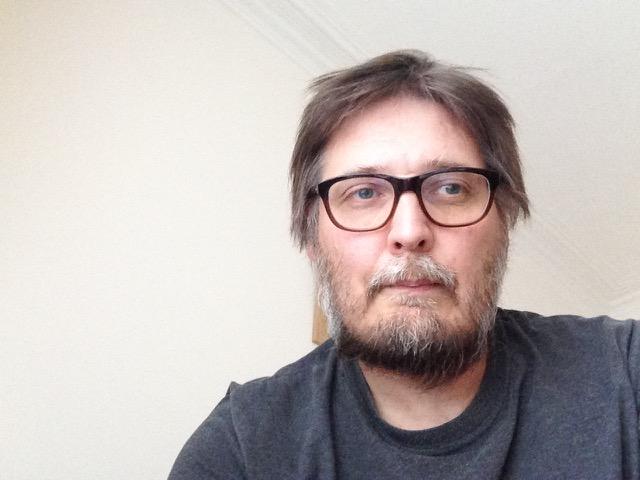
Poet Tommi Parkko finds that working in residencies suits him well.

I interviewed poet Tommi Parkko, born in 1969, in Finnish, through a remote connection. When he is not working in residencies, Parkko lives in Turku. So far, he has published four poetry collections, in addition to nonfiction books on poetry. Parkko is also an editor in his own publishing house Kustannusliike Parkko that publishes poetry translated into Finnish. He has also taught writing in several educational institutions. But poetry, Parkko emphasizes, comes first. He has worked in several positions related to the culture field for thirty years, but his “big vision” is to promote poetry.

Parkko tells me residencies are a central part of his life and that working in residencies suits him well. He finds it easier to focus on long-term planning and projects especially abroad when social obligations get less in the way. Personally, he generally feels most comfortable working in narrowly structured residencies, but he emphasizes that all different types of residencies are needed. Writers should also have more residency options: for example residencies in New York, or more remote ones, such as the solitary Örö island that Parkko remembers fondly. As a writer, he feels he doesn’t require much: a laptop, some books, a desk, a bed, and food.

Parkko applied to Filba residency in Buenos Aires in 2020, and he was notified of his selection in November 2020. Originally, the accommodation was supposed to be in a culture center, but COVID-19 delayed the residency and altered the plans. Parkko’s romantic plan was also to travel by cargo ship in the manner of Olavi Paavolainen’s travel book Lähtö ja loitsu, but this did not work out either. Finally, the residency took place between August and November 2022, and Parkko was accommodated in an Airbnb flat in Buenos Aires’s Palermo Hollywood area.

Parkko was happy to go to Argentina where he had never been before, to also get acquainted with the local poetry. One of his publishing house’s next year’s publications will be a Finnish translation of Alejanda Pizarnik’s poems. Pizarnik was from Buenos Aires, which is another reason Parkko was interested in the city – to get a sense of the circumstances where the poet came from.

Palermo Hollywood is a part of the Palermo neighborhood with a lot of restaurants and books stores. It is not the richests nor the poorest part of Buenos Aires, Parkko explains. Though, he does not consider his current scenery central to his work. “I do what I do, basically anywhere,” Parkko says. In general, he feels that traveling and limiting his amenities keeps his mind active, but he did not, for example, write poems focusing on Buenos Aires in any obvious way while there. Parkko paid attention to the major inflation in Argentina which made him feel rich during the residency, while being a low-income cultural worker, and also a little bad for “colonizing the country,” as he puts it. “The prize of a pizza is three euros,” he explains.

Filba Foundation, which arranged Parkko’s residency, also organizes Filba International Literature Festival, held in Buenos Aires and Montevideo simultaneously. Parkko compliments the organizers for taking good care of him. He was always able to reach an English speaking contact person for help, and the organizers met him occasionally to ask him whether everything was going well. He feels that cooperation with the Finnish Cultural Foundation also ran smoothly.

There were some minor disturbances to his focused work, however, due to external circumstances. For one, the timing of the residency, which had changed because of the pandemic, was a little off. Parkko’s responsibilities related to the publishing house would have required him to be in Finland at the time, and this caused additional difficulties. Another problem was that the airlines lost his suitcase in which he had his personal belongings and books. As a result, Parkko had only a few things with him in the residency, which also affected his work, as he could not use all of the books that he intended to. He got the suitcase back three months later at the airport.

The cooperation with Filba included participating in the literature festival. Parkko was expected to create a text for the festival, and, at Filba’s suggestion, he went to see a football match for the first time in his life, accompanied by a local writer. Laughing, Parkko tells me that he didn’t even know who was playing and who won. During the match, he talked to the other writer with whom he also performed later at the festival but, even so, he managed to write a few poems about the football event in the end. His participation at the football event was the only structured program that was organized for Parkko during the residency, and this suited him well.

Parkko had several plans for the residency concerning his own poetry collections and other work. He hosted a seminar on creative writing through Zoom and worked on his book about slow traveling in Europe, but this project did not progress as much as he had initially planned. By coincidence, translator Aki Salmela, who is an associate of Parkko, happened to be at the same place at the same time, which was lucky, as they could, thus, easily work together on editing a translation of Jeet Thayil’s poetry in cafes and bars. Parkko also worked on translations of Ingeborg Bachmann, Mark Strand, Elo Viiding, Rami Saari, and Ilya Kaminsky, whose book will be published in Finnish during summer 2023. Parkko also used a lot of time planning his publishing house’s future activities, financing and marketing. A completely new idea was born, too: a plan to publish an anthology of contemporary Argentinian poetry in Finnish, in perhaps five years or so. So far, Argentinian poetry has not been very widely translated into Finnish, and Parkko and his associates wish to diversify the picture of Argentinian poetry in Finland. The translator is already known, and a specific Argentinian journalist will possibly help with selecting the poetry.

During the residency, Parkko also continued working on two of his own poetry collections, one of which is yet in such an early stage that its details are not ready to be shared. The more current collection that goes by the working title Maanpako (exile), on the other hand, is well under way. Parkko tells me that the book is centered around the concept of ostracism. The term comes from Ancient Greece where people’s assemblies had a custom of evicting democratically chosen people from Athens. No proper justification for the eviction was required. Nowadays, the term ‘ostracism’ is extended to social shunning more broadly, and Parkko mentions bullying at school as another example. “What are the consequences when a person is socially isolated?” is a question Parkko wishes to address in his book.

Parkko considers himself first and foremost as a poet. His work has been inspired by historical and mythological references. “I am perhaps not one of the most experimental poets,” he describes himself and sees his poetry as deriving from the tradition of modernism – though, with a more contemporary approach. Parkko emphasizes that he creates collections of works, not really singular poems, and does not even attempt to publish at a quick pace. In the past, he has published collections of poems about once every seven years. He is a slow perfectionist when it comes to his poetry which is not driven by financial interests. He makes a living from his other work.

Yle recently raised the question “Is Finnish poetry dying?” in the Kulttuuricocktail Live program. Parkko finds this discussion amateurish. “After all, poetry is currently both quantitatively and qualitatively more versatile than ever during Finland’s history of literature,” he declares. Parkko is passionate about promoting poetry and has written six nonfiction books on poetry, on writing poetry, and on reading poetry. He notices how especially young readers have been recently drawn into the format of a verse novel where long narratives are told using the medium of poetry; even prosaists have been attracted by the way in which poetry allows the writer to get directly to the point. Contrasting his thoughts to the famous quote by philosopher Ludwig Wittgenstein, Parkko proclaims that “the poet’s task is to talk about things for which there are no words, to sort of expand the world’s limits.” He emphasizes, though, that while this may sound pompous, it is completely possible and a mundane phenomenon. For example, new words are created constantly. “The world changes through language.”

Finnish Cultural Foundation’s residency programme is maintained and developed in collaboration with HIAP – Helsinki International Artist Programme.

Read more from parkkokustannus.fi