The people behind culture: “Not all the culture we consume needs to be easy,” says Laura Hokkanen
Working with the Foundation has become a natural way for cultural researcher Laura Hokkanen, PhD, to advance causes she considers important. She hopes to see greater collaboration and bold statements from those who stand for science and art.
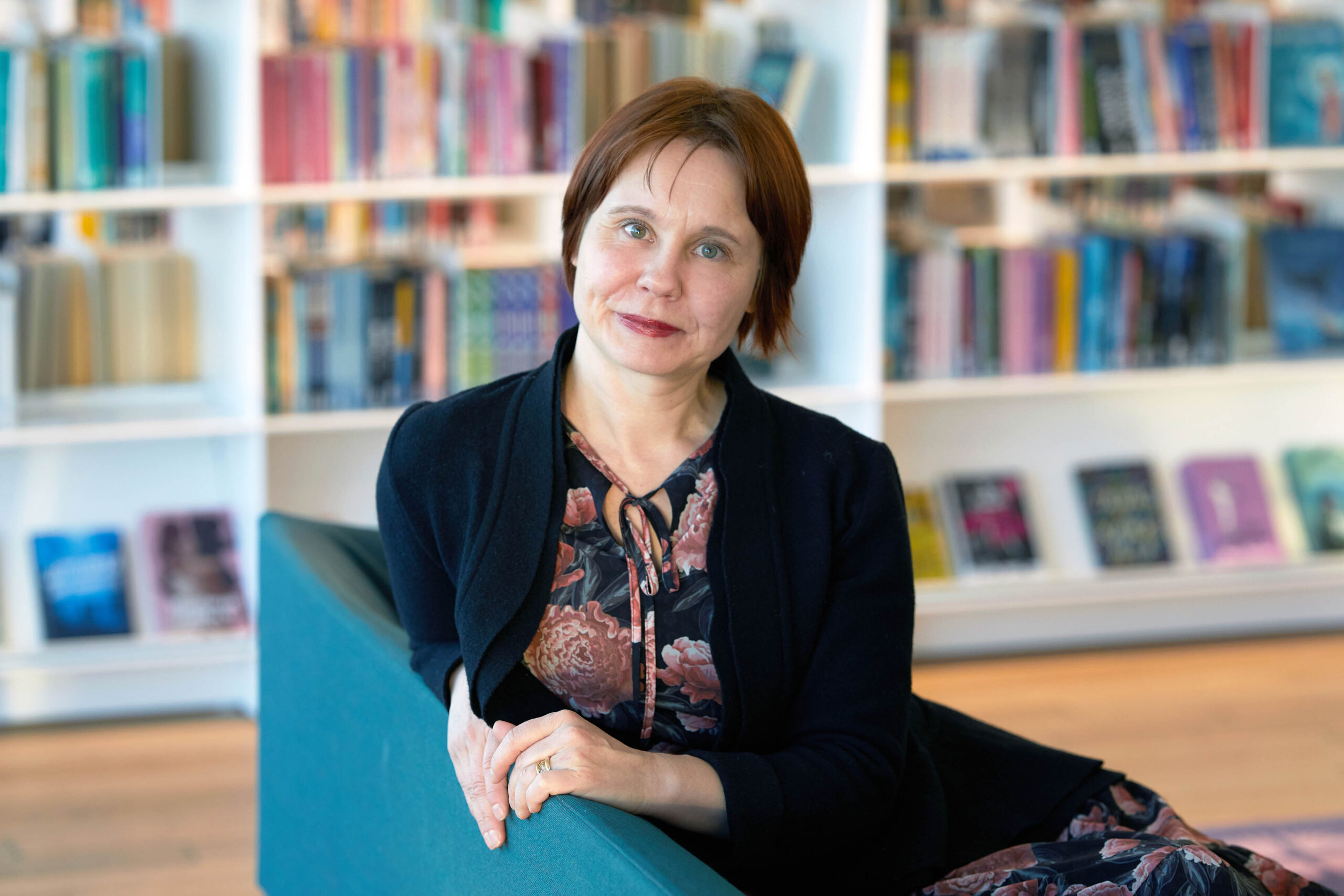
You chair the Administrative Committee of the South Savo Regional Fund. How would you describe the cultural landscape of your region?
Culture in South Savo is thriving. The region hosts several major events, including the Savonlinna Opera Festival and the Mikkeli Music Festival. Muisti Centre of War and Peace in Mikkeli offers a new perspective on military history by examining it through the lens of peace and human experience. Considering its size, our region offers extensive, high-quality basic education in the arts.
Laura Hokkanen“There is also a growing culture of grassroots activity. Libraries have become spaces for social interaction. All of these are refreshing examples, and I hope to see this development continue.”
There is also a growing culture of grassroots activity. Multidisciplinary events such as Koskifest in Enonkoski and the Ihmemaa Festival in Sulkava have emerged from local cultural communities. In Ristiina, the Kosmos Festival, an alternative music and arts event held in the middle of a forest, sells out within minutes. Libraries have become spaces for social interaction. All of these are refreshing examples, and I hope to see this development continue.
Of course, there are challenges, too. Mikkeli Art Museum, for example, has been operating in temporary premises for a long time, and its extensive collection of treasures remains in storage. The public cannot access them because there is no funding for new premises.
You are also a member of the Board of the Support Association. What does your work with the Foundation mean to you?
The Support Association is a nationwide association that serves as a bridge between the Finnish Cultural Foundation and researchers, artists, and representatives of the cultural and business sectors across Finland.
For example, we can highlight which phenomena are reflected in funding across different parts of Finland, which are overlooked, and what kinds of projects might be needed. We also promote public discussion about culture.
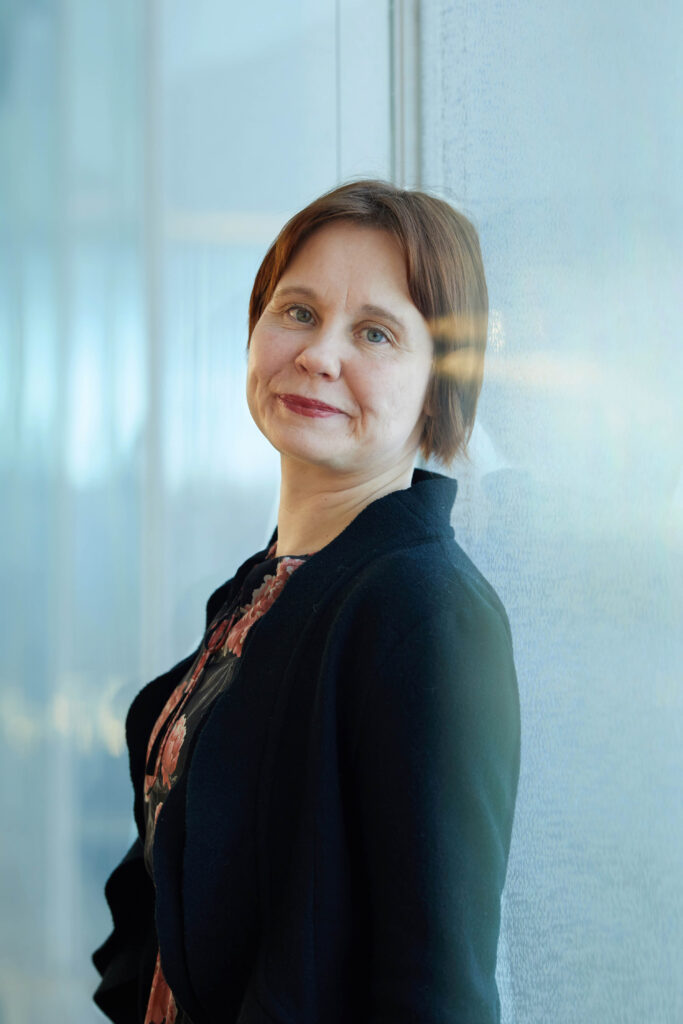
My academic background is in cultural studies, and through my work with the Foundation, the importance of research and academic freedom becomes apparent. I appreciate that the Finnish Cultural Foundation recognises the importance of research in the humanities because it explores the fundamental questions of our existence. I also think it is important that the Foundation supports art whose significance may not be recognised by the wider public. Not all the culture we consume needs to be easy.
Foundation work has become a natural way for me to contribute to causes I consider important. I am immensely proud of it, but I also reflect on my responsibilities. Have I fulfilled my role and done everything I can to advance important causes?
What kind of support do science and the arts need today?
Emphasising the importance of science and the arts is absolutely crucial at this moment in time. I teach media education at South-Eastern Finland University of Applied Sciences and therefore follow the media closely. Hate speech, conspiracy theories and the questioning of science are clearly visible in the media, and we need a strong counterweight to these developments. We need to take a stand, call things by their proper names and defend science and the arts.
What do you enjoy about being involved in the Finnish Cultural Foundation?
Working with the Foundation has broadened my worldview and is a continuous process of learning and personal growth. Having the opportunity to take part in actual decision-making has also been wonderful. On the other hand, we have to accept that we may not see the impact of our efforts. We may, for example, fund medical research that takes years to yield results. Nevertheless, I want to believe that even small actions can change the world.
As a cultural researcher, you have studied humour. What role does humour play in today’s world?
Humour is an integral part of being human. Few people would describe themselves as having no sense of humour. This reflects our need for entertainment, relaxation, pleasure and joy.
Laura Hokkanen“Humour can prompt us to reflect on contemporary issues or challenge our perceptions more powerfully than facts can.”
Humour can be compared to art. We tend to think that art should primarily bring us positive things and experiences. Similarly, humour is often perceived as entertainment, even though it also has a significant societal role. Humour can prompt us to reflect on contemporary issues or challenge our perceptions more powerfully than facts can.
Humour can also be used to cause considerable harm and exercise power. Both humour and art require a certain kind of literacy if we are to interpret their many layers of meaning. These interpretive skills need to be developed through practice.
What kind of cultural climate would you like to help create for the future?
I have had the opportunity to pursue an education and take on roles in which I can make a difference. I try to critically examine my own actions. I would like to be more daring, more courageous and quicker to respond to issues as they arise. We should not remain silent.
I wonder whether art, culture and science could do even more to defend people in vulnerable positions and uphold human rights. Silent acceptance is not a good thing. There are many of us, and we could join forces to build a better society and defend democratic values.