Many traditionalist protest parties have accumulated significant support in recent years’ elections in Europe, particularly in more remote areas. aThis has come as a surprise to the big media houses, and their news pieces often wonder at who these parties’ supports actually are.
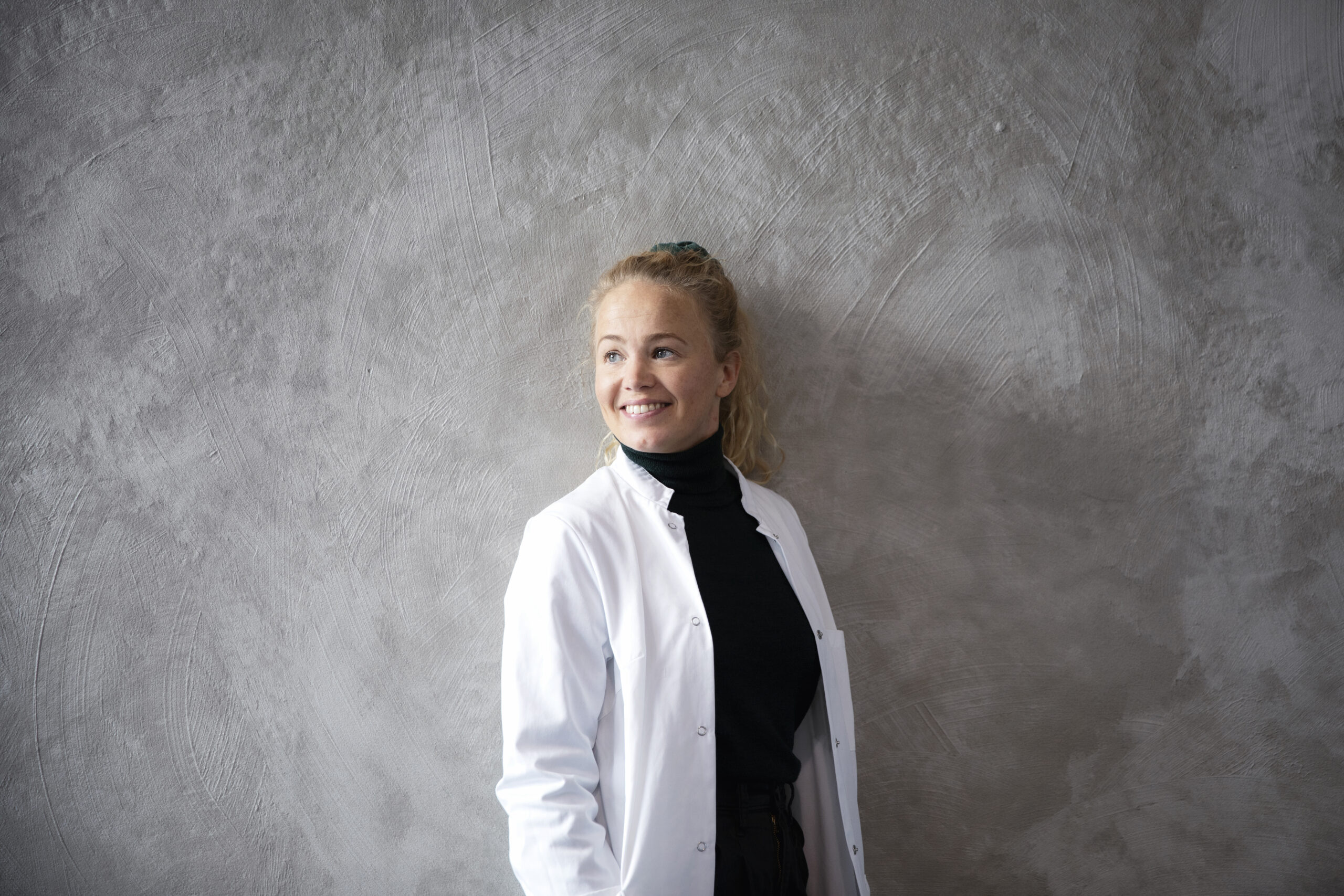
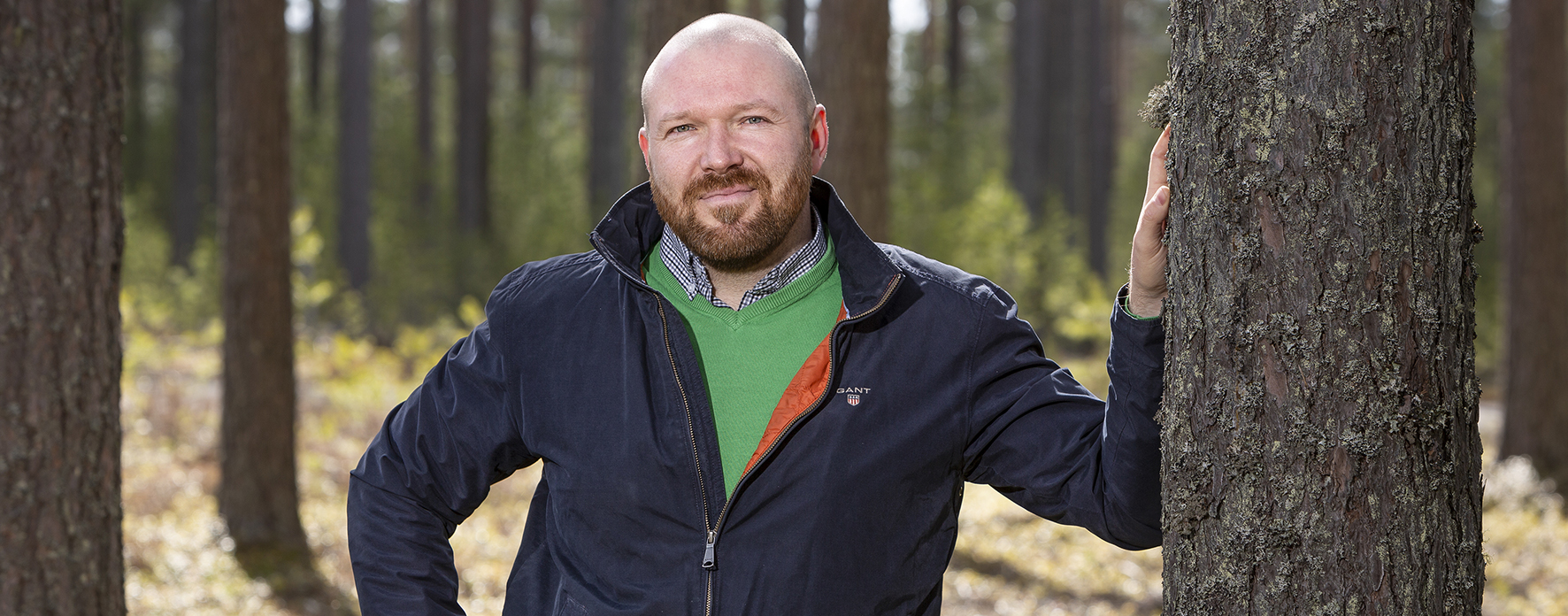
– Voters from remote districts are often referred to dismissively and end up misunderstood, says Anna Saraste, who works as a freelance journalist and a German assistant to the Finnish Broadcasting Corporation YLE.
She believes that this is because today’s mainstream media usually employ journalists with advanced academic degrees, most of whom already reside in larger cities.
– When Berlin-based or foreign journalists descend upon small Eastern German towns that are known for their xenophobia, they will find a local Neo-Nazi to interview.That is not particularly helpful in bridging the rural-urban gap, Saraste says.
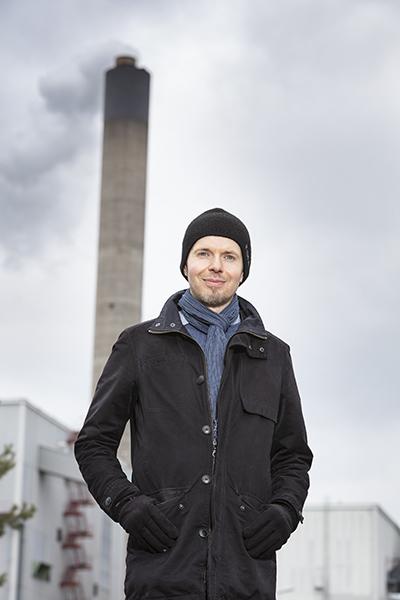
Together with YLE’s long-term correspondent in Brussels, Petri Raivio, Saraste became aware of this chasm in understanding when populist parties riding on the agenda of closing the borders started repeatedly having success in many European countries’ elections.The journalists decided to write a documentary book that would give a voice without judgement to people in remote areas.
In the process of writing the book, Saraste has visited Eastern Germany and Eastern Poland.Raivio has been to Central Finland and will travel to remote areas in a fourth country as soon as the coronavirus pandemic allows it.
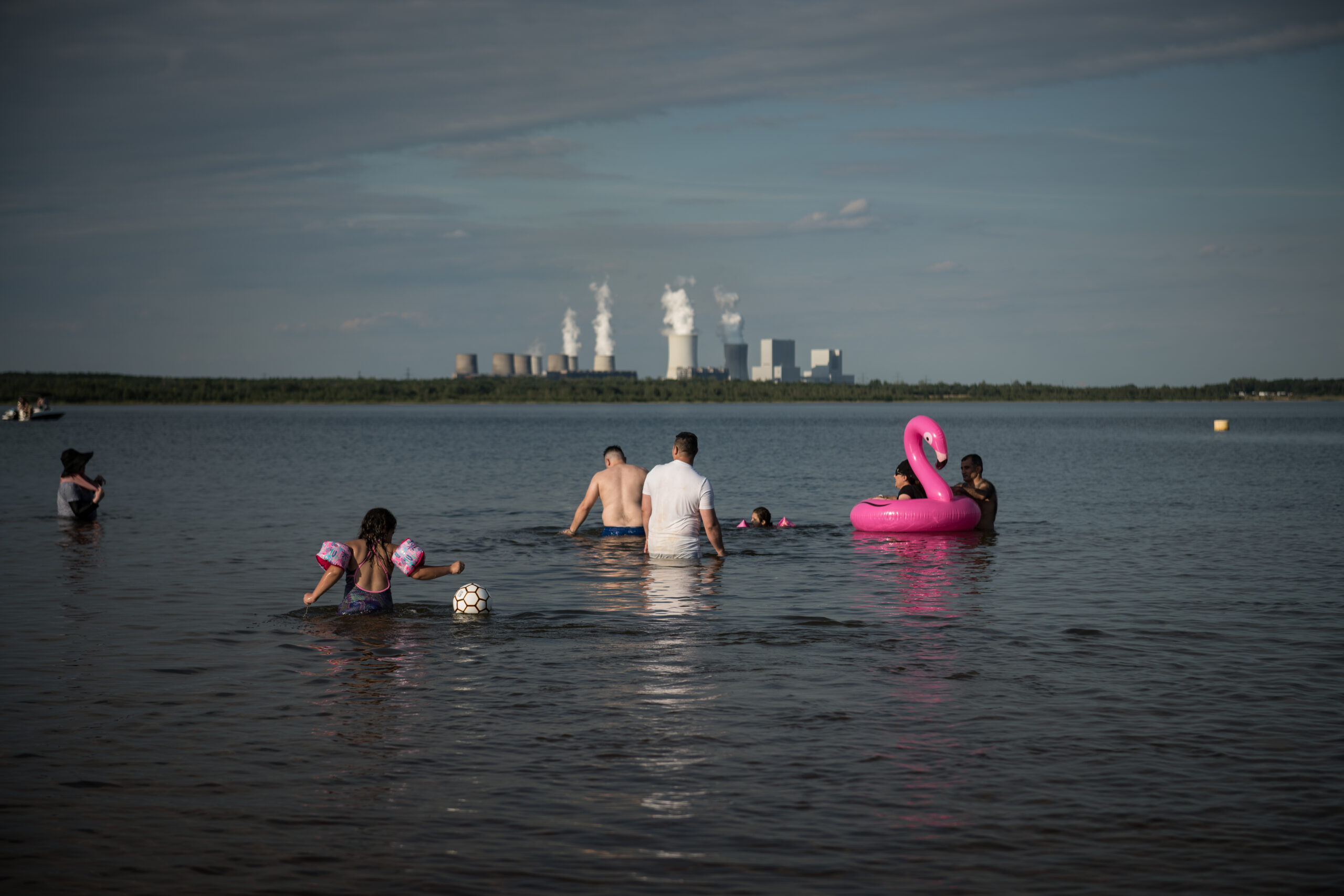
Initially, the book’s themes arose from rural opposition to internationalisation, but over time the connecting thread became increasingly tied to fossil fuels.Fossil fuels are extracted and energy is produced in remote areas, while opposition to the fossil fuel economy comes mostly from trendy metropolitan centres.
– In East Germany under the Iron Curtain, the dirty miner walking home after his shift was society’s greatest hero.Now he feels like the greatest villain, as the government cuts off mining subsidies and eco-activists come down from Berlin to attend demonstrations demanding the speedy shutdown of mines, Saraste says.
She strives to describe the realities of remote areas without unnecessary polarisation, for example by using the perspective of an unschooled miner who is a keen user of library services.He understands that coal must be given up as an energy source, but is at the same time aware of the social distress of mining districts.
– Quite coincidentally, he was the first person I went to interview in the mining town of Weißwasser.Now we have been in touch a lot, and discuss all sorts of issues, for example Hannah Arendt’s political philosophy.He is more well-read than many of my urban friends, Saraste says.
Fossil fuels are extracted and energy is produced in remote areas, while opposition to the fossil fuel economy comes mostly from trendy metropolitan centres.
Raivio was on a similar mission amid Central Finland’s marshy landscapes in Karstula, first meeting a local peat producer and then a local landowner who had turned their peat bog into a conservation area.
The peat producer explained in great detail how the permit process works these days, and how much tighter the controls are now on humus entering waterways.
– People used to be encouraged to enter the peat business, but quite soon the perspective shifted to peat production being something to close down altogether.Many find it hard to come up with anything else to do, however, and if this source of livelihood is cancelled, it will contributed to further depopulation of rural areas, Raivio explains.
He noticed that behind all their politeness, the people of Karstula shunned him at first as a representative of “the southern media”.When he explained the documentary nature of his book, they became more open.
– Peat producers are highly suspicious of the media, particularly the large media houses of the capital.They feel that representations of their business have previously been highly biased, Raivio says.
Petri Raivio (Master of Social Sciences) and journalist Anna Saraste received EUR 11,500 in a grant from the Paavo Koskinen Fund on 27 February 2020 for writing an investigative book on the mental landscapes of people living in remote districts in Europe.
There are more than 200,000 foundations in Europe, and a new one is established on average every four hours.
– Foundations struggle with very similar things all over the world, so it is constructive to discuss these issues with international colleagues, explains Antti Arjava, Secretary General of the Finnish Cultural Foundation.
– Usually we find that others have reached the same conclusions as us,and that in itself is a meaningful and reassuring realisation.
The EFC has been facilitating these kinds of contacts and looking after foundations’ interests for three decades already.It has around 200 foundations as members,including ten from Finland but only two from Sweden.Arjava sees a certain contradiction in the fact that the EFC claims to represent European foundations before the European Commission, but as its members it only has just over one in one thousand foundations from the region.
– On the other hand, most of the biggest foundations are members, and the foundations’ ideas as to how they should be treated by the EU are mostly aligned, Arjava says.
In its dealings with the Commission, the EFC advocates, among other things, for the concept of the “European foundation”. This would mean a model foundation that would be acceptable for all the EU countries, and which could therefore operate without problems within the whole Union.
The tightening of anti-terrorism and money laundering legislation has caused foundations additional hurdles.They have to be able to prove to banks that their money does not originate from and is not channelled to criminal activity.Particularly payments coming out of the United States are under close scrutiny.
– From our point of view, this is a bureaucratic hassle.I have never heard of a case of foundations being used in Europe for money laundering or supporting terrorism.Of course, if there were no regulation, someone might decide to try, Arjava says.
The EFC also advocates for foundations being exempt from value-added tax.
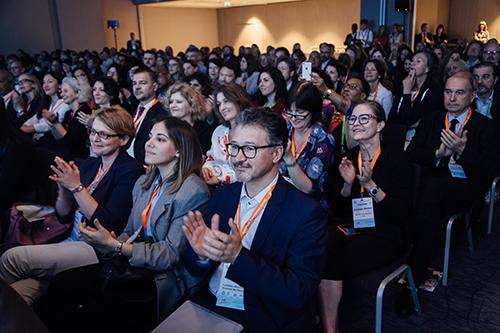
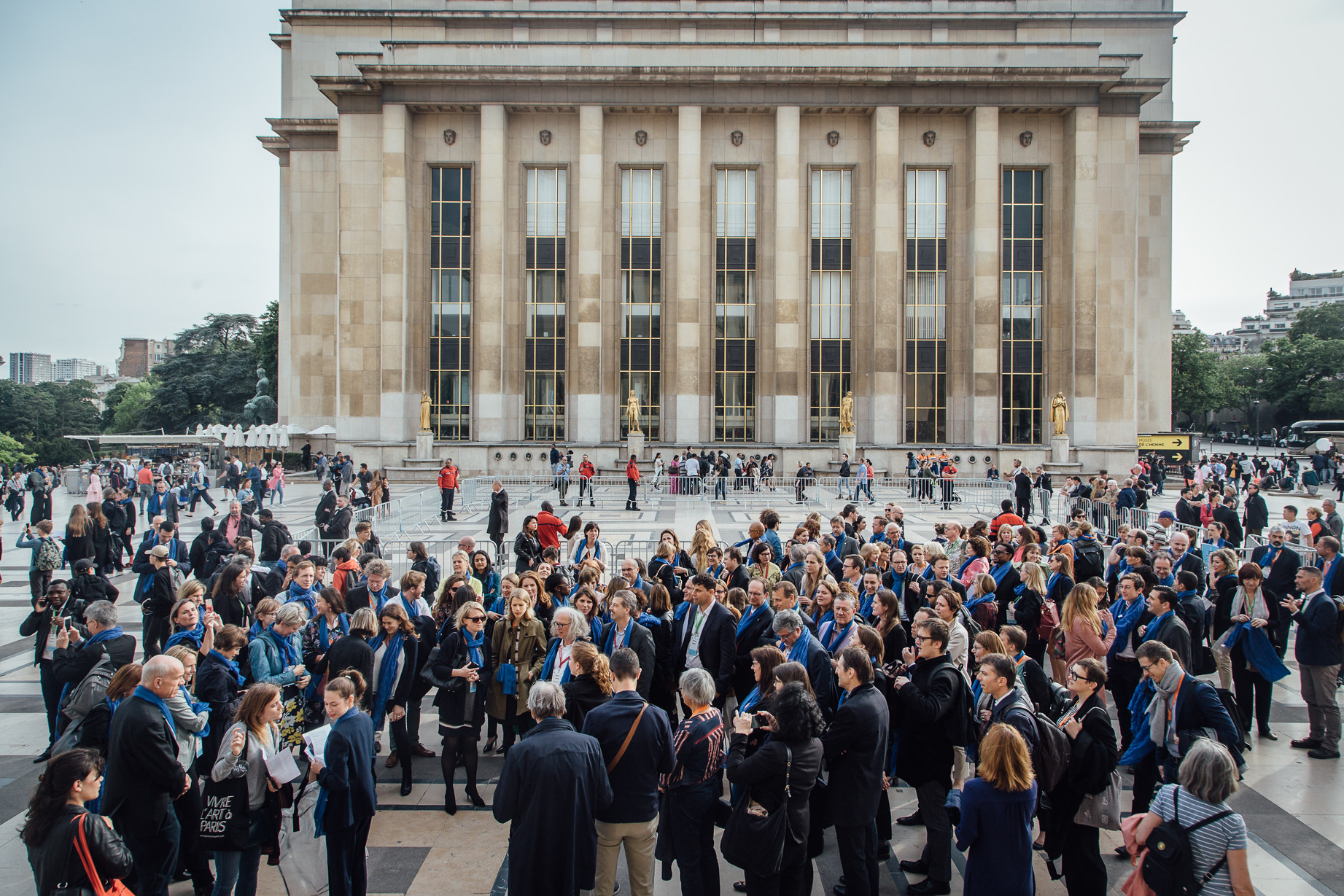
The EFC’s annual general assembly and conference AGA is a great way to network and learn about the host country’s foundations.
Representatives of the Cultural Foundation often travel to Brussels and to the EFC’s general assembly and conference, which takes place annually in different parts of Europe.This networking event lasting a few days helps members stay abreast of activities at other foundations around Europe and other parts of the world.It also helps likeminded foundations find each other.
Additionally, professionals from member organisations can network, engage in joint projects and learn from each other within the EFC’s task forces and subcommittees.
– Each foundation has its own areas of emphasis, target groups and operating culture, but at the end of the day our communication methods and channels are fairly similar.It is nice to meet colleagues who have to solve similar issues in their work, says Annakaisa Tavast, Head of Communications at the Cultural Foundation, who sits on the EFC’s communications network with another twenty or so members.
The network’s semiannual communications meetings offer new perspectives, as well as good ideas and best practices.
– When a Norwegian foundation presented a feedback survey they use in their application system, I immediately realised we have to adopt a similar one, Tavast says.
The EFC was established in 1989. In spite of its name, it does not exclusively accept European foundations as members.Especially at the start, American foundations were an important part of the membership.
At that time, Eastern Europe was coming out from under the iron curtain, and there was a pan-European euphoria related to international collaboration between foundations.
American foundations were interested in helping Eastern Europe get back on its feet after the Cold War, in the same spirit in which the United States used its Marshall Plan to raise Western Europe from the smoking ruins of the Second World War to keep the Soviet Union’s influence from growing excessively.
– The Europe of today is significantly wealthier than when the Berlin Wall fell.From the perspective of American foundations, Europe is capable of looking after itself now, so their attention has shifted to Africa and Asia. The line that Trump uses with regard to defence policy, that why should the US pay for European defence while Europe accuses America of militarism, also applies to the world of foundations.Europe can now afford to fund its own organisations, Arjava says.
Peer groups form an essential part of the EFC’s operations. In 2017, the Comms group’s meeting was hosted by Nordea Fonden.
The EFC’s membership fee depends on the size of the member organisation.The Cultural Foundation pays EUR 7,000 per year for membership,plus another EUR 15,000 in voluntary contributions to the EFC. Many foundations pay even higher voluntary contributions.
Arjava has sat on EFC’s Management Committee since 2016. He has strongly advocated for the policy that new member foundations should have some sort of link to Europe – ownership in Europe, an office here or operations linked to the continent, as even the organisation’s rules state.
Even though many of the current American members no longer fulfil these criteria, they did when they joined.
The EFC has, however, been joined by foundations that have never had links to Europe.There have also been discussions around foundations that have no stable sources of income.
In the EFC’s rules, a foundation is defined as an organisation that has its own financial resources, which it considers how to deploy.
– If the organisation has to consider how to obtain those resources, it is not a foundation by these rules, even if it is legally defined as one, Arjava explains.
According to Arjava, the more non-European foundations the EFC includes, the more its operations will have to focus on global questions.
– Of course globalization is a significant issue for the largest European foundations.However, most foundations in Europe have by-laws that set much narrower limits for their operations, for example promoting the development of a city, region or country.For instance, the Finnish Cultural Foundation’s mission is to support culture in Finland, Arjava says.
– If more and more members with a global outlook join the EFC, then national and regional foundations will be less interested in joining, because the emphasis of discussions will be too far beyond their scope.
A separate source of tension in the field of European foundations arises from the fact that, depending on how it is calculated, the EFC is not the largest organisation representing foundations.
In many countries, foundations belong to national associations, suchas the Association of Finnish Foundations, which has more than 200 members in Finland.
DAFNE (Donors and Foundations Networks in Europe) is a network of these national associations.It has thirty members, through which it indirectly represents more than ten thousand European foundations.
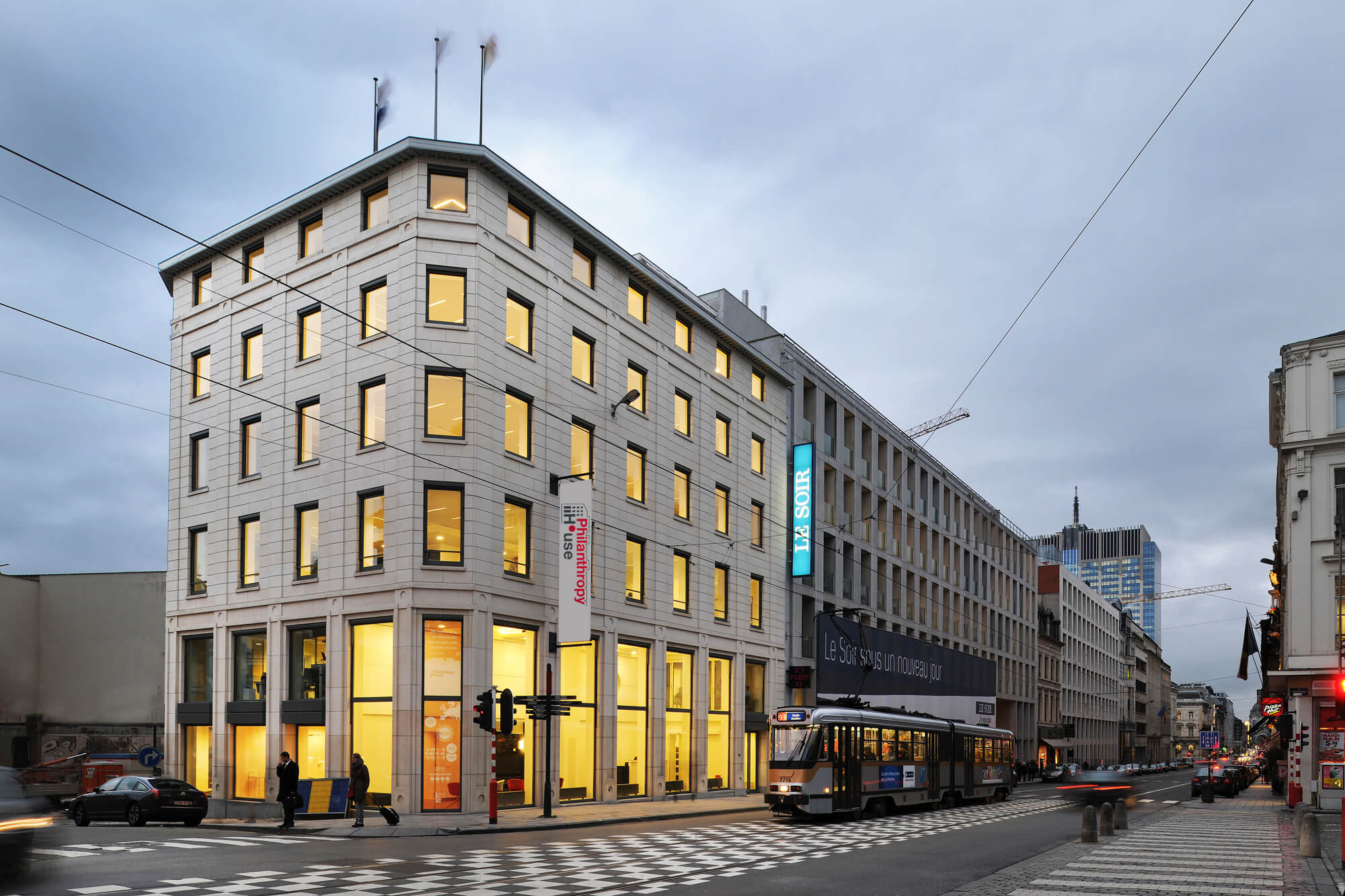
DAFNE’s office is in Brussels, in the same building as the EFC’s, and DAFNE considers that it, rather than its counterpart, should be the body that represents foundations before the Commission.
On the other hand, DAFNE was only established in 2006, based on an idea launched at EFC meetings.DAFNE has a much flatter organisation:only four employees compared to five times that at the EFC, which works directly with foundations and has a much larger work programme for its members and associated budget.
Arjava feels that it would be senseless for foundations to be represented by two competing organisations before the Commission.
– Brussels is too small for that.Additionally, in factual matters, the interests and perspectives of foundations are the same, regardless of who represents them.
For years, there has been talk – both behind the scenes and openly – of a possible merger between the EFC and DAFNE, and Arjava is a strong proponent.
– There was opposition to the merger for a long time, but now it might happen as soon as next year.Of course it is always difficult and time-consuming to discuss what the voting rights of each foundation and financing member should be, Arjava explains.
The foundations sector is centuries old, but it has only grown significantly in recent decades.
The first large foundations were set up in the United States.In Europe, the majority of foundations were established after the Second World War, and in most European countries more than half of them are less than 30 years old.Europe has now overtaken the US in terms of total foundation assets.
In different countries, foundations have very different starting points.
Denmark may be the country with the most foundations per capita, as well as the biggest total foundation assets in proportion to GDP.The biggest corporations in Denmark are owned by foundations – such as the Carlsberg Foundation, the A.P. Møller Foundation (Almenfonden) or Nordea-fonden – and these donate funds for the public good.
In Germany, foundations often also have an industrial basis.When after the Second World War the government wanted to privatise Volkswagen, which had been nationalised by the Nazis, it was done by establishing VolkswagenStiftung, the Volkswagen Foundation, which today shares nothing but its name with the automotive giant.Similarly, the Robert Bosch conglomerate has a foundation as its majority owner.
In Italy, a large proportion of foundations are former savings banks, because legislation passed in the 1990s forced these to become foundations.
In Portugal, the enormous Gulbenkian Foundation wields significant influence.The Turkish-Armenian oil magnate Calouste Gulbenkian owned five per cent of the then known Middle Eastern oil assets when he died.He bequeathed a large proportion of his wealth to a foundation that owns an art museum and funds an orchestra, among other things.
In Greece, a wealthy shipowner’s foundation, the Stavros Niarchos Foundation, not only builds hospitals but also relocated the National Library of Greece to share facilities with the Greek National Opera in an impressive new cultural centre in Athens.
In Southern Europe, as in the United States, foundations in general play a much bigger role in funding civic society and supporting marginalised groups.Comparatively, in Northern Europe, they have a narrower focus, funding the sciences and arts while leaving it to the government to hand out social assistance.
– The foundations that give out grants with a social basis have experienced an exponential growth in their website views and contacts since the start of the pandemic, says Annakaisa Tavast, Head of Communications at the Finnish Cultural Foundation.
– Foundations in some countries have had to reduce their spending due to this millennium’s financial crises, leaving some NGOs and civic organisations facing hardship.This would be hard to imagine in Finland, says Cultural Foundation’s Secretary General Antti Arjava.
Southern foundations may promote political views or take part in NGOs’ lobbying activities.An example mentioned by Tavast is the influencing campaign started by the Bodossaki Foundation in Greece at the start of the refugee crisis in 2015.
– The campaign included a video in which a cardboard box, spinning at the feet of multitudes in a busy street, goes unnoticed by most without a second glance, symbolised a refugee in need of assistance. It tried to encourage people to help in the humanitarian crisis, Tavast says.
In Finland, foundations primarily fund academic disciplines and culture, although these can be loosely defined.They do not necessarily aim for social change, but remain, according to their by-laws and due to the diversity of their donors, neutral, often emphatically so. Naturally, there are exceptions.
France is not a big country for foundations, because the focus there is on public rather than private funds, in the spirit of the French Revolution of 1789.The Fondation de France, which is comparable to the Finnish Cultural Foundation, has a semi-public character.Similarly, in Austria, the foundations sector is fairly underdeveloped.
The legislation that regulates foundations varies from one European country to the next.The definitions of “foundation” differ, as do the requirements set for them, but generally the largest foundations operate for the public good and in similar ways.
In the United States, a higher level of activity is required of foundations than in Europe:they must spend at least five per cent of their assets in an average year.There is no such requirement in Europe, and the average spend here is around four per cent per annum.The Cultural Foundation’s average is just under four per cent of assets each year.
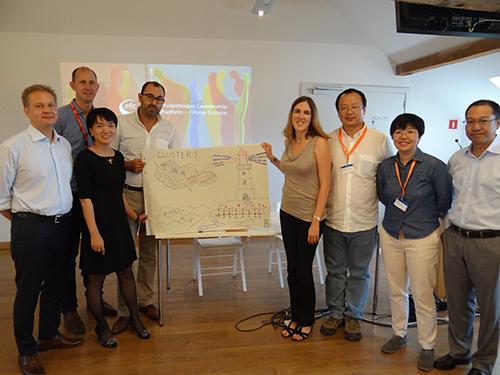
In 2016, EFC organized its first China-Europe Philanthropic Leadership Platform programme.
Eastern and Eastern Central Europe have seen a big rise in the establishment of foundations since the decline of socialism, but their desire to fund things often exceeds their actual assets.
Russia also has its foundations.For example, the foundation bearing the name of Vladimir Potanin, the oligarch who made his fortune during the privatisation of banks after the fall of the Soviet Union, is involved in the European Foundation Centre’s (EFC) activities.
– In Russia, operations cannot be autonomous of the government.Foundations have less flexibility than in the West, but it is possible for them to donate to culture and the sciences in Russia, too, says Antti Arjava.
Nor are foundations unheard of in China.In 2016, EFC organized its first China-Europe Philanthropic Leadership Platform programme funded by the German Stiftung Mercator, inviting ten Chinese and ten European participants to Brussels for ten days to enhance their strategic and change leadership skills. The programme now runs annually and the location alternates between Brussels and China, though this year, due to the pandemic, it takes place online.
The Finnish Cultural Foundation was represented by its Director of Cultural Affairs, Juhana Lassila.Some of the global trends identified by Lassila are the fact that foundations are increasingly aiming to bring about change and to solve global problems.
– This is why they invest heavily in social and political influence.Achieving such overarching goals requires more and more partnerships, not just between foundations but also with other stakeholders, such as commerce and industry.These days impact is a buzzword, Lassila says.
The Cultural Foundation is actively involved in the international foundations field and its management, for example through the The Hague Club and the European Foundation Centre (EFC).There are also yearly meetings between Nordic foundations.In 2019, the meeting was hosted by Helsinki and had nearly 170 participants from the whole Nordic region.
The Cultural Foundation has not previously collaborated on initiatives with foreign foundations;now, it is involved in a joint research funding programme for the humanities and social sciences together with the Society of Swedish Literature in Finland, the Swedish Cultural Foundation in Finland, the Brita Maria Renlund Foundation, and the Bank of Sweden Tercentenary Foundation to provide grants for the investigation of the social challenges of the twenty-first century.
The Cultural Foundation’s Board decided that if good applications are received by the programme, the Cultural Foundation can contribute EUR 0.5–1 million to its grants.
– The Cultural Foundation’s mission is national, but it is wise to seek operating models beyond our borders.The Nordic societies are similar enough in nature for this kind of programme to offer the necessary synergies, Lassila says.
Is there anything unique about the Finnish Cultural Foundation or Finland on a global scale?
The fact that the Cultural Foundation was started up by hundreds of thousands of ordinary Finns is a nearly unheard-of phenomenon around the world.In other respects, Antti Arjava says that foundations’ activities are similar all over.
– What is fairly unusual is the Finnish custom of handing out individual grants to artists and researchers.The larger foundations around the world seek impact by making large one-off grants, preferring to give higher lump sums to a whole university or a large research group.
Even though foundations are sitting on billions of euros in assets, they are not a major operator compared to national governments.If the funds of all the European foundations that support academic disciplines were put together, they could fund European academia annually for only a single week, and the rest would have to come from governments.
– The strength of foundations lies in the fact that they can make decisions more freely and quickly than governments, Arjava says.
Investment Directors Meet at EFFIO
The chief investment officers of the large European foundations get together within the EFFIO.
The chief investment officers of the large European foundations get together a couple of times a year within the EFC’s European Foundation Financial and Investment Officers Group (EFFIO) – once a year in the EFC offices in Brussels and once hosted by one of its members.This year’s meetings have been conducted remotely.
EFFIO has some thirty members, representing around ten countries and a total of approximately EUR 100 billion in assets.
– The legal and tax frameworks vary between European countries.Still, the challenges of long-term investing are the same for all of us: how to maintain a sufficient amount of capital that enough of it will be available for our charitable purposes,” explains Ralf Sunell, Chief Investment Officer at the Finnish Cultural Foundation and long-term member of EFFIO.
These challenges are discussed in EFFIO using the Chatham House Rule: participants are free to use the information received, but neither the identity nor the affiliation of the speakers may be revealed.Trust and confidentiality are two of the basic pillars of EFFIO’s activities.This allows the investment directors to disclose to each other what asset classes (e.g. property, bonds, stocks) they invest their funds in so that they can maintain their foundations’ capital and ensure there is enough of it to share.
EFFIO’s members also respond to annual surveys on their investments and returns.Their responses are compiled into a report that is only for members, which allows them to compare their own performance to that of their peers.
– It is not a competition, but comparisons are always useful.Each foundation has its own asset-related targets and different levels of risk tolerance, which is of course reflected in returns,” Sunell explains.
In their meetings, the peers also discuss responsible investment and sustainable asset distribution levels, and try to predict global political and economic challenges to come.
– Currently our British colleagues are battling with Brexit and how the pound should be viewed as a home currency when investing.”
Because EFFIO’s members include some of Europe’s largest foundations, it is easy for them to obtain high-level speakers from the European Commission, parliaments, universities, asset management and other stakeholder groups.
EFFIO is also in contact with its American counterpart, FFOG (Foundation Financial Officers Group),with which it holds a joint meeting once every five years or so.
Osteoarthritis is the most common type of arthritis, a joint disease that affects up to 20 per cent of the population at some stage in their life. It has a lot of health-associated problems, and can often lead to early retirement.
The current treatments include non-steroidal anti-inflammatory drugs, repairing the damaged cartilage area with biomaterial refill, or replacing the affected joint with a prosthetic implant. All options are suboptimal and come with side effects such as risk of infection and even increased mortality, while the costs to the public health system are significant.
– The common perspective has been that osteoarthritis affects old and obese people, and is caused by wear and tear of the joints. We now know that it is caused by many factors yet the disease is not widely understood and that’s why treatment options are limited, says Gonçalo Barreto, a postdoctoral researcher at Helsinki Rheumatic Diseases and Inflammation Research Group at the University of Helsinki.
Originally from Porto in Portugal, Barreto got interested in the subject during his master studies in biomedical engineering, and deepened his understanding by obtaining a PhD at the University of Helsinki by looking into how osteoarthritis evolves from immunological perspective.
– We looked at the main factors that lead to inflammation in joints so that we could figure out specific biomarkers for the disease. That way it is easier to see what stage of disease the patient has, and how the disease is progressing, Barreto explains.
Osteoarthritis and cartilage damage go hand in hand
Taking his research further, Barreto is currently looking into gene editing in order to find out whether it could be applied to invent better treatment options for osteoarthritis in the future. The research project is partly funded by The Finnish Cultural Foundation.
– We now know that certain genes and molecules are particularly important when trying to prevent the disease. We use a famous gene editing technique called CRISPR-Cas9, which allows us to read the DNA and change the gene to stop its activation, he tells.
Because osteoarthritis goes hand in hand with cartilage damage, it is vital to treat both.
Patients with osteoarthritis always have cartilage damage, and on the other hand, if cartilage damage is left untreated, patients will inevitably develop osteoarthritis later in life.
– When the cartilage starts to break down, it releases fragments, which are known to lead to inflammation response. We try to block that within the cell by going to the particular molecule that we know that mediates the signalling of this receptor. By targeting just one master molecule we can shut down the main inflammatory factors responsible for cartilage degradation and osteoarthritis disease development, he explains.
Applying gene editing could reduce several risk factors
Applying gene editing could streamline the current two-step surgery that is often required in the conventional treatment method, which is performed by taking the cells from the patient, manipulating them in the laboratory, and then injecting them back in an additional surgery.
– The proposed gene edited allogeneic chondrocytes are off-the-shelf ready, and so all we need to do is to inject them with a hydrogel when the cartilage damage is being fixed in the operating theatre. It is less risky in that way, Barreto says.
Right now Barreto and his team are working in laboratory conditions to demonstrate that the tissue in the cartilage can indeed be protected and repaired by blocking the inflammatory stimulus. If the method proves effective they will test in on animals and if successful, humans.
– If our research is effective, it might open the perspectives of having similar approaches in genome editing to treat osteoarthritis, and even other arthritic conditions. We are still in early stages but so far the results have been promising.
Postdoctoral researcher Goncalo Barreto received a 30 000 euro grant in 2020 to study how gene editing could be applied to treat the common joint disease.
Malocclusions are common oral health problems, which are treated with significant public funds. They have an impact on oral functions including eating and speech but also on aesthetic appearance, social interaction, self-esteem, and psychological wellbeing. Researchers and clinical practitioners have lately shown interest in individual impacts of malocclusions on quality of life but on a population-level the subject has been rarely researched.
– Most of the studies were conducted among children and adolescents. In that sense our study population is unique and significant because it consists of adults, which means that we can evaluate the impacts of malocclusions on a long-term basis, tells Linnea Närhi, a dentist and doctoral student at the University of Oulu, who is currently working on a thesis funded by a grant from the Cultural Foundation to investigate the connection between malocclusions and orthodontic treatment, and oral health-related quality of life.
Quality of life research supports patient-centered health care
Närhi’s investigation is part of the Northern Finland Birth Cohort 1966 study conducted with research material originally comprising of the children born in 1966 in the provinces of Oulu and Lapland. Närhi was involved in the 46 year-olds’ follow-up study. The study group consisted of 1964 volunteers, who participated in a standardized clinical oral and dental examination, including the registration of occlusion and digital 3D dental casts.
In addition, the participants filled in a questionnaire concerning their oral health-related quality of life. So far the results have strengthened the idea that malocclusions really are associated with oral health-related quality of life.
“We found out that men had more severe malocclusions but women experienced greater impact on their quality of life.”
– It was surprising that the gender difference was so significant. We found out that men had more severe malocclusions but women experienced greater impact on their quality of life. On the other hand the research revealed that people can adapt to their condition, and may not experience remarkable impacts of even severe malocclusions, Närhi tells.
The results of the three-part research are aimed for publishing in international high quality orthodontic journals, and presented in international congresses. The first sub-study of the thesis is already complete, and it was published in May 2019 in the European Journal of Orthodontics. The concrete benefit of the study will be seen in health care as an increased understanding of the impacts of malocclusions.
– Thanks to the research we will be better at understanding what is significant for the patient, and defining which malocclusions should be treated. Health care resources are limited, and so it is important to determine, which patient groups benefit from treatment the most. Quality of life research is intended to explain patient’s perspective, which should always be taken into consideration when assessing the demand of orthodontic treatment, Närhi concludes.
Dentist and researcher Linnea Närhi received a 31 500 euro grant in 2020 to study the connection between malocclusions and oral health-related quality of life.
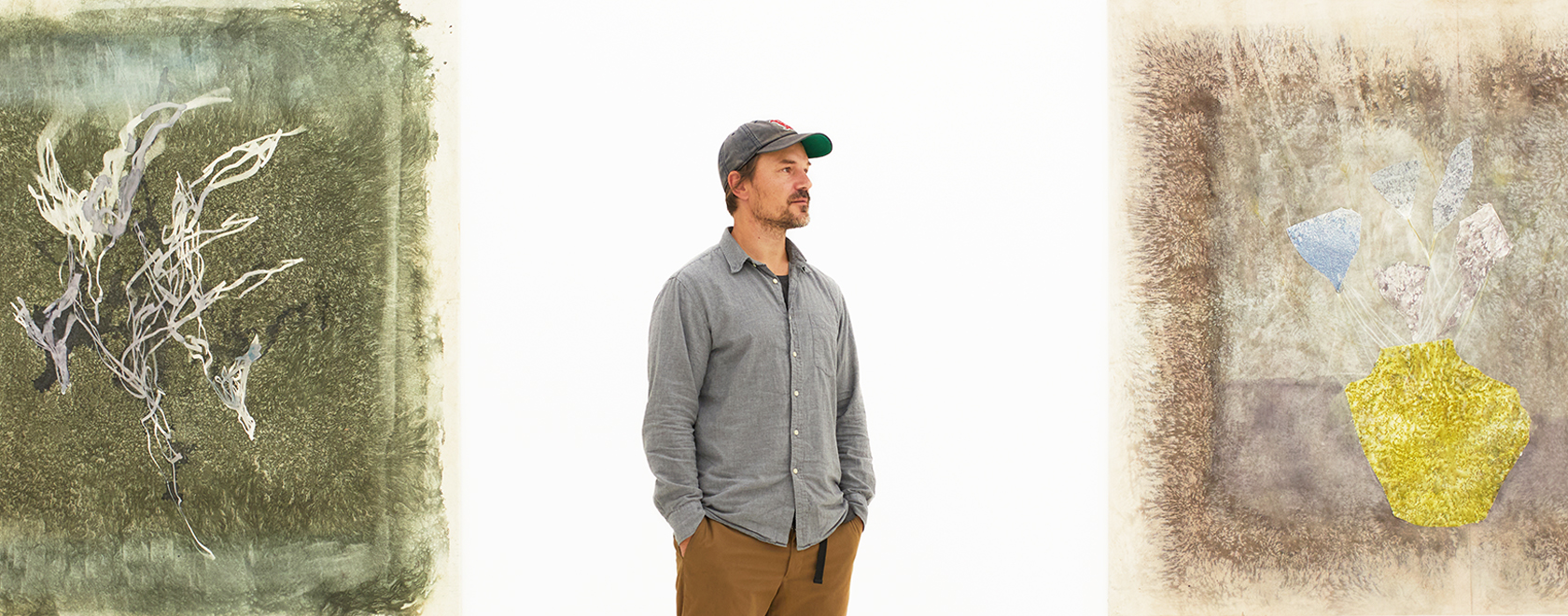
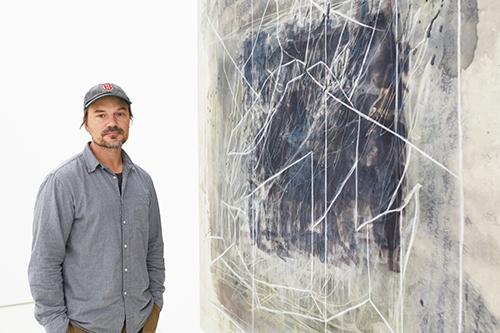
The on-going year has been unusual in many ways, and the exceptional circumstances have affected Miikka Vaskola‘s daily life too. Some of his planned exhibitions were pushed back from this year to January 2021, and the artist, who usually works in Helsinki’s Lauttasaari, relocated his studio to the outer archipelago in Tammisaari to put together his solo exhibition at the Helsinki Contemporary.
The name of the exhibition, Shore to Shore, refers to the many boat journeys Vaskola has taken during the spring and summer. It also indicates the way light travels from space and reaches the eye of the spectator, moving from shore to shore.
Some of the new large-scale artworks are screen paintings, which Vaskola has painted directly on window screens so that the surface becomes visible while the painting behind it remains shielded.
“First they are these little maggots, and when they hatch, something else comes out of the cocoon than what originally went in.”
For this exhibition Vaskola has created sculptures for the first time ever. Made of plaster, fallen wood and epoxy, the organic shapes form a collection titled Instar, which refers to a developmental stage of arthropods.
– First they are these little maggots, and when they hatch, something else comes out of the cocoon than what originally went in. It is an interesting concept that resembles the way artists reinvent themselves, or do something different to what they have previously done, Vaskola explains.
All and nothing
The best thing about art, according to Vaskola, is that it can be anything. Art can take a societal stance – or not. For Vaskola art is a way to process and work on things and ideas through trial and error. He is fascinated by the idea that something can be all and nothing, both at the same time.
– Art has no purpose at all, and on the other hand it has a lot of purpose. Time is another concept that is everywhere and nowhere. People do everything they can to control it but at the same time time doesn’t exist. I’m interested in the moment in between the past and the future, and how that takes form. Or if there is no time, it doesn’t take any form, he says.
Vaskola prefers to work during evenings and night-time, when the city around him quiets down. Completing one piece of art takes around one and half years. The biggest challenge, according to Vaskola, is how to transfer a thought from his head to the canvas. Even if he has a clear idea of what he wants to do, the end-result is always something else. When he makes a mistake, he washes it away and keeps going.
– I started doing that when I was still a student and couldn’t afford to buy new canvases all the time. Not everything goes perfectly right away, at least not for me because I work on one piece for such a long time. The time spent working becomes evident and I like seeing how the painting gradually turns out, he tells.
The artworks speak for themselves
Helsinki Contemporary art gallery has represented Vaskola for years. For him the collaboration means added accountability but he also feels more at peace to create art.
– A good thing about working with a gallery is that I get help with curating, and that we can have a dialogue. It helps a lot as I work by myself – especially if I feel that what I’m doing isn’t enough. It is good to have someone who has the courage to say that this is not enough. Then we discuss why that is, and it is easier to move forward, Vaskola tells.
“When the exhibition is hung and complete, I see a lot of things that I hadn’t noticed before.”
Seeing the final hanging can be an eye-opening experience that embodies years of work. Yet Vaskola feels that talking about the artworks never gets easier.
– I work so intensely that I find it difficult to see the artworks clearly, and it feels impossible to verbalize years of working. When the exhibition is hung and complete, I see a lot of things that I hadn’t noticed before. I can experience quite cool moments when I see that yeah, that one turned out quite good.
Artist Miikka Vaskola received a grant of 26 000 euros in 2020 for artistic work.
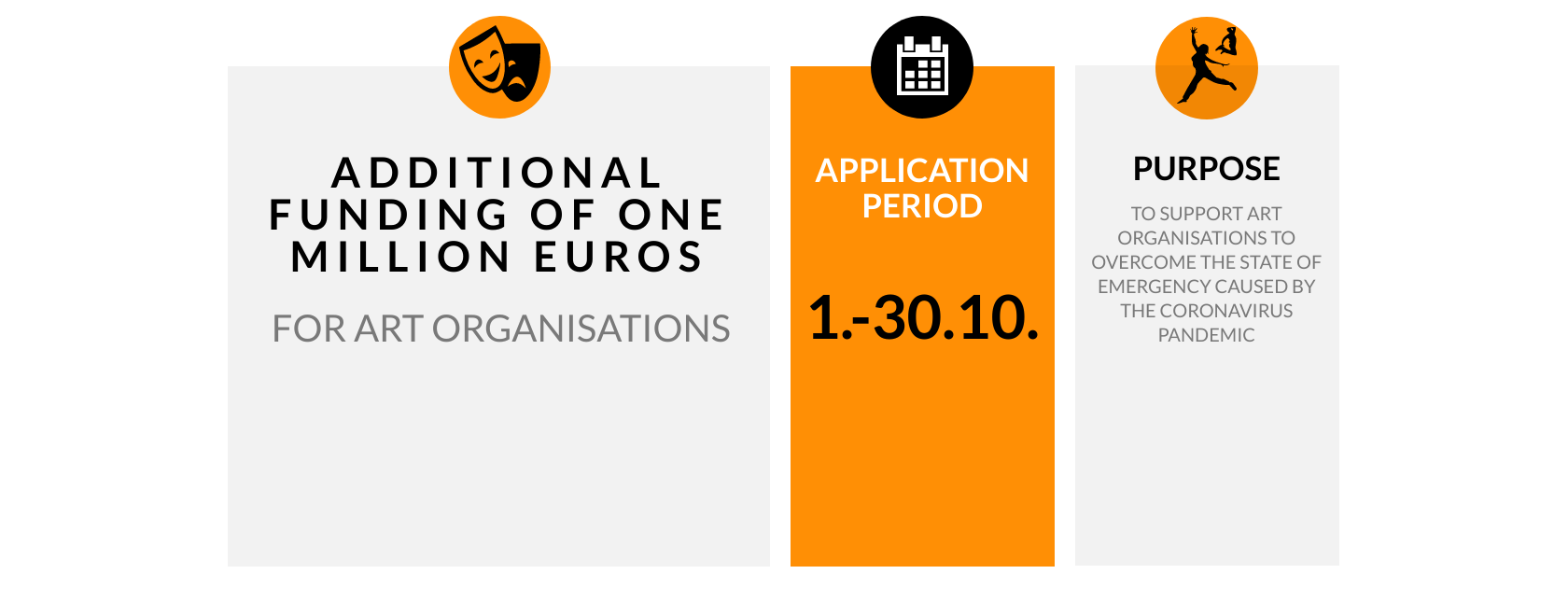
– The pandemic has hit organisations active in the cultural and events sector particularly hard, and support is needed. The Cultural Foundation for their part is looking to help high-quality art organisations around Finland to withstand the pandemic and remain operational during the period of uncertainty, explains Jari Sokka, Chairman of the Board of Trustees of the Foundation.
The additional grants will be distributed in even ten-thousand-euro sums between 20.000 – 50.000 euros. The grants can be used, for example, to pay salaries or to cover the rental expenses of rehearsal spaces. The grant decisions will be announced to applicants in mid-December and the additional grants paid out within the current calendar year, unlike other grants in the October round of applications.
This March already, the Finnish Cultural Foundation provided half a million euros as emergency aid through the Arts Promotion Centre Finland Taike to assist arts and culture professionals adversely impacted by the coronavirus pandemic. At that time, the combined funding of Taike, the Ministry of Education and Culture, and a number of Finnish Foundations reached 1,5 million euros. In addition, this spring, the Cultural Foundation through its regional funds distributed a further half a million euros of additional coronavirus funding.
In 2021, the Cultural Foundation will award a total of at least 43 million euros in grants, of which about 26 million euros in the Central Fund October round of applications and 13 million in the regional fund January round. The rest will be awarded e.g. through pools and in the Foundation’s March and August rounds. Including the Art Testers and other projects, the total funding of the Cultural Foundation to culture during the financial year will come up to about 50 million euros.
The Central Fund grant applications are open from 1 to 30 October 2020. Applications can be submitted at the Online Application Service which closes on the deadline date at 4 pm Finnish time (EET).
What feels like an ordinary “summer cold” can actually be a viral disease spread by mosquitoes. In Finland, mosquitoes transmit the Inkoo and Chatanga viruses and, particularly in eastern and central Finland, Sindbis.
– Usually the symptoms caused by these viruses are akin to those of a brief summer fever. Under normal circumstances, few people will consult a doctor over a short bout of fever in the summer, so there are likely more unknown than known cases, explains Essi Korhonen, postdoctoral researcher in virology from the University of Helsinki.
Recently, a few dozen cases of Sindbis virus, i.e. Pogosta disease, have been recorded in Finland annually, with the exception of 2002, when there were 600 recorded cases.
Pogosta disease causes a rash that disappears quickly, but unlucky patients can suffer from years of recurring joint inflammations. The Inkoo and Chatanga viruses can occasionally also cause neurological symptoms.
It is worth staying on top of mosquitoes and the diseases they spread, because in warm countries mosquito-borne diseases such as malaria, Zika virus and dengue fever are a major problem.
– With the warming of the climate, new mosquito species could spread into Finland that transmit new diseases. Additionally, Finns can already bring back viruses from their travels which could even be transmitted by our local mosquitoes, Korhonen explains.
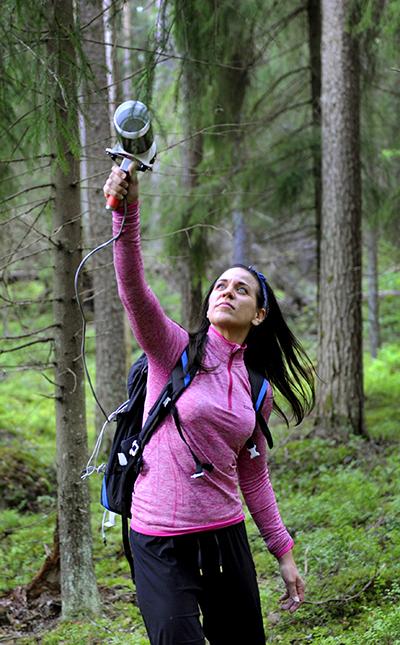
Essi Korhonen collects mosquitoes using an insect vacuum. It may look like a hair dryer, but instead of blowing it sucks air.
Korhonen also received funding from the Cultural Foundation to take part in a University of Helsinki team surveying mosquito species. Their paper, published this year, reported that Finland is host to 43 species of mosquito, which is two species more than were found in a similar survey in the 1970s.
– That in itself does not mean that the species were new. They might just not have been observed earlier.
The mosquitoes were also found to carry many new viruses. These are not transmitted to humans and have therefore not been studied much before.
– The mosquitoes’ own viruses may, however, influence their tendency to carry viruses that are harmful to humans. They could sensitize a mosquito to human viruses or, conversely, prevent their ability to carry human viruses. This could be significant in terms of the spreading of these viruses to Finland.
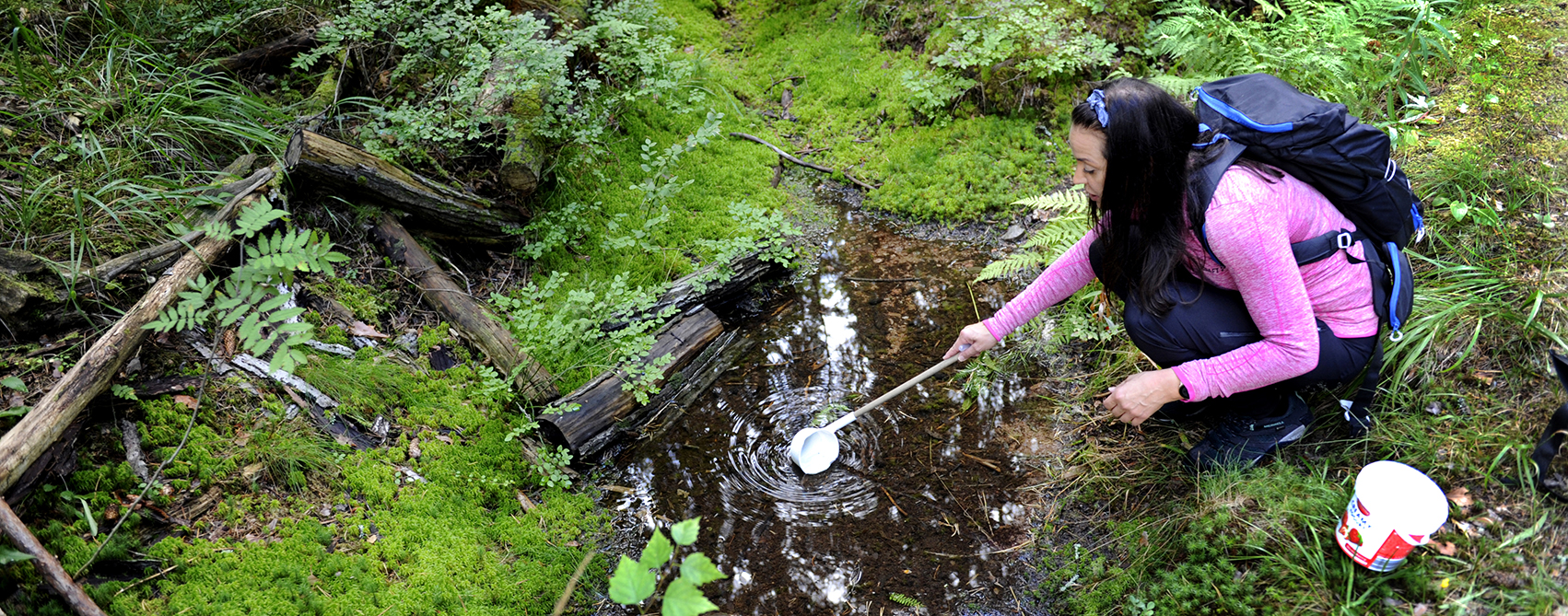
Korhonen analyses urine and blood samples obtained from patients, as well as mosquito samples. She uses a bucket to scoop up mosquito larvae from pools of standing water, and an insect vacuum – a devide that looks a bit like a hair dryer – to capture adult females.
She has also been involved in a joint insect team of the Universities of Helsinki and Nairobi for the last five years. Patient blood samples and mosquitoes have been collected from the slums of Nairobi, from a research station of the University of Helsinki in Kenya’s Taita Hills, and from the shore in the Mombasa region.
At the same time the researchers make observations of the environment in order to model how it affects the spreading of mosquito-borne diseases. In the Taita Hills they found a highly urban strain of dengue virus, which was of Indian origin.
These work trips are far from leisure. The researchers might spend their days with an insect vacuum on all fours on the floor of the public latrine of a tiny village, roaming through dense, foggy forests or climbing over piles of tyres at garages.
Mosquitoes are often collected in people’s homes and on market sites.
– When we return to base at seven thirty, we still have to sort through them all and freeze them, otherwise there is no point in collecting them. The work will often go on until the early morning hours, and by sunrise we have to start getting ready for a new collecting expedition.
At the same time, the Finnish researchers are helping the Kenyan scientists to create research infrastructure of their own, as well as advising ordinary people.
– If we find an abnormal amount of mosquitoes in a village, for example, we will encourage people to cover any pools of standing water. All in all, our reception in Kenya has been very warm and welcoming.
This summer, Korhonen has been studying rabbit fever (tularemia) in Ostrobothnia. For some reason, mosquitoes transmit Francisella tularensis bacteria in Finland and Sweden, while elsewhere tularemia is not mosquito-borne.
Meanwhile, the Stadin Hyttyset (Mosquitoes of Helsinki) project is surveying the mosquito species and mosquito-borne viruses of the Helsinki Metropolitan Area.
– By Finnish standards, it is a densely populated area, and it also has the most entry points into the country.
How afraid should Finns be of viruses transmitted by mosquitoes?
– Not particularly afraid. I wouldn’t give up having forest walks because of it, Korhonen says.
Due to the coronavirus pandemic, the Finnish Cultural Foundation has been forced to postpone almost all confirmed 2020 residencies and it is still uncertain when a part of these will be realized.Therefore, the situation will also affect the implementation of residencies in 2021.
– It has been challenging to plan international residencies amid the uncertainties of recent months, to say the least, and it is still impossible to predict any timetable for when residencies might start accepting artists, explains Senior Advisor Johanna Ruohonen, who is in charge of the Foundation’s residency programme.
The residencies opening for applications in 2021 can only be confirmed at the beginning of August, but the application period, in its adjusted scope, will open as usual on 10 August 2020.At the moment, the residencies opening for applications will include at least Filba in Buenos Aires, aimed for writers, the Sydney Artspace for visual artists, and the Tokyo Arts and Space for artists in creative fields.The Tokyo-based AIT residency will exceptionally feature a two-month residency period, and successful applicants will be encouraged to travel by land and/or sea.
As for New York Triangle and Seoul SeMA Nanji, the residencies postponed from 2020 will fill up the quota of the Foundation in 2021, so these locations will not be open for applications this year.Instead, in July, the Triangle, in cooperation with the Finnish Cultural Institute in New York, will open for application the residency periods postponed from fall 2020 for Finnish artists residing in North America – who are not under travel restrictions because of the COVID-19 pandemic.
– The situation is difficult for artists, whose timetables the coronavirus has played havoc on, as well as for our residency programme partners, whose facilities have become empty and all activities would be preferred to be postponed to 2021.This will also lead to financial difficulties, especially for the smaller institutions.The Foundation aims to carry out all residencies already agreed upon, and new residencies will open according to the receiving capacities of our partner institutions, Ruohonen says.
Slow travel by train or by ship
The Finnish Cultural Foundation encourages artists leaving for their residencies to travel in as climate-friendly way as possible. Artists travelling to destinations reachable by rail and ferry traffic are awarded raised travel grants if they agree to travel to their destination without flying. In these cases, the grants for destinations in Asia are EUR 5,000, which compensates both the higher ticket prices as well as time spent on travelling as working time (2 weeks/direction).
A working grant in the Foundation residencies is EUR 7,000 for a period of three months. Additional information on the residencies can be found on the Cultural Foundation’s homepage under the individual locations.The residencies to be included in the August round of applications will be listed on the Foundation’s homepages in the first week of August.
What role do forests play in climate change? This is one of the burning questions in current climate research and policy.
Growing forests absorb carbon dioxide from the air and act as carbon reservoirs. Therefore to combat climate change, we must either increase the growth rate of forests or protect their existing carbon stores by delaying logging.
Researchers disagree, however, on whether the emphasis should be on carbon sinks or carbon reservoirs. This is a highly politicized question in Finland, because forestry is one of the country’s traditional economic cornerstones.
The situation is made more complex by the fact that a large proportion of felled trees ends up used for energy. Logging and milling generates large quatities of wood chips, sawdust and shavings that are incinerated for energy production in large power plants, smaller regional heating plants or household boilers. Meanwhile many households in Finland also burn firewood in fireplaces and saunas.
– If there was less logging, the same energy would have to be generated in another way, possibly using fossil fuels, explains forestry researcher Antti Kilpeläinen from the University of Eastern Finland in Joensuu.
The complexity does not end there, either. Forests and their use also affect the climate through particulate matter known as aerosols.
– This effect is ignored in existing life cycle models because there is no comprehensive data on the particulate emissions impact of wood burning, Kilpeläinen says.
Particulate pollution is well known to climate scientists but fairly unfamiliar to the general public.
Burning wood generates carbon dioxide. It is the main greenhouse gas and it indisputably produces climate warming.
The aerosols that are created in the burning process, on the other hand, can either cool or warm the climate.
Biomass combustion gases often include so-called black carbon. When biomass burns, it releases a large amount of small carbon particles in the form of soot. Often some of that soot remains uncombusted in the incinerator or fireplace. When released from a chimney, these black particles bind the sun’s radiation and heat up the climate.
Olli Sippula specialises in particulate emissions from wood combustion. Photo: Harri Mäenpää
– Black carbon is particularly harmful in Arctic areas. When the particles fall onto snow, they absorb the sun’s heat and speed up melting. If melting uncovers the ground, it further accelerates warming because the dark earth absorbs heat that snow would reflect back into space, explains Olli Sippula, associate professor in emission chemistry from the University of Eastern Finland’s Kuopio campus.
Sippula is an expert in particulate emissions from wood combustion, while Kilpeläinen specialises in life cycle analysis of wood products. They intend to create a database of the particulate emissions of wood and fossil fuels.
In conjunction with this, they intend to estimate the life-cycle particulate emissions of oil-based products, such as plastics, relative to comparable wood products. They will obtain the data for the database by making their own measurements and studying research literature.
It will help in considering whether it makes sense to try to replace coal, oil and gas with wood and if so, in which products and how, exactly.
For example, the size of the boiler used for wood or oil combustion is very significant.
– In industrial boilers, combustion is efficient and effective particle filtration is required by law. However, in Finland, 60% of black carbon emissions come from household fireplaces and boilers, Sippula explains.
Overall, wood biomass combustion generates more black carbon than oil combustion. Were households to replace oil burners with wood burners, it would increase black carbon emissions and contribute to climate warming. In contrast, climate-cooling sulphur emissions are much higher from fossil fuels than wood. Therefore, with regard to aerosols, it would seem that favouring wood contributes to global warming.
The impact of aerosols is, however, only one factor among many.
– Firewood is naturally created as a by-product of forestry and the forest industry. Observing the life cycle of forestry as a whole, it might still make sense climate-wise to burn our readily available wood fuels, Kilpeläinen says.