Improving end of life with the help of virtual tools

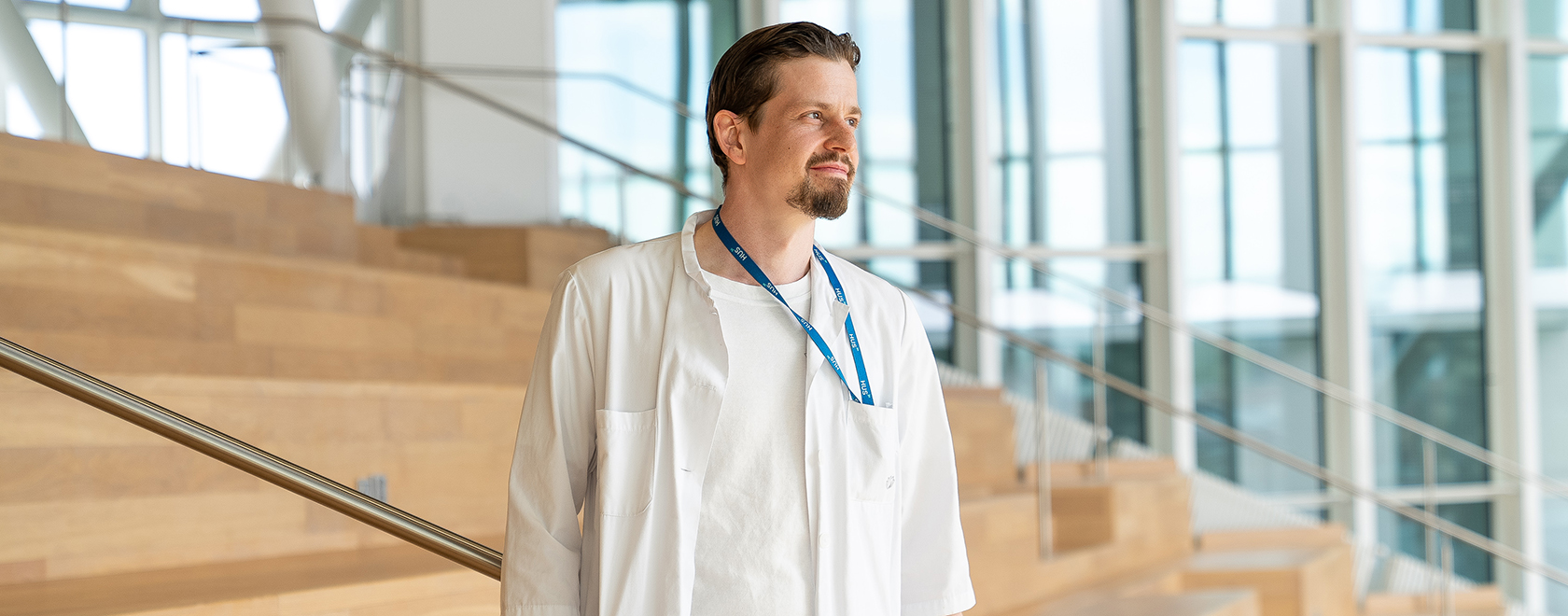
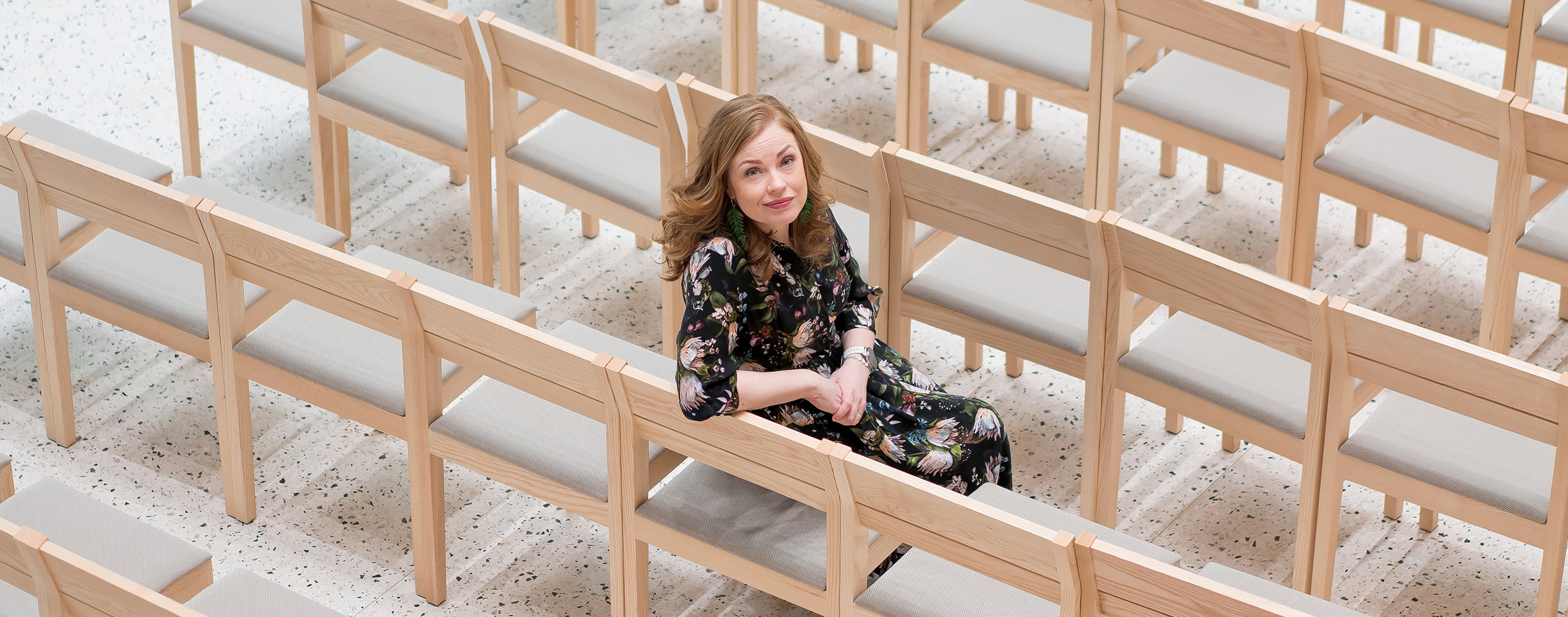
Specialist, Adjunct Professor Timo Carpén wants to treat his patients as comprehensively as possible. That’s why he enjoys working in palliative care, meaning caring for patients with serious and terminal illnesses.

“Palliative care work is very wide-ranging, and it entails tight-knit teamwork with nurses and other professionals as well as the patient’s next of kin. I consider it to be the heart of a physician’s work,” Carpén says.

Palliative care affects many of us both directly and indirectly: The World Health Organization (WHO) estimates that around 75 000 people in Finland need palliative care every year, and the number is on the rise. The recipients of palliative care include patients with, for example, cancer and lung, kidney, and heart diseases; and the care has been shown to improve the patient’s quality of life, reduce the use of hospital services at the end of life, and considerably ease the burden on the patient’s loved ones.

According to scientific research, palliative care is the more beneficial the earlier it begins. Now, Carpén is going to the Princess Margaret Cancer Centre in Toronto, Canada for a two-year fellowship period to study whether virtual symptom screening could be helpful in finding cancer patients with the most difficult symptoms and referring them to specialised palliative care efficiently and in a timely manner. The research compares virtual screening to the traditional route, which is a screening and evaluation by an oncologist.

Tied in with global phenomena

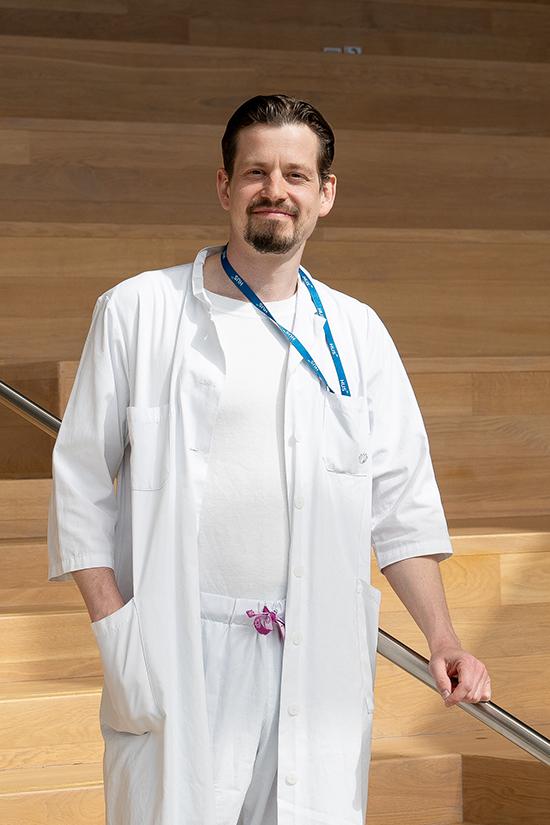
Mies valkoisessa lääkärintakissa seisoo portailla ja nojaa kaiteeseen.

The research group’s work is linked to various global trends. The population is ageing both in Finland and other industrialised countries, resources in healthcare are being fiercely debated, and the covid-19 pandemic accelerated digitalisation, including in healthcare.

Currently, the challenge in targeting palliative care is to identify those with the highest symptom burden and who would benefit from care the most in a vast group of patients. The term symptom burden, Carpén explains, refers to mental, social, psychological, and physical suffering, such as anxiety, pain, and nausea.

A study previously conducted in Toronto has indicated that a well-functioning screening can help find patient groups that benefit most from palliative contact. Carpén will participate in a research group led by Professor Camilla Zimmermann and the second phase of the study, investigating the effectiveness of a virtual symptom screening in a randomised controlled trial.

Carpén believes that as the properly targeted virtual screening produces real-time information about patients and helps identify patients with the highest symptom burden, the care pathways can be significantly sped up and the patients’ quality of life improved. As palliative contact has been found to reduce the use of costly hospital and emergency services, the pressure on healthcare resources is also eased.

The number of people needing palliative care will not be reducing in the future. Carpén points out that patients range from small children to the elderly, and the population is constantly ageing.

Aiming for efficiency

Although the pandemic gave digitalisation a boost, Carpén thinks that there’s still plenty of room for development when it comes to digital healthcare tools. However, their limitations need to be taken into account, too.

“That’s why they must be used mainly with the kinds of patients and fields in which they have already been proven useful and efficient. More scientific evidence of their use is also needed,” Carpén adds.

If the research results show that virtual screening works, digital symptom screening can be utilised better in the future – including in Finland. According to an assessment by WHO, in an international comparison Canada is at the top and well ahead of Finland in palliative care. Hence Carpén deems it important that research expertise and new insights can be brought to Finland from abroad in order to help develop and improve the level of palliative care in the country.

Right now, Carpén is supervising several PhD students in a Finnish research project, led by Professor Tiina Saarto, studying the implementation of end-of-life care for adults who have died of chronic life-limiting illnesses nationwide. When his two-year stint in Canada comes to an end, Carpén is planning to set up his own research group in Finland.

“Organising the best possible care for patients whilst trying to allocate limited resources correctly is a big task, and there are various challenges that need to be tackled,” he says. “However, I still view the way the future is headed in a very positive light.”

Doctor of Medicine, Adjunct Professor Timo Carpén received a grant from the Finnish foundations’ post doc pool in 2024 for postdoctoral research at the Princess Margaret Cancer Centre in Canada. In his research, he studies the effects of virtual symptom screening on early access to palliative care.

Translating words and ideas

In 2022, the Finnish Cultural Foundation launched a new form of support aimed at translating and bringing world literature to Finnish readers, especially from those original languages which are currently underrepresented in Finnish translations. 

Over the course of ten years, a total of EUR 1 million will be allocated, enabling the translation of one hundred high-quality contemporary books from around the world into Finnish. The translated works can include prose, poetry, or essays for adult readers.

For the years 2022 and 2023, the supported books’ original languages include Spanish, Dutch, Italian, Polish, French, and Estonian. One of the first books released was Olga Ravn’s Danish novel De Ansatte – The Employees in English and Alaiset in Finnish – translated by Sanna Manninen.

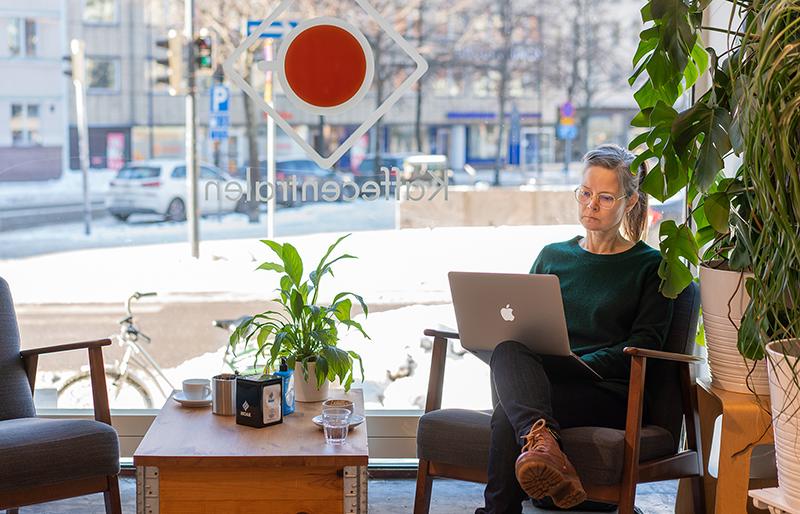
Nainen istuu kahvilan pöydän ääressä läppäri sylissään. Takana avautuu kaupunkinäkymä ikkunasta.

“As a translator, I am delighted that the Finnish Cultural Foundation has launched such a major project related to translating literature, especially from languages less translated into Finnish,” says Manninen.

At university Manninen studied general literature and later translation studies. After graduating she worked for a publishing house before becoming a freelance literary translator. Initially translating from Swedish to Finnish, she soon added Danish and Norwegian, which she learned in practice by reading books.

“Becoming a literary translator is a learning-by-doing process, but various courses and seminars for translators have also been very useful,” Manninen notes.

According to Manninen, the best part of being a Finnish translator is the chance to work with books. “Translating fiction into Finnish is also a very creative task, and as a profession, it offers great freedom.”

Most often, Manninen translates the books which publishing houses offer her. “In the Nordic countries, Finnish publishing houses have extensive contacts, but in many other language areas, more assistance is needed from translators in selecting books.”

Books translated from English dominate the market for translated literature in Finland. According to the Fennica database, in 2022, over half of the fiction translations published in Finland were from English, and just under a fifth were from Swedish. The remaining share comprises all the other languages in the world.

Manninen speculates that English translations are so common because the culture is familiar to Finns. Books translated from English might be easier to approach, therefore more are published. The same applies to Nordic books.

The less a language is known in Finland, the more important it is to translate works from that language into Finnish, she emphasises. Even if you know a foreign language well, entering the world of a literary work is entirely different when reading it in your own native language, interpreted by a skilled translator.

In addition to the Translating world literature into Finnish grants, the Finnish Cultural Foundation annually supports translators with regular grants. Manninen has received several grants from the Finnish Cultural Foundation for translating Nordic literature into Finnish.

The financial significance of a grant is big. “Money means time, and time means quality,” describes Manninen. Thanks to a grant there are more opportunities to refine the work, resulting in a better translation. A grant also encourages and motivates professional development.

Author Olga Ravn is known in Denmark especially as a poet. She has stated that she is not particularly interested in traditional forms of the novel. De Ansatte is a fragmentary, poetic text, not a traditional narrative novel. It features, for example, descriptions of strange, inanimate objects that appeal to all of the senses.

It was a fascinating challenge to translate. “It is really difficult to try to describe in Finnish unusual objects that do not exist in the real world.”

The work became easier when Manninen learned that the novel was based on texts Ravn wrote for an art exhibition catalogue, describing the exhibited works. Some of the objects described in the book had been on display at the exhibition, and pictures were available. This helped to find the right expressions.

De Ansatte is a critique of capitalism in the form of speculative fiction. It is a kind of existential sci-fi, describes Manninen, adding that the work may not necessarily reveal much about Denmark and the Danes but rather the thinking of one contemporary Danish author.

“That’s what translated literature is: it not only tells us what life is like in other countries but also how people think elsewhere.”

You can find the books published with our translation grant so far on our book gallery (in Finnish). 

Book Gallery

Black and White Success Story

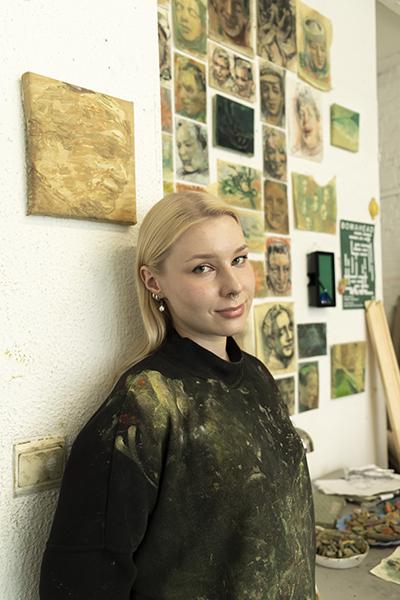
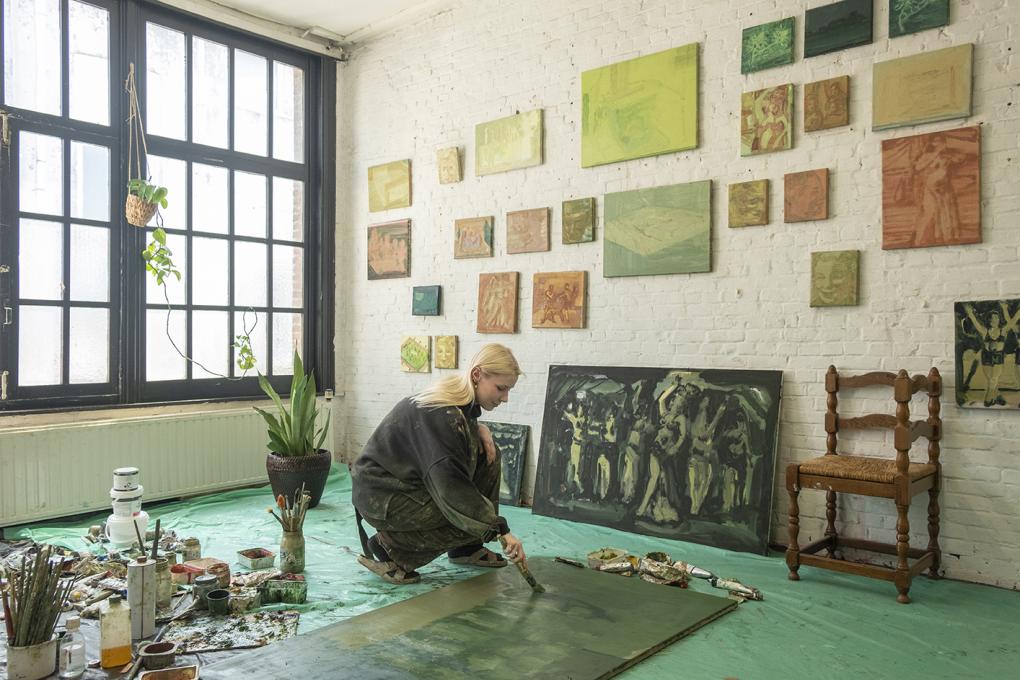
Debut author Ivanda Jansone‘s creative path has been full of incidents.

She felt a pull towards art already in her childhood, but the uncertainty associated with being an artist made her hesitate. Instead, she decided to be rational and study graphic design, and later furniture design, but the idea of making art never left her alone.

In 2018 by chance, Jansone took part in a comic course at the Aalto University’s open university, taught by the renowned artist Matti Hagelberg. The experience opened up a view to the world of comic art, and got Jansone back to drawing.

Then the pandemic struck, and Jansone was laid off from her graphic designer job.

“Getting fired crushed my ego, and everything came to a halt. I heard my own voice for the first time and understood who I am, and what I want. Comics were the only thing that interested me at that moment. I decided to focus on making art and see where the path takes me”, she says.

Captivating debut

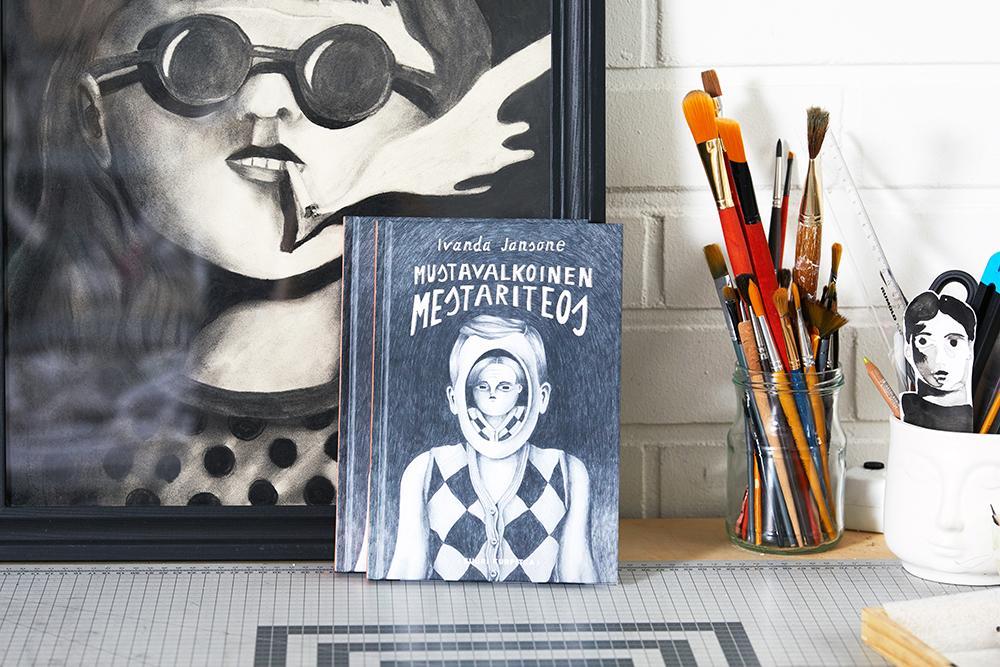
Jansone’s debut book, Mustavalkoinen mestariteos (Black and White Masterpiece), was released last year. The book got a raving review in the main Finnish newspaper, Helsingin Sanomat, which brought it to the public’s attention and made it one of the most reserved books in the library.

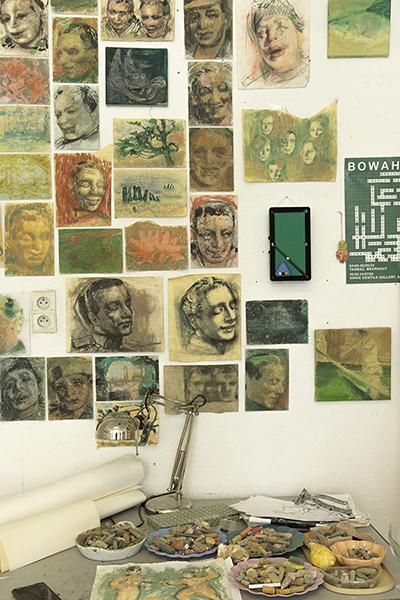
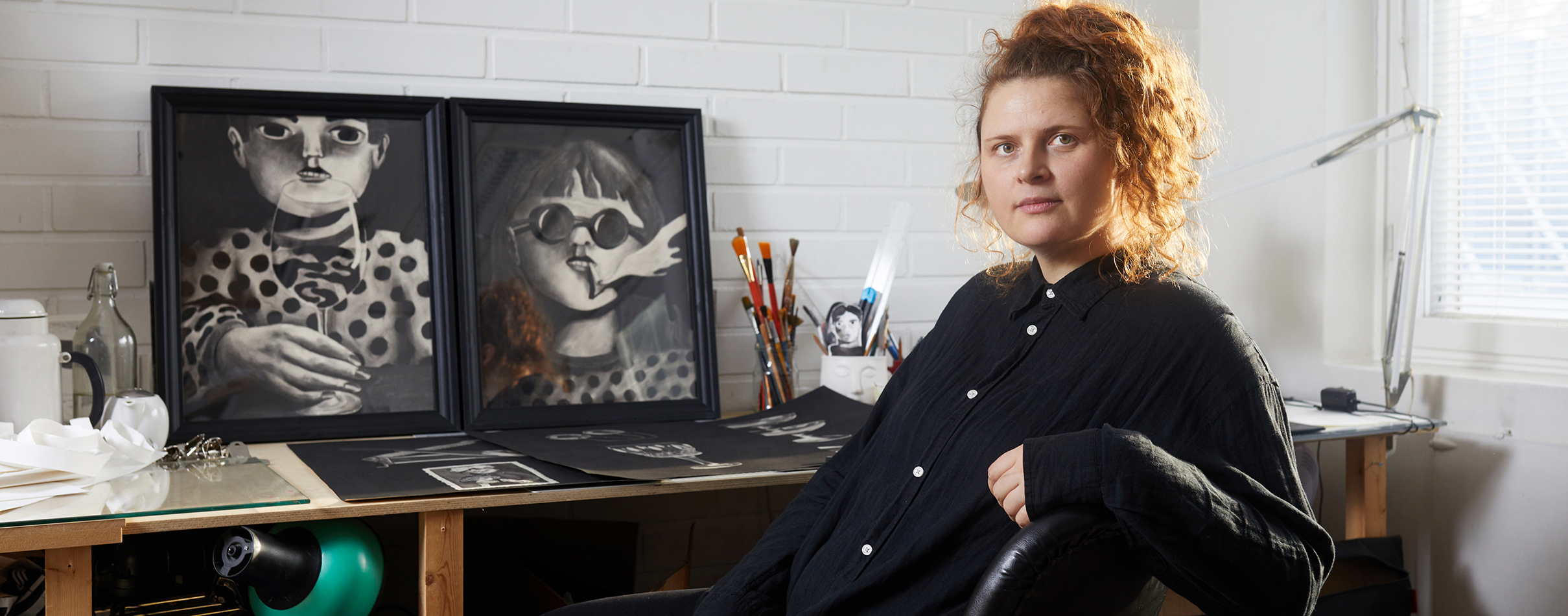
Taideteoksia ja kyniä pöydällä

It came as a complete surprise to Jansone.

“The work was very personal. It was about exploring myself, art, and new techniques. I didn’t expect or even think about getting reviews. The feedback felt nice though, and it gave me confidence in my work, and trust that I am on the right path”, she says.

The vibe in Jansone’s illustrations is surreal, a result of her playing with many levels of reality and observations. Wordless comics that rely solely on images are her favourites. She prefers leaving the story open in order to allow the reader participate in its narration.

“Working on comics requires a lot of planning, and I like planning. It is interesting to build an ambience and environment for a story out of nothing. I’m also interested in time. If a single image, painting, or a photograph captures a moment, in comics the moment is continuous”, Jansone says.

Residency brought back memories

Jansone, who moved from Latvia to Finland in 2008, has started working on her next comic book, which explores memories and secrets stemming from her childhood in the former Soviet Union.

Old Soviet-era objects, such as a vinyl player, animal masks made of paper mache, an orange jug, an old alarm clock, and a little Cheburashka toy, become images and stories in Jansone’s hands.

Last autumn, Jansone spent two months working at the NART residency in Narva, supported by the Finnish Cultural Foundation. The Estonian city is located a stone’s throw away from the Russian border, and it’s stagnant atmosphere suited the theme of her on-going project.

While in the residency, Jansone was expecting her first child, which helped bring back even more memories of her own childhood.

“The time I spent in Narva was very emotional. I turned inward because I felt the need to spend a lot of time by myself. It was wonderful to delve deep into the past and relive the memories of my childhood. Being in the old, quiet residency building in the evenings when all the doors were shut made me feel like I was in a movie set”, Jansone says.

New forms of comics

Jansone is currently on parental leave but new ideas for art and comics are already brewing in her mind. In the near future, Jansone plans to complete the book she started at the NART residency, and graduate from the Uniarts Helsinki’s Academy of Fine Arts with a master’s degree.

Printmaking, and especially gravure printing, is the next natural step for Jansone, who wants to bring her comics to a larger scale, and take them to new environments, such as gallery walls.

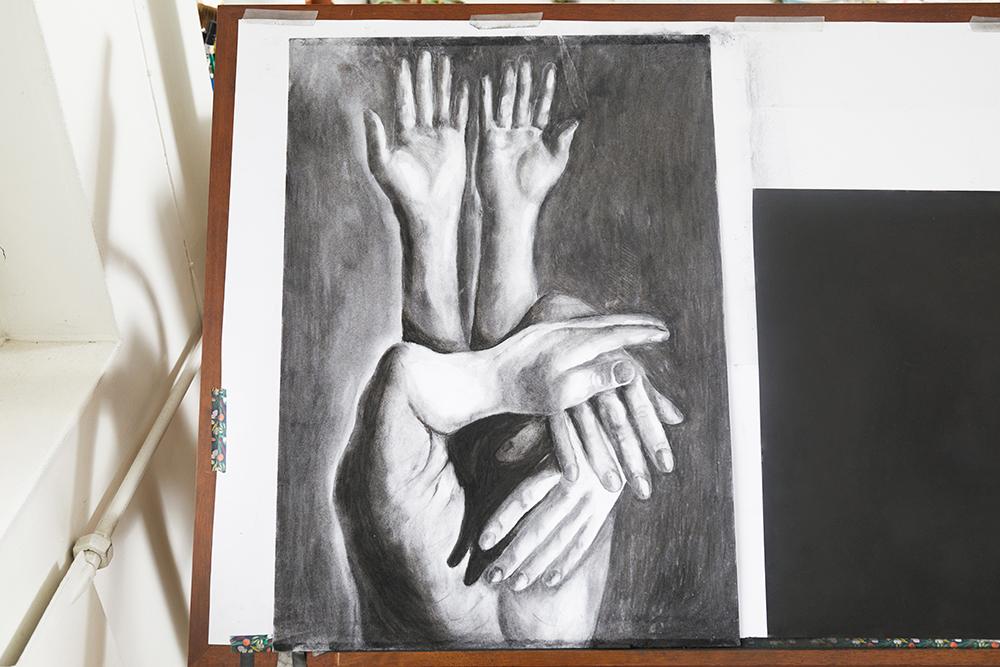
Mustavalkoinen surrealistinen piirustus käsistä
The vibe in Jansone’s illustrations is surreal, a result of her playing with many levels of reality and observations.

“There are many talented comic artists in Finland, and I wonder why comics remain at the subculture level, it can hard to even find them in bookstores. Also, comics can be more than books. I would like the interest in comics to start from a gallery”, she says.

Comic artist Ivanda Jansone received a residency grant in 2023. She worked for two months at NART Residency in Narva in the autumn of 2023.

The Voice of Contemporary Art

A soprano voice playing from a record player fills the space. The sound is a conflicting blend of self-examination and justification of a grave robber’s remorse and shame. It belongs to Confession Piece for Voice, a sound installation created by artist Jonna Kina in collaboration with composer Lauri Supponen. The artwork was exhibited at Helsinki Contemporary in 2021, and it is now part of the Museum of Contemporary Art Kiasma’s collections. 

Sound has always been the most important of all senses for Kina. She reflects on her works through sound even when they are silent.

“The capability of sound to directly affect our emotional register is ultimately a multisensory experience. That’s why sound is a natural element in visual arts, where silence is a typical characteristic of space. I am fascinated by how sound can operate on the boundaries of the emotional, intuitive, and conceptual, even the irrational”, Kina says.

Interpreter of new worlds

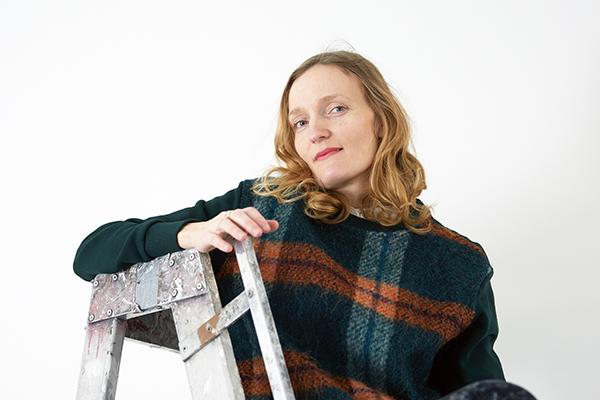
Nainen värikkäässä villapaidassa istuu puisten tikkaiden päällä.

Kina feels most comfortable on the edge of something new. As an artist, she observes her surroundings, and creates new worlds based on her interpretations. In addition to sound, Kina uses moving image, installation, photography, sculpture, and language in her works. Not everything can be verbalized thoughif it could, making art could become boring. 

Sometimes Kina’s works arise from a compelling need. She might be haunted by something that calls for her attention. This was the case with the exhibition series about the grave robbers.

The story begun in Mazzano Romano in 2017. Kina attended an artist residency in the small Italian village, where she found a jar belonging to the Faliscan culture in a local archaeological museum. The ancient, grave-robbed object captivated the artist, who returned to look and photograph the jar again and again.

The object eventually became part of a video piece titled Red Impasto Jar, a moving portrait of the jar placed on top of an industrial motor, which, as it spins, reveals the fragile essence of the jar to the viewer.

“The story of the jar is unknown but it was intended for the afterlife. I had to make a piece out of it to break free from its spell. The jar made me wonder if it is right to present a culture or a language one does not know, or if the museum has the right to present an object that belongs to another person’s memory”, Kina says.

Mobility opens new doors

Last autumn, Kina spent three months at the Fabrikken residency in Copenhagen funded by the Finnish Cultural Foundation. Kina, who earned a master’s degree from the Uniarts Helsinki’s Academy of Fine Arts, has also studied and worked in New York and Jerusalem. She says that the importance of mobility only comers clear when an opportunity to travel arises.

“A new environment activates the senses and generates new thoughts very differently from the familiar home environment. Through traveling comes a revelation that no one comes to Finland just passing by. Sometimes it can be long after the residency when I realize what I achieved, and how my work progressed”, she says. 

According to Kina, establishing international contacts is one of the most important aspects of an artist residency. In Copenhagen, she met curator Nadim Samman, who invited Kina to participate in a group exhibition at the KW Institute for Contemporary Art in Berlin this spring. Her piece Secret Words and Related Stories will be on display, and in March Kina will hold a reading performance.

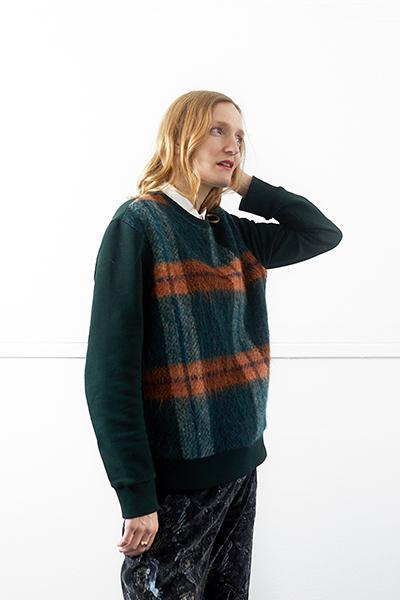
Nainen värikkäässä villapaidassa nojaa valkoiseen seinään.

Apart from meeting the curators, Kina finds exchanging ideas with fellow artists fascinating. During her time at Fabrikken, she was mentored by local contemporary artist Joachim Koester.

“Another artist understands the different stages of the process and work-related matters, such as materials and forms, at a microcosmic level. Exchanging technical advice is useful too”, she says.

Artistic Inventory

Last year, Kina’s career and personal life were full of meaningful events. She took part in three international museum exhibitions, a gallery exhibition, and also became a mother for the first time. After a busy period, Kina wants to take time to reflect her life, and to hold what she calls an artistic inventory.

“An artist is not a machine. I want to quiet down, and proceed slowly in order to have space for something new. Once in a while it’s important to get lost in order to suddenly find yourself in the middle of something interesting, and let it lead somewhere”, Kina says.

The current atmosphere has also led Kina to contemplate her work and art in relation to everything else. In a world filled with threats, the significance of art has become even more emphasized, she says.

“I want to remember to think of the good, and to approach things that touch me, but which the present society does not call for. Art is a channel through which all sorts of things can be addressed”, Kina concludes.

Artist Jonna Kina received a residency grant in 2023. She worked for three months at Fabrikken Residency in Denmark in the autumn of 2023.

Masculinity shaped by Lutheranism

“Now men are talking!” “Men need to be heard.” These are a couple of examples of headlines in the media from recent years. They summarise the need to start a discussion about Finnish men and the expectations, norms, and ideals attached to them in modern society.

A four-year project at the University of Eastern Finland, led by doctor of theology and university lecturer Sini Mikkola, is contributing to this conversation. The Finnish Cultural Foundation awarded the project a grant of 242 000 euros in 2024.

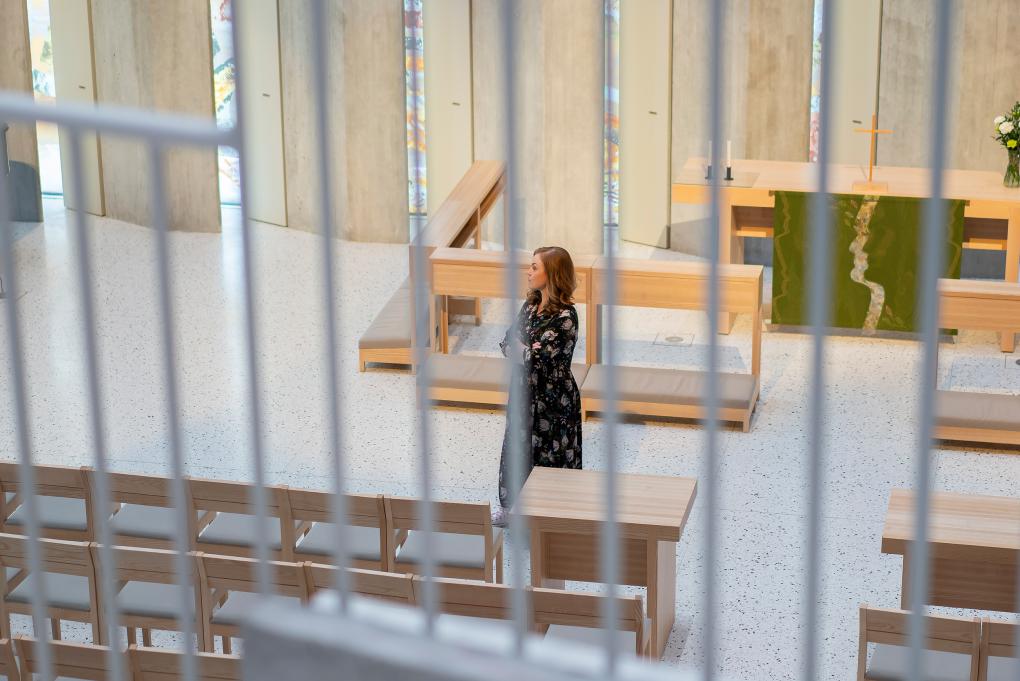
Nainen kuvattuna sälekaihtimien läpi, taustalla seurakuntasali ja saarnatuoli

“The aim of our project is to examine the Lutheran background of the ideals and norms of masculinity from the 16th century all the way to the first decades of the 1900s. We believe that the historically strong position of the Lutheran church and religion has been relevant in terms of the expectations attached to the male gender.”

Norms of masculinity from several centuries

The project studies the formation of the ideas of masculinity, starting with Martin Luther’s Germany and then moving on to Finland from the 17th to the 19th century.

“We look at the expectations that not only priests, professors, and politicians but also ‘ordinary’ people in less influential positions set for masculinity, how these expectations were met, and what the role of religion was in defining masculinity.”

Along with Mikkola, the project is carried out by PhD Miia Kuha, MTh Tapio Leinonen and DTh, BA Hanna Pöyry. They all cast light on the historical legacy of the Finnish perception of men.

“Manhood, masculinity, and the associated customs, beliefs, and norms aren’t born in a vacuum; they take a long time to form,” Mikkola notes. “That’s why they are worth studying from a historical perspective.”

The effect of Luther and his thoughts on vocation

Mikkola says that Lutheranism and the expectations linked to masculinity are strongly connected, even in everyday speech. The Lutheran work ethic is one example of this.

“It has shaped the Nordic and thus also Finnish norm of a man as a hard worker and uncompromising bearer of responsibility. The basis of the concept of work ethic lies in Luther’s idea of a worldly vocation. Luther was of the opinion that whatever a man’s profession was, the command and call to work came from God.”

Although the idea of a Protestant work ethic is originally from Max Weber, Mikkola notes that Luther’s understanding of vocation must have influenced the norms of masculinity associated with Nordic men.

“However, many normative ideas have roots even further back in history.”

The era of national romanticism valued strength

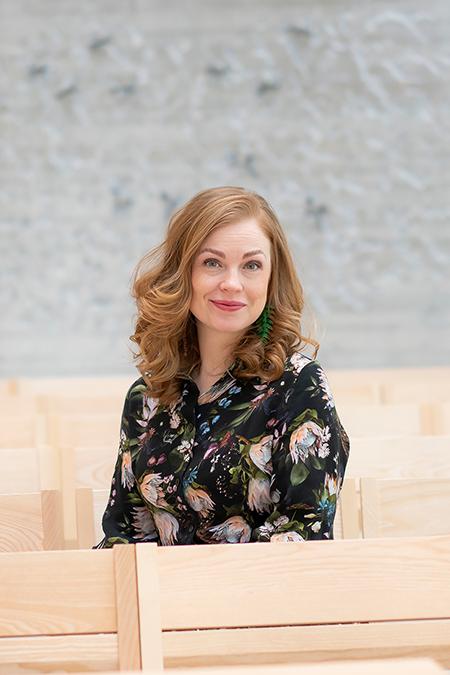
Nainen istuu puisessa penkissä ja katsoo kameraan. Taustalla harmaa kiviseinä.
According to Sini Mikkola, people grow into both manhood and womanhood in a similar way, by adjusting socially to the expectations of their environment.

According to the long-standing norms of masculinity, a decent man takes care of his family, thinks rationally, shows leadership, and is the head of his family.

“Of course, the extent to which these ideals have been realised in the lives of individual men is another matter. Ideals and reality rarely go hand in hand.”

During the period of national romanticism in the second half of the 19th century, the expectations and ideals attached to men were somewhat diversified in Finland, as Fennomania was rising its head in the Grand Duchy of Finland ruled by Russia.

“For example, in his poetry Zacharias Topelius highlighted a fit and healthy young man, simultaneously humble and God-fearing but also a strong and righteous defender of his home and mother. The opposite example was of a weak wimp hiding behind his mother, not deserving of respect.”

Demand for modern men’s studies

Throughout history, Mikkola says, man has been the absolute of humanity. When a man is considered a representative of humanity in general, the fact that his experiences and thoughts are also determined by his gender is often neglected.

“Men’s studies have examined this gender-blindness and begun to uncover the different kinds of norms related to masculinity, their producers, and the structures that maintain them.”

Men’s studies are becoming increasingly prevalent, but masculinity has been studied far less than femininity.

“I believe that the critical examination of masculinity and its norms is an act of equality, too. People grow into both manhood and womanhood in a similar way, by adjusting socially to the expectations of their environment.”

Turning to forest for water resistance

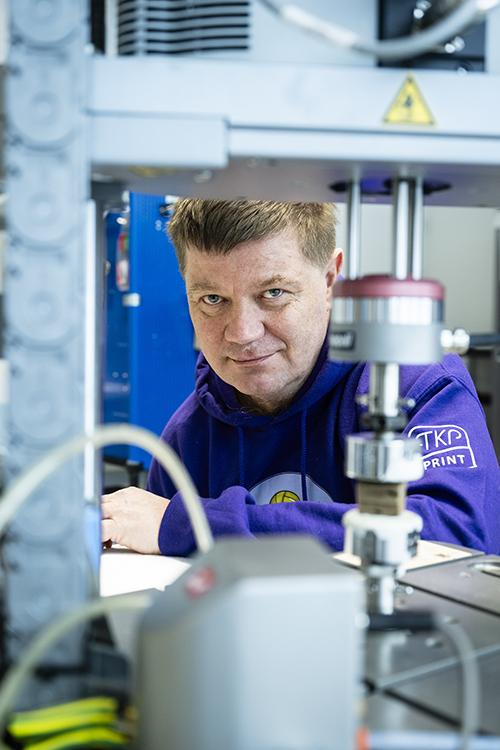
Mies kurkistaa laboratoriovälineiden takaa

All over the world, people are competing to find solutions to replace plastic products with wood-based alternatives.

As a material, plastic is functional, durable, practical, and cheap. The problem lies in the fact that plastic is made from crude oil, so it sustains our dependence on fossil fuels.

“There is an immense amount of wood in Finland, and it could be processed further than just into paper and cardboard,” says Mikko Alava, professor of physics at Aalto University.

When it comes to water resistance, wood pales in comparison with plastic. Anyone who’s ever used disposable tableware outdoors has noticed how wood-based plates and cups get wet.

A thin plastic coating has to be added to paper coffee cups, resulting in the material no longer being fossil-free; and even then, a paper cup will eventually get soggy.

Thus, the key question is to develop a water-resistant wood-based material to replace plastic. Alava and his colleagues aim to find a solution with the help of lignin.

Lignin constitutes 30% of the mass of wood, and it’s a polymer, a bundle composed of small molecules. Lignin is formed by the coupling of three phenylpropane units, and its structure varies individually.

Lignin is easily available; initially, lignin comprises up to a half of the black liquor of a pulp digester. However, in terms of paper and cardboard, lignin is a harmful substance. In pulp manufacturing, it is discarded, and eventually it will be burnt to generate energy.

“In the future, lignin might be more valuable as an alternative for plastic than as fuel.”

AI to the rescue

Lignin is water-repellent. It forms vascular tissue in trees and other vascular plants, enabling the conduction of water and thus sustaining the life of the plant.

With the help of lignin, a tree can control its water transportation and doesn’t get soaked. This means that in order to replace plastic with wood-based materials, lignin must be organised as neatly as it is within wood.

“Our goal is to break down the wood and then rebuild it. The fibres are used to make foam, and lignin is added to this foam to make it water-resistant.”

On a general level, the recipe is simple: make foam out of cellulose fibres, then throw in lignin, stir and mix, and let dry – and you’ll have an alternative for plastic.

Alava and his colleagues, researchers Juha Koivisto and Tero Mäkinen and two graduate students are still unsure as to what the best structure for this wood-based material is and what process should be used to produce it in a way that makes the material water-repellent. They are trying different kinds of mixing ratios and mixing and heating methods, then testing the properties of the material.

There are endless opportunities, so they’ve turned to artificial intelligence for help.

“We can give artificial intelligence all the information we have gathered so far and ask what should or shouldn’t be tried next. This way, we can skip 90% of the tests and just conduct the ones artificial intelligence deems relevant,” Alava says.

A successful yet soggy substitute

The idea of a water-repellent wood product is a successor to Foamwood, a process that Alava and his group created to make lightweight and solid foam from forest materials as a substitute for expanded polystyrene. 

The foam isn’t water-resistant, but it’s been useful in dry environments, such as replacing bubble wrap in parcels. Startup company Woamy is looking to turn it into a commercial success.

“Being able to send products without plastic is a competitive advantage for various companies,” says Alava.

Packaging for ready meals and restaurants

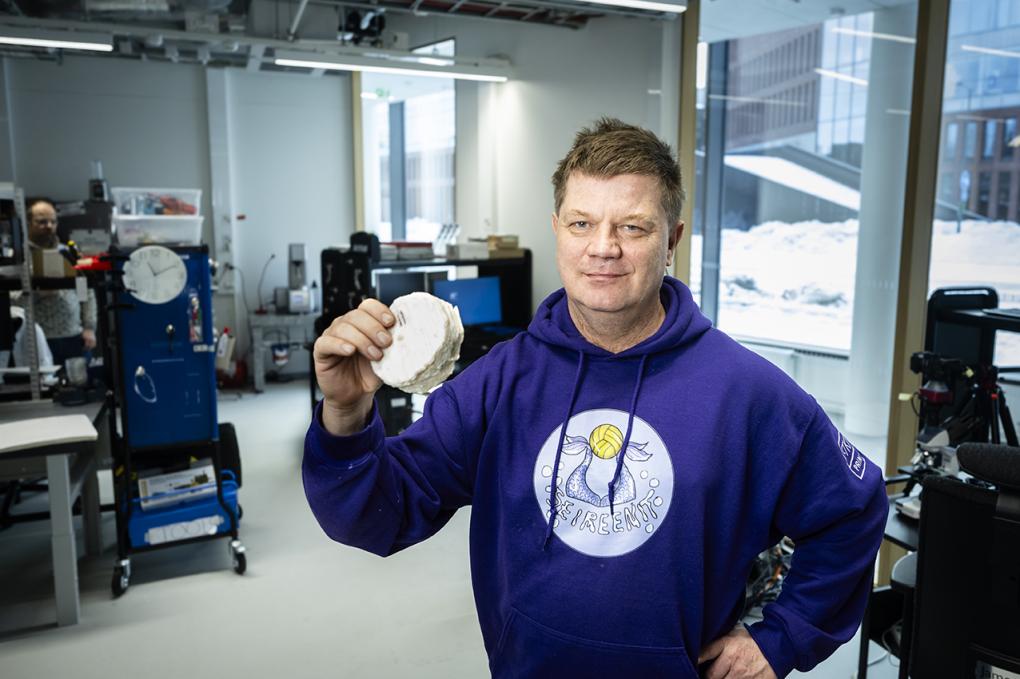
Mies seisoo laboratoriossa valkoinen kiekko kädessään.
The research of Mikko Alava and his team is expected to result in wood-based packaging material for snacks and restaurant food.

Alava is confident that his team will find a recipe for a water-resistant alternative for plastic.

“Our efforts will probably succeed, and we’ll also come up with something unexpected, as is often the case in research.”

Sometimes an invention can also turn a profit, but this remains to be seen.

Alava and his colleagues aren’t looking for a perfect solution. When each and every lignin molecule is different, it can be difficult or even impossible to develop an industrial process for products that are expected to remain 100% waterproof for decades. Hence, we’re unlikely to see a wood-based Styrofoam in frost insulation; a wood-based packaging material for ready meals and restaurants is a much more likely outcome.

“As long as the product is water-resistant enough and easy to recycle after use, it’s good,” Alava concludes.