Freedom of Research Has Declined in Finland – The Parliamentary Elections Will Shape Its Future
A broad coalition of organizations across the research community are calling on political parties and candidates to explain how they will safeguard the conditions for freedom and independence of research.
Finland’s position as a leading country in freedom of research and academic freedom has weakened. Researchers face more harassment and online bullying than before, and the political and economic influence over research has strengthened. At the same time, the ecological crisis and other security threats, economic uncertainty and disinformation are increasing the need for independent, evidence-based knowledge.
In Finland’s Parliamentary Elections in spring 2027, voters will choose decision-makers who determine the conditions under which research and new scientific knowledge will be created. Voters have the right to demand clear answers from candidates: How will they defend the freedom and independence of research and researchers? How will they secure long-term funding for research and strengthen the role of research-based knowledge in decision-making?
A broad coalition of organizations from across the research and science community will bring these questions into the election debate through the Freedom to Research campaign.
The campaign highlights the importance of safeguarding freedom of research and ensuring adequate resources for research in an era marked by multiple, overlapping crises.
The 2027 Parliamentary Elections – A Possibility to Set the Course
The coming electoral term presents a clear choice: do we strengthen the conditions for free and independent research, or do we allow them to erode further?
Jari Ojala”It is important that in the Finnish society, we broadly recognize the key role of independent, long-term research for societal development, stability and democracy.”
“It is important that in the Finnish society, we broadly recognize the key role of independent, long-term research for societal development, stability and democracy. Together, we must strengthen freedom of research and actively counter developments that threaten it,” says Rector Jari Ojala, Chair of Unifi.
Freedom of research is guaranteed by the Constitution of Finland. Research is guided by ethical principles, peer review and good scientific practice. The entire research community, together with every individual researcher, shares responsibility for upholding high standards of research integrity.
Free and Independent Research Opens New Horizons
When freedom of research and sufficient resources are guaranteed, significant breakthroughs emerge, from renewable energy solutions to research that transforms mental healthcare. In this way, research renews and strengthens society, the economy, security and people’s everyday lives.
Research is characterized by openness, critical debate and a self-correcting nature. Knowledge is refined, and accumulates and develops over time, deepening our understanding. Research findings are published and increasingly made openly available so that society can benefit from them as widely as possible.
Antti Pajala“Free and independent research is not a privilege of the research community; it is a safeguard for the society as a whole.”
“At the heart of research lies the intellectual freedom of researchers to determine what is worth studying, how research should be conducted and how its results should be communicated. The same freedom extends to teaching and pedagogical choices. Such freedom carries great responsibility, which researchers take seriously. It is therefore worrying that a growing number of researchers face pressure, threats and targeted harassment. Free and independent research is not a privilege of the research community; it is a safeguard for the society as a whole. Only independent research can generate new knowledge, expose shortcomings and support better decision-making,” says Antti Pajala, Chair of the Finnish Union of Research Professionals.
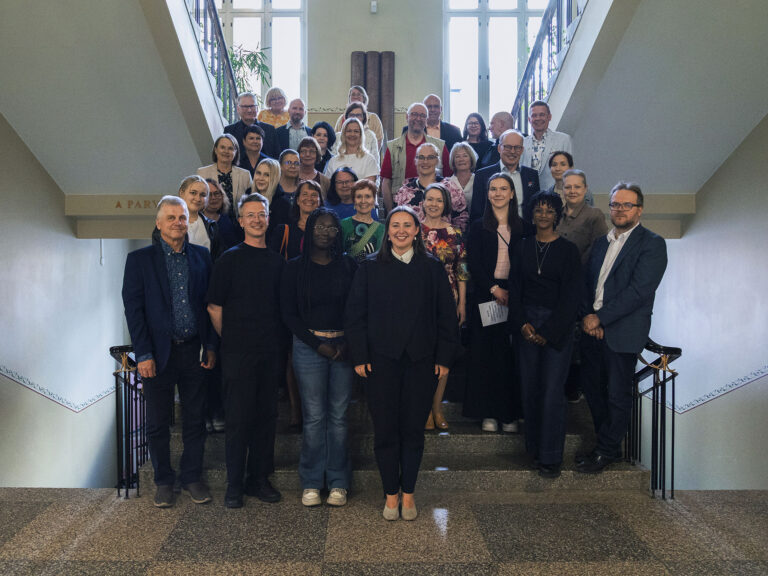
Freedom to Research campaign is backed by a broad coalition of organizations from across the research community: Maj ja Tor Nesslingin säätiö, Nuorten Tiedeakatemia, Professoriliitto, Sivistysala ry Sivista, Suomalaisen Kirjallisuuden Seura (SKS), Suomen Kulttuurirahasto, Suomen kulttuuri- ja tiedeinstituutit ry, Suomen Tiedeseura, Suomen yliopistojen rehtorineuvosto UNIFI ry, Svenska litteratursällskapet i Finland, Svenska tekniska vetenskapsakademien i Finland, Säätiöt ja rahastot ry, Tieteellisten seurain valtuuskunta ja Tieteentekijät.
Throughout the autumn and winter, the campaign will be visible in the communications of participating organizations and in their meetings with policymakers.